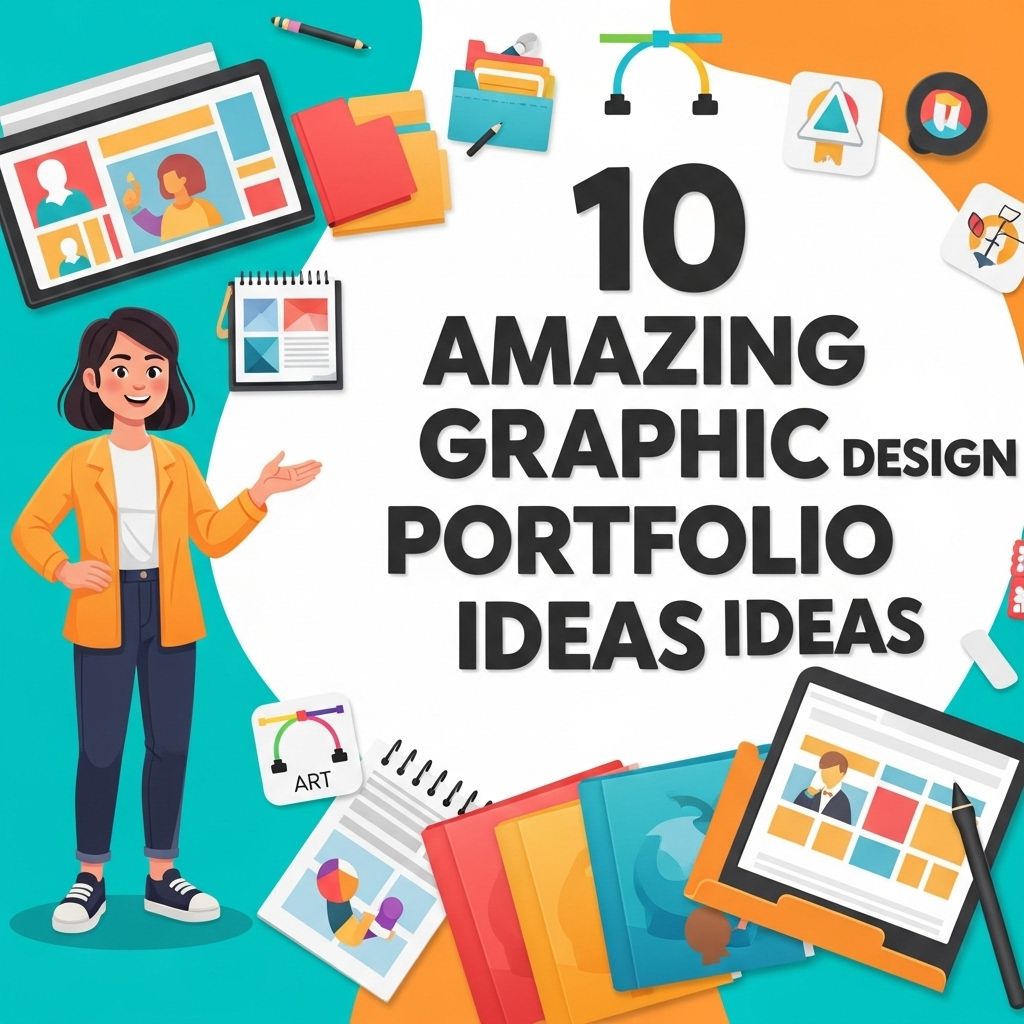
In today’s visually driven world, having a compelling graphic design portfolio is crucial for showcasing your talent and attracting potential clients or employers. A well-crafted portfolio can set you apart, allowing your creativity and skills to shine. This article explores ten innovative ideas to elevate your graphic design portfolio, ensuring it stands out in a crowded marketplace.
Creating an engaging graphic design portfolio is essential for showcasing your talent and attracting potential clients. From innovative layouts to unique project presentations, there are countless ways to stand out in this competitive field. For logo design, consider incorporating diverse styles, such as using vector logo templates to enhance your visual storytelling.
Table of Contents
1. Themed Portfolio Presentation
Consider creating a portfolio around a specific theme that reflects your personality or design style. This approach helps maintain cohesion and creates a memorable experience for viewers. Here are a few ideas:
- Minimalism: Focus on clean lines and whitespace.
- Retro: Use vintage colors and typography.
- Nature-inspired: Incorporate organic shapes and earthy tones.
2. Interactive PDF Portfolio
In the digital age, static PDFs are becoming obsolete. An interactive PDF allows potential clients to engage with your work. Features to include:
- Clickable thumbnails that lead to full project views.
- Embedded videos showcasing your design process.
- Animated transitions between pages.
3. Case Study Approach
Instead of just displaying completed works, delve into the design process behind a few select projects. Outline the challenges, your approach, and the results. This helps potential clients understand your thought process and problem-solving capabilities.
Components of a Case Study
- Challenge: Briefly explain the project’s context and requirements.
- Research: Describe your research methods and inspirations.
- Process: Show sketches and iterations that led to the final design.
- Outcome: Share results, client feedback, or metrics if available.
4. Incorporate Testimonials
Including testimonials from past clients can add credibility to your portfolio. Consider showcasing:
| Client | Project | Testimonial |
|---|---|---|
| ABC Corp | Brand Redesign | “Their creative approach transformed our brand image!” |
| XYZ Agency | Website Overhaul | “A true professional with an eye for detail.” |
5. Personal Branding
Your portfolio is an extension of your personal brand. Ensure that your design choices, colors, and typography align with your overall branding strategy. This includes:
- Creating a unique logo.
- Designing custom business cards.
- Using a consistent color palette throughout your portfolio.
6. Diverse Project Showcase
Demonstrating versatility can be appealing to potential clients. Include a variety of projects that show your skills in different areas, such as:
- Logos and branding
- Web and mobile design
- Print materials (brochures, posters)
- Illustrations
7. Use of High-Quality Images
The quality of images in your portfolio can make or break your presentation. Always opt for high-resolution images and consider:
- Using mockups to showcase designs in real-world contexts.
- Editing images to maintain consistency in brightness and contrast.
- Including before-and-after comparisons for redesigns.
8. Online Portfolio with a Personal Touch
While websites are standard for portfolios, adding personal touches can enhance engagement. Consider adding:
- A personalized “About Me” section with a story or anecdote.
- Blog posts about design trends or insights.
- Links to your social media profiles or design communities.
9. Video Portfolio
A video portfolio can be a dynamic way to present your work. Create a short video that includes:
- Clips of your design process.
- Final project showcases with voiceover explanations.
- Highlights of your best work set to music.
Tips for Creating a Video Portfolio
- Keep it under 2 minutes to maintain viewer interest.
- Use engaging visuals and high-quality audio.
- Add captions for accessibility.
10. Regular Updates
Your portfolio should evolve as you grow in your career. Regularly update it with new projects, skills, and experiences to reflect your current capabilities. Set a schedule, perhaps every few months, to review and refresh your portfolio:
- Remove outdated work.
- Add new projects or skills learned.
- Seek feedback from peers or mentors.
In conclusion, a graphic design portfolio is not just a collection of your work; it’s a reflection of your creativity, personality, and professional journey. Implementing these ideas will help create a standout portfolio that captures the attention of potential clients and employers alike. Remember to keep it updated and aligned with your personal brand as you continue to grow in the field of graphic design.
FAQ
What are some unique graphic design portfolio ideas?
Consider showcasing your work through interactive websites, themed portfolios, or even physical portfolios that include printed pieces. You could also create case studies that highlight your design process.
How can I make my graphic design portfolio stand out?
To stand out, focus on a cohesive design style, include a variety of work types, and tell a story with each project. Personal branding and a memorable layout can also elevate your portfolio.
Should I include personal projects in my graphic design portfolio?
Yes, including personal projects can demonstrate your creativity and passion. They also show potential clients or employers your unique style and interests outside of commissioned work.
What types of work should I include in my graphic design portfolio?
Include a diverse range of work such as branding projects, digital illustrations, web design, and print materials. Highlight your best and most relevant pieces for the job you’re targeting.
How often should I update my graphic design portfolio?
It’s best to update your portfolio regularly, ideally every few months, to include new work and remove outdated pieces. Keeping your portfolio fresh reflects your current skills and interests.
Is it important to have an online graphic design portfolio?
Absolutely! An online portfolio increases your visibility and accessibility to potential clients and employers. It allows you to showcase your work to a global audience and can be easily shared.