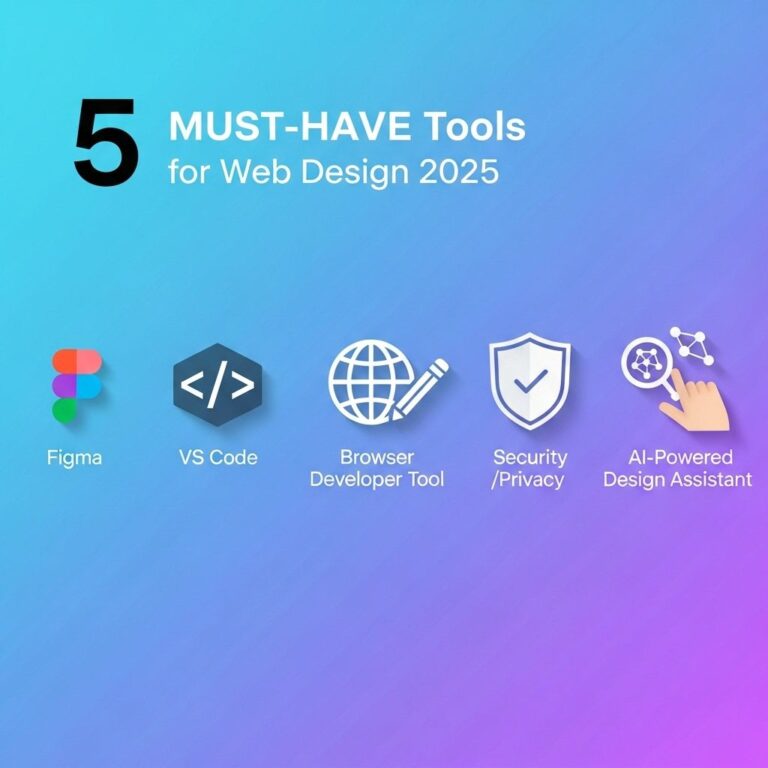
As we venture into 2025, the digital landscape continues to evolve at an unprecedented pace. Web design, being at the forefront of this evolution, demands innovation and adaptability. Designers must focus on creating immersive experiences that captivate users while ensuring functionality and accessibility. This article explores essential strategies and trends that can elevate your web design, making it stand out in an increasingly competitive online environment.
Table of Contents
Understanding User Experience (UX)
At the core of effective web design is the understanding of user experience (UX). A positive UX ensures that visitors find your website easy to navigate, visually appealing, and rewarding. Here are some key principles to enhance UX:
1. User-Centric Design
Structure your design around your users’ needs. Conduct user research to gather insights about their preferences and behaviors. Consider implementing:
- Surveys and feedback forms
- User testing sessions
- Analytics to track user interactions
2. Clear Navigation
Navigation should be intuitive. Use clear labels, a logical structure, and a well-placed menu. Tools like breadcrumbs and sticky menus can further enhance navigation ease.
Incorporating Modern Design Trends
Staying updated with the latest design trends is crucial for keeping your website fresh and engaging. In 2025, the following trends are expected to dominate:
1. Dark Mode
With the popularity of dark mode options in operating systems, integrating a dark theme into your design can enhance the user experience while reducing eye strain.
2. Minimalism
Less is often more. Use ample white space, clean lines, and simple typography to create an elegant design that focuses on content.
3. 3D Elements and Animation
Incorporating 3D graphics and subtle animations can create a dynamic and engaging user experience. Ensure these elements enhance rather than distract from the core message.
Responsive and Mobile-First Design
With mobile devices accounting for a significant portion of web traffic, a mobile-first approach is essential. Consider the following:
- Design for mobile screens first and then scale up for larger devices.
- Utilize flexible grids and layouts that adapt to various screen sizes.
- Optimize image sizes to improve loading times on mobile devices.
Prioritizing Performance Optimization
A slow-loading website can lead to high bounce rates. Focusing on performance optimization is crucial:
1. Image Optimization
Images often take up the majority of a webpage’s load time. Use formats like WebP for smaller file sizes without sacrificing quality. Consider lazy loading images as users scroll.
2. Minify Code
Reducing the size of your CSS, JavaScript, and HTML files can significantly improve load times. Consider using tools like:
- UglifyJS for JavaScript
- CSSNano for CSS
- HTMLMinifier for HTML
3. Efficient Hosting Solutions
Selecting a reliable hosting service can dramatically impact your website’s performance. Look for features such as:
| Feature | Importance |
|---|---|
| Uptime Guarantee | Ensures your site is always accessible |
| Content Delivery Network (CDN) | Reduces load times by distributing the content globally |
| Scalability Options | Accommodates traffic spikes without performance loss |
Accessibility Considerations
Designing with accessibility in mind ensures that all users, including those with disabilities, can interact with your website. Key considerations include:
- Use semantic HTML to provide context for screen readers.
- Ensure sufficient color contrast for readability.
- Provide alternative text for images.
Leveraging SEO Best Practices
To make your website discoverable, it’s essential to integrate SEO best practices into your design and content strategy:
1. Keyword Research
Identify keywords relevant to your audience and incorporate them naturally into your content.
2. Meta Tags and Descriptions
Each page should have unique meta titles and descriptions to improve click-through rates from search engine results.
3. Structured Data
Implement schema markup to help search engines understand your content better, enhancing your visibility in search results.
Continuous Testing and Iteration
The web design process is never truly finished. Continuously test and iterate based on user feedback and data analytics. A/B testing can be particularly useful for determining what design elements resonate with your audience.
1. Monitor User Behavior
Tools such as Google Analytics or Hotjar can provide insights into how users interact with your site, allowing you to make data-driven design choices.
2. Collect Feedback Regularly
Implement feedback forms and surveys to gather user opinions on their experience, and actively use this information to improve your design.
In conclusion, elevating your web design in 2025 requires a multifaceted approach that combines user-centric principles, modern trends, performance optimization, and continuous improvement. By focusing on these key areas, you can create a website that not only looks great but also delivers an exceptional user experience, ultimately driving engagement and conversions.
FAQ
What are the top web design trends to follow in 2025?
In 2025, expect to see a focus on minimalistic designs, dark mode options, and immersive experiences using augmented reality (AR) and virtual reality (VR) technologies.
How can I enhance user experience in my web design for 2025?
To enhance user experience, prioritize responsive design, fast loading times, and intuitive navigation. Incorporating AI-driven personalization can also significantly improve user engagement.
What role does mobile optimization play in web design for 2025?
Mobile optimization is crucial in 2025 as more users access websites via smartphones. Ensure your web design is mobile-friendly by utilizing adaptive layouts and touch-friendly interfaces.
How can I incorporate sustainability into my web design in 2025?
To incorporate sustainability, consider using eco-friendly hosting services, optimizing for energy efficiency, and utilizing design elements that minimize resource consumption.
What tools should I use for web design in 2025?
In 2025, tools like Figma, Adobe XD, and Webflow will remain popular for creating responsive designs, while AI tools for content generation and design assistance will become increasingly valuable.
How important is accessibility in web design for 2025?
Accessibility will be paramount in 2025. Implementing inclusive design principles ensures that all users, regardless of ability, can navigate and interact with your website effectively.