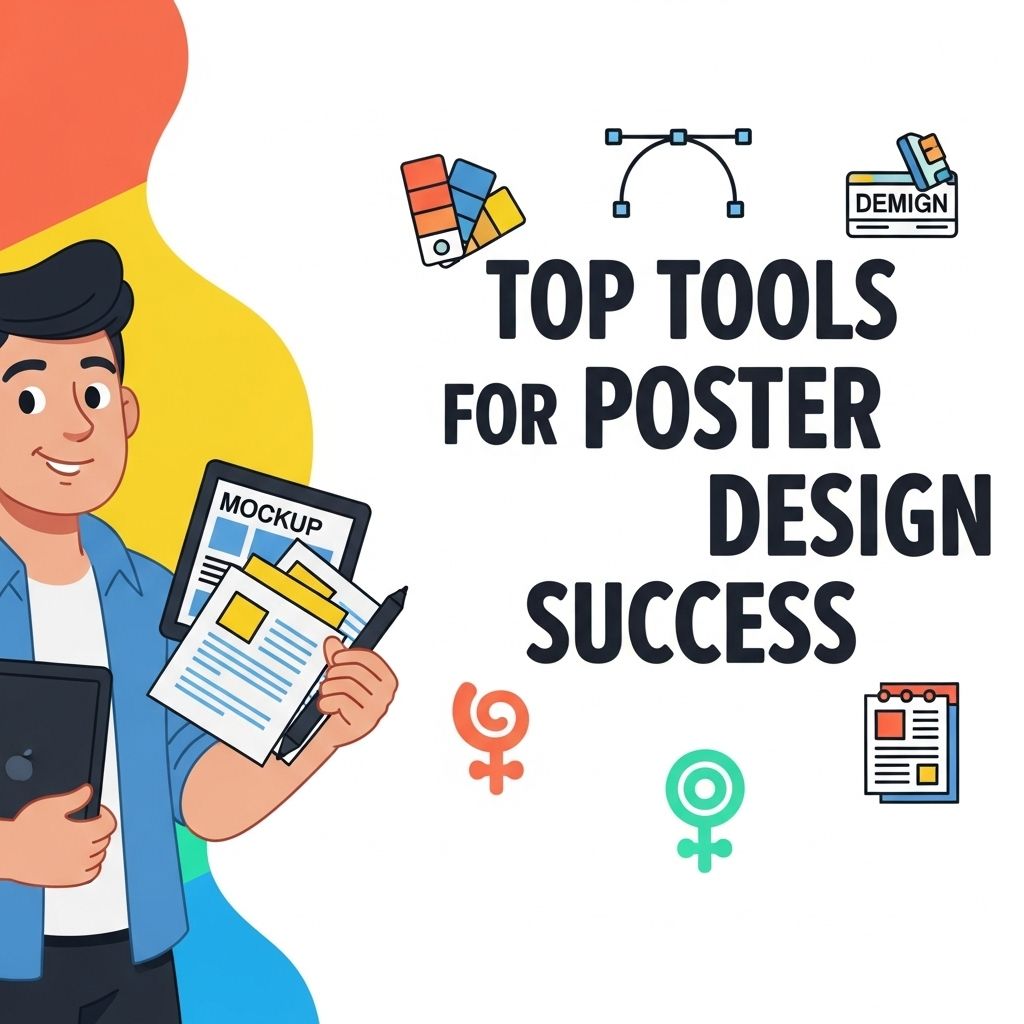
Creating visually appealing posters is an essential skill in various fields, from marketing to education. With the rise of digital tools, designing eye-catching posters has never been easier. This article explores some of the most effective tools available for poster design, catering to both beginners and seasoned professionals. Whether you’re promoting an event, launching a product, or simply expressing your creativity, these tools will help you achieve stunning results.
Creating an eye-catching poster is essential for effectively conveying your message and grabbing attention. To help you achieve design success, exploring various tools can streamline your creative process. Check out these top resources for poster design: poster design resources.
Table of Contents
Choosing the Right Poster Design Tool
When selecting a tool for poster design, consider factors such as ease of use, available features, and your specific design needs. Here are some key features to look for:
- User-Friendly Interface: A tool should be intuitive, allowing users to navigate easily without a steep learning curve.
- Template Availability: Look for tools that offer a variety of templates to jump-start your design.
- Customization Options: The ability to customize colors, fonts, and layouts is crucial for creating unique designs.
- Export Options: Ensure the tool allows you to save your work in different formats suitable for printing and digital sharing.
- Collaboration Features: If you work in teams, choose tools that facilitate collaboration and feedback.
Popular Poster Design Tools
1. Canva
Canva is one of the most popular graphic design tools available today. Its drag-and-drop functionality, extensive library of templates, and user-friendly interface make it an excellent choice for poster design.
Key Features:
- Vast library of free and premium templates.
- Access to millions of stock photos, illustrations, and icons.
- Built-in collaboration tools for team projects.
- Ability to create animated posters and videos.
2. Adobe Spark
Adobe Spark is a powerful tool from Adobe that enables users to create stunning graphics, web pages, and videos. It is particularly well-suited for poster design thanks to its professional-quality features.
Key Features:
- Integration with Adobe Creative Cloud.
- Customizable themes and styles.
- Access to Adobe’s library of design assets.
- Easy sharing options across social media platforms.
3. Piktochart
Piktochart is primarily known for infographics but is also an excellent tool for poster design. Its focus on data visualization makes it ideal for creating informative and engaging posters.
Key Features:
- Simple drag-and-drop editor.
- Customizable templates with a focus on data presentation.
- Ability to integrate charts and graphs easily.
- Export options for high-resolution printing.
4. Crello
Crello is a graphic design tool that offers a similar interface to Canva but with its unique features. It stands out for its animated designs, which can add an eye-catching element to your posters.
Key Features:
- Over 30,000 templates to choose from.
- Animation features for dynamic poster designs.
- A library of stock photos and videos.
- Flexible design options for different platforms.
5. Visme
Visme is a versatile tool that combines presentation and infographic capabilities with poster design features. It is particularly useful for educational and business environments.
Key Features:
- Interactive content creation.
- Wide variety of templates for different industries.
- Customizable charts and data widgets.
- Collaboration features for team projects.
Getting Started with Poster Design
Once you’ve selected a tool, it’s time to outline your poster project. Here are some steps to guide you through the process:
- Define Your Purpose: Understand the message you want to convey and identify your target audience.
- Research and Inspiration: Look for design inspiration by exploring existing posters, color schemes, and typography.
- Draft a Layout: Sketch a rough layout of your poster, including where text and images will be placed.
- Select Your Tool: Choose one of the tools mentioned above that best fits your needs.
- Create Your Design: Use templates and design elements to bring your ideas to life.
- Review and Edit: Make necessary adjustments, such as correcting typos and ensuring design consistency.
- Export and Share: Save your design in the appropriate format and share it with your audience.
Design Principles for Effective Posters
To create a successful poster, adhere to these design principles:
1. Contrast
Utilizing contrast helps to draw attention to important elements. This can be achieved through color choice, font size, and imagery.
2. Hierarchy
Establish a visual hierarchy by arranging elements in order of importance, ensuring that the most critical information stands out.
3. Alignment
Maintain proper alignment to create a cohesive and organized layout. This enhances readability and overall aesthetics.
4. Balance
Balance the elements of your poster, distributing visual weight evenly to avoid clutter and confusion.
5. White Space
Incorporating white space gives your design breathing room, making it easier for viewers to focus on the essential information.
Common Mistakes to Avoid
Even experienced designers can make mistakes. Here are some common pitfalls to avoid:
1. Overcrowding
A cluttered poster can overwhelm viewers. Aim for simplicity and clarity by limiting text and images.
2. Poor Color Choices
Using too many colors can be distracting. Stick to a cohesive color palette that aligns with your message.
3. Ignoring Typography
Fonts can significantly impact your design. Ensure font choices are legible and appropriate for your audience.
4. Neglecting the Target Audience
Always consider who your poster is for. Tailor your design to resonate with your intended audience.
Final Thoughts
Designing an effective poster combines creativity, strategy, and the right tools. With the various tools available today, anyone can become proficient in poster design. By following design principles and avoiding common mistakes, you can create stunning posters that effectively communicate your message. Whether you’re a novice or a professional, the right approach and tools will set you on the path to poster design success.
FAQ
What are the best tools for poster design?
Some of the best tools for poster design include Adobe Illustrator, Canva, Affinity Designer, and PosterMyWall, each offering unique features for creating stunning visuals.
Is Canva a good choice for poster design?
Yes, Canva is a popular choice for poster design due to its user-friendly interface, vast library of templates, and easy drag-and-drop functionality.
Can I create posters for free?
Yes, there are several free tools available for poster design, such as Canva, Crello, and Adobe Spark, which provide a variety of templates and design elements at no cost.
What features should I look for in poster design software?
When choosing poster design software, look for features like customizable templates, high-resolution export options, vector graphics support, and a user-friendly interface.
How important is color theory in poster design?
Color theory is crucial in poster design as it influences mood, readability, and overall aesthetic appeal, helping to convey the intended message effectively.
Can I use stock images in my poster design?
Absolutely! Using stock images can enhance your poster design. Just ensure you have the appropriate licenses for any images you choose to include.