As we advance into 2025, the world of design and marketing continues to evolve, with color psychology playing a pivotal role in influencing consumer behavior. Understanding how colors impact emotions and perceptions can be a powerful tool for businesses, marketers, and designers alike. This article explores the principles of color psychology, its applications in various fields, and practical tips for leveraging color effectively.
As we approach 2025, mastering color psychology will be essential for marketers looking to capture consumer attention and drive engagement. Understanding how different colors evoke emotions and influence purchasing decisions can significantly enhance branding strategies. For brands seeking a practical visual impact, exploring resources like how to create bag mockups can provide valuable tools.
Table of Contents
The Basics of Color Psychology
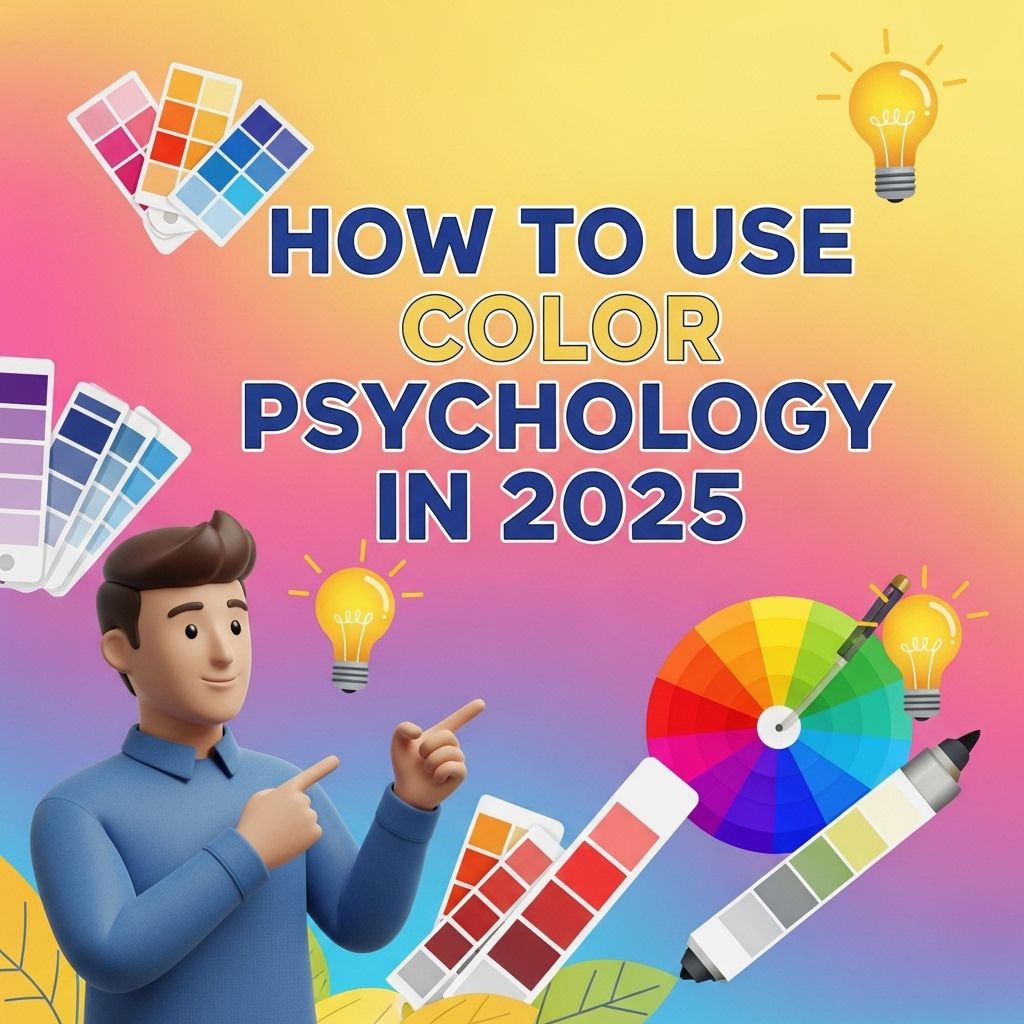
Color psychology is the study of how colors affect human behavior and emotions. Different colors can evoke distinct feelings and associations, making them essential in branding, marketing, and design. Here are some fundamental principles:
- Color Associations: Colors are often linked to specific emotions or concepts. For example, blue can evoke feelings of calm and trust, while red may induce excitement or urgency.
- Cultural Context: The meaning of colors can vary significantly across cultures. For instance, white represents purity in Western cultures but can symbolize mourning in some Eastern cultures.
- Color Combinations: The way colors are paired together can also influence perception. Complementary colors can create vibrant designs, while analogous colors tend to be more harmonious and soothing.
Incorporating Color Psychology into Branding
For businesses looking to establish or refine their brand identity, color psychology can be a game-changer. Here are several strategies to consider:
1. Choose Your Palette Wisely
When selecting colors for a brand, consider what emotions you want to convey. Here’s a basic color association chart:
| Color | Emotion |
|---|---|
| Red | Passion, Urgency |
| Blue | Trust, Calmness |
| Green | Growth, Health |
| Yellow | Optimism, Energy |
| Purple | Luxe, Creativity |
| Black | Elegance, Sophistication |
2. Consistency is Key
Once you’ve chosen your color palette, maintain consistency across all branding materials. This includes your website, social media, packaging, and advertising. A cohesive color scheme reinforces brand recognition.
3. Test and Get Feedback
Before finalizing your color choices, conduct surveys or focus groups to gather feedback on how your audience perceives different colors. This data can guide your final decisions.
Color in Marketing Strategies
Marketing campaigns can greatly benefit from the insights provided by color psychology. Here are effective ways to integrate color into your marketing:
1. Targeted Campaigns
Consider the emotional response you want to elicit from your target audience. Tailor your campaigns based on demographics, including age, gender, and cultural background. For example:
- Young audiences might respond better to vibrant and energetic colors like orange or lime green.
- Older demographics might prefer more muted, classic tones like navy or burgundy.
2. Color in Call-to-Action (CTA) Buttons
The color of your CTA buttons can significantly affect conversion rates. Here are popular choices:
- Red: Creates urgency, perfect for limited-time offers.
- Green: Indicates safety and leads to organic associations.
- Orange: A friendly and inviting color that encourages action.
Color Psychology in User Experience (UX) Design
In the realm of digital design, colors can enhance user experience and engagement. Here’s how to utilize color effectively in UX design:
1. Create Visual Hierarchies
Use color to guide users through your website or application. Different colors can signify importance, helping users navigate easily. For instance:
- Use brighter colors for primary actions (e.g., sign-up buttons).
- Employ softer colors for secondary actions (e.g., informational links).
2. Optimize Readability
Ensure that the colors you choose for text and backgrounds provide sufficient contrast. This not only improves aesthetics but also enhances accessibility for users with visual impairments. Tools like the WebAIM Contrast Checker can help assess color combinations.
3. Evoke Emotional Responses
Delve into the psychology behind color choice to align with the emotions you want your users to feel while using your product. For example:
- A wellness app might use green for a calming experience.
- A gaming site could leverage bold colors for excitement.
Future Trends in Color Psychology
As technology and culture change, so too will the implications of color psychology. Here are some projected trends for 2025:
1. Personalization
With advancements in AI, brands will increasingly tailor color choices to individual preferences based on user data. This will make marketing more targeted and effective.
2. Sustainability and Eco-Friendly Colors
As consumers become more environmentally conscious, colors associated with nature (like greens and browns) may become more popular. Brands will likely adopt these colors to reflect their sustainability efforts.
3. Neon and Bright Colors for Attention
As digital content becomes more saturated, brands may turn to bold neon colors to capture attention and stand out in crowded feeds.
Conclusion
Understanding and applying color psychology in 2025 is essential for anyone in design or marketing. By recognizing how colors influence emotions and perceptions, you can create more effective branding, marketing campaigns, and user experiences. As trends evolve, staying informed about the interplay between color and consumer behavior will ensure your strategies remain relevant and impactful.
FAQ
What is color psychology?
Color psychology is the study of how colors affect human behavior, emotions, and perceptions.
How can I apply color psychology in marketing in 2025?
In 2025, you can apply color psychology in marketing by choosing colors that resonate with your target audience’s emotions and values, enhancing brand recognition and customer engagement.
What colors are trending for branding in 2025?
In 2025, trending colors for branding include soft pastels for calmness, vibrant shades for energy, and earthy tones for sustainability.
How does color affect consumer behavior?
Color can influence consumer behavior by evoking specific emotions, creating a mood, and affecting decision-making processes.
Can color psychology improve website design?
Yes, using color psychology in website design can enhance user experience, guide navigation, and encourage desired actions like purchases or sign-ups.
What is the significance of color in social media marketing?
In social media marketing, color can enhance visual appeal and brand identity, making posts more engaging and shareable.