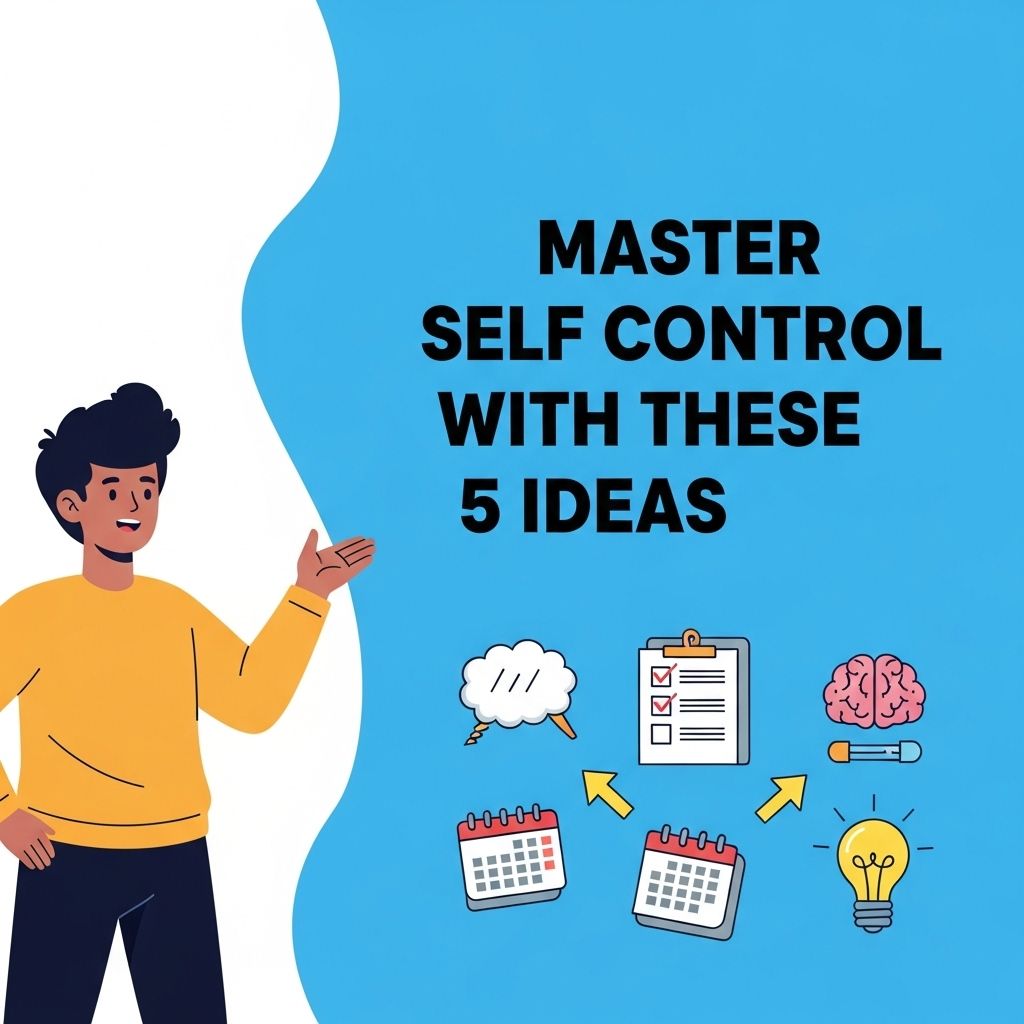
In a world filled with instant gratification, mastering self-control has become a coveted skill. Whether it’s resisting the temptation of unhealthy snacks or staying focused on long-term goals, self-control can significantly influence our success and well-being. This article delves into five powerful ideas that can help you enhance your self-control, allowing you to cultivate a more disciplined and fulfilling life.
Mastering self-control is essential for achieving personal goals and maintaining a balanced life. In this guide, we explore five effective strategies that can help you strengthen your willpower and make better choices. As you embark on this journey, consider enhancing your workspace with inspiring visuals—Download water graphics to create a refreshing environment.
Table of Contents
Understanding Self-Control
Self-control is the ability to regulate one’s emotions, thoughts, and behaviors in the face of external demands, to achieve a greater goal. It is a measure of our willpower, allowing us to stick to our commitments and make decisions that align with our long-term objectives.
The Importance of Self-Control
Self-control plays a crucial role in various aspects of life, including:
- Health: It helps in making healthier lifestyle choices, such as exercising regularly and eating balanced meals.
- Career: Self-control assists in staying focused on work tasks and meeting deadlines, which can lead to career advancement.
- Relationships: It encourages better communication and conflict resolution, contributing to healthier relationships.
- Finances: Self-control helps in budgeting and saving, ensuring financial stability.
Idea 1: Set Clear Goals
One of the most effective ways to enhance self-control is to establish clear and achievable goals. When you have a defined target, it becomes easier to resist distractions and temptations. Here’s how to set effective goals:
SMART Goals
Utilize the SMART criteria for goal setting:
| Criterion | Description |
|---|---|
| Specific | Clearly define what you want to achieve. |
| Measurable | Establish criteria to measure progress. |
| Achievable | Ensure that your goal is realistic and attainable. |
| Relevant | Align your goal with broader objectives. |
| Time-bound | Set a deadline for achieving your goal. |
Idea 2: Create a Supportive Environment
Your environment plays a significant role in your ability to exercise self-control. By altering your surroundings, you can make it easier to stick to your goals. Consider the following strategies:
- Declutter Your Space: A clean and organized environment can reduce distractions.
- Limit Temptations: Remove items that lead to poor choices, such as junk food.
- Use Visual Reminders: Place motivational quotes or goal reminders in visible locations.
Idea 3: Practice Mindful Decision-Making
Mindfulness is the practice of being fully present and aware of your thoughts and feelings. Practicing mindfulness can enhance your ability to exercise self-control by allowing you to pause before making decisions. Here are a few techniques:
Mindfulness Techniques
- Meditation: Regular meditation can strengthen your self-awareness.
- Deep Breathing: Take a moment to breathe deeply when faced with a temptation.
- Reflective Journaling: Keep a journal to reflect on your thoughts and decisions.
Idea 4: Develop Healthy Habits
Habits are automatic behaviors that can either support or undermine your self-control. By fostering positive habits, you can make self-control easier. Here are some ideas:
Building Positive Habits
- Start Small: Begin with manageable changes, such as drinking more water daily.
- Consistency is Key: Aim to perform the new habit consistently at the same time each day.
- Track Progress: Use apps or journals to monitor your habits and celebrate small victories.
Idea 5: Reward Yourself
Implementing a reward system can greatly enhance your self-control. When you achieve a goal or successfully resist temptation, it’s important to acknowledge your efforts. Here’s how to create an effective reward system:
Creating Rewards
- Identify Rewards: Choose rewards that are meaningful to you.
- Set Criteria: Define what actions or milestones will earn rewards.
- Be Patient: Allow yourself time to earn rewards; immediate gratification can be counterproductive.
Conclusion
Mastering self-control is a journey that requires consistent effort and commitment. By setting clear goals, creating a supportive environment, practicing mindfulness, developing healthy habits, and rewarding yourself, you can build the self-discipline necessary to achieve your aspirations. Remember, the path to self-control is not about perfection; it’s about progress and making choices that align with your values and objectives.
FAQ
What are effective strategies to improve self-control?
Effective strategies to improve self-control include setting clear goals, practicing mindfulness, creating a supportive environment, breaking tasks into smaller steps, and rewarding yourself for progress.
How can mindfulness help with self-control?
Mindfulness helps with self-control by increasing awareness of thoughts and impulses, allowing individuals to pause and make more deliberate choices rather than reacting impulsively.
What role does goal setting play in mastering self-control?
Goal setting plays a crucial role in mastering self-control by providing direction and motivation, helping individuals focus their energy on achieving specific outcomes rather than succumbing to distractions.
Can self-control be improved through practice?
Yes, self-control can be improved through consistent practice and the development of healthier habits, as the brain can adapt and strengthen its ability to manage impulses over time.
What are some common obstacles to self-control?
Common obstacles to self-control include stress, lack of motivation, unhealthy environment, procrastination, and emotional triggers that can lead to impulsive decisions.
How does breaking tasks into smaller steps aid self-control?
Breaking tasks into smaller steps aids self-control by making large goals feel more manageable, reducing overwhelm, and enabling individuals to celebrate small victories along the way.