In the rapidly evolving world of design, creating a stunning logo has become more critical than ever. As we look towards 2025, the importance of a powerful visual identity cannot be overstated. The logo serves as the face of a brand, encapsulating its values, mission, and essence in a single image. This article delves into the essential steps and considerations for crafting a remarkable logo that stands out in a competitive landscape.
Creating a stunning logo in 2025 requires a blend of creativity, modern design principles, and an understanding of branding. In this guide, we will explore essential tips and tricks to elevate your logo design process, ensuring that your final product stands out in a competitive market. For those seeking inspiration, check out the collection of professional logo designs.
Table of Contents
Understanding the Basics of Logo Design
Before embarking on the design journey, it’s crucial to understand what constitutes an effective logo. A successful logo should:
- Be memorable and easily recognizable
- Reflect the brand’s identity and values
- Be versatile across different mediums
- Stand the test of time
Elements of a Great Logo
Here are the core elements that contribute to a great logo:
- Typography: The choice of font can convey different emotions and characteristics.
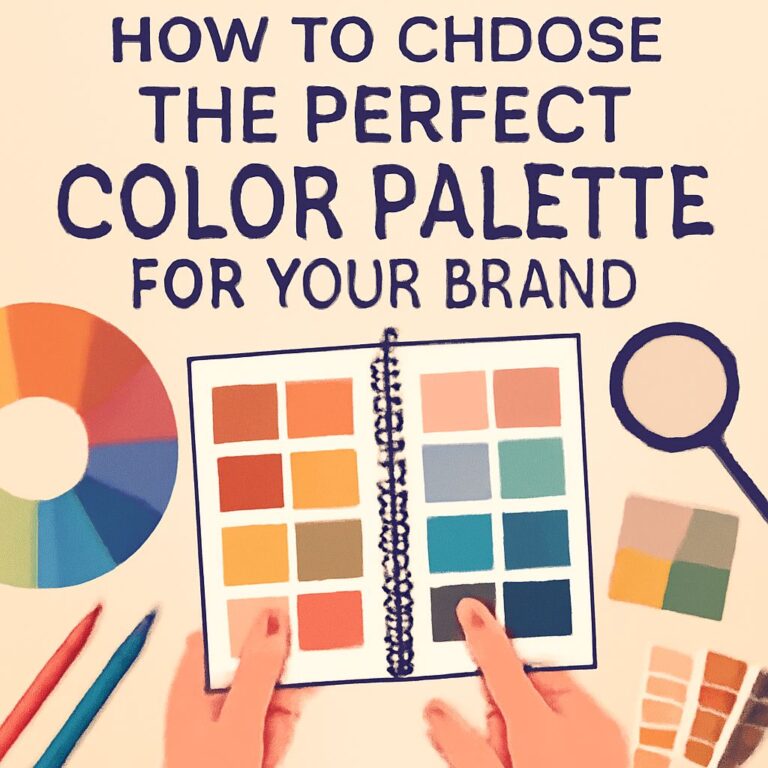
- Color: Colors evoke specific feelings and associations; choosing the right palette is vital.
- Imagery: Symbols or illustrations can enhance the logo’s meaning and recognition.
- Shape: The overall shape can influence how the logo is perceived.
Research and Inspiration
To create a stunning logo, the first step is to gather inspiration and conduct thorough research. Here’s how you can do this effectively:
Analyze Competitors
Look at logos from competing brands within your industry. Identify trends and common elements that appeal to your target audience. Document what works and what doesn’t.
Explore Design Platforms
Online platforms like Dribbble, Behance, and Pinterest can be treasure troves of inspiration. Create mood boards to consolidate your favorite designs and concepts.
Defining Your Brand Identity
Before starting the design, it’s essential to clarify your brand identity. This involves understanding your mission, vision, and values.
Creating a Brand Brief
A brand brief outlines the key aspects of your brand. Include the following components:
- Brand Mission: What is your brand’s purpose?
- Target Audience: Who are you designing for?
- Unique Selling Proposition (USP): What sets your brand apart?
- Desired Emotions: What feelings do you want your logo to evoke?
Sketching and Conceptualization
With a clear understanding of your brand identity, start sketching ideas. At this stage, focus on generating a variety of concepts without limitations.
Techniques for Brainstorming
- Free Drawing: Allow your thoughts and ideas to flow freely onto the page.
- Mind Mapping: Create a visual representation of your ideas and associations.
- Thumbnail Sketches: Quickly draft small sketches to capture different concepts.
Turning Concepts into Digital Logos
Once you have a selection of sketches, it’s time to translate them into digital formats. Use graphic design software for this stage.
Recommended Design Tools
| Tool | Best For |
|---|---|
| Adobe Illustrator | Professional-grade vector graphics |
| Canva | User-friendly interface for beginners |
| CorelDRAW | Versatile design capabilities |
| Affinity Designer | Affordable alternative to Illustrator |
Choosing Colors and Fonts
Color and typography choices can make or break your logo. Here are some tips for selecting the right colors and fonts:
Color Psychology
Colors convey meanings and evoke emotions. Consider the following associations:
- Red: Excitement, passion
- Blue: Trust, professionalism
- Green: Growth, health
- Yellow: Optimism, clarity
Font Selection
Choose a font that matches your brand’s personality. Consider the following types:
- Serif: Traditional, trustworthy
- Sans-Serif: Modern, clean
- Script: Elegant, creative
- Display: Unique, eye-catching
Refinement and Feedback
Once a draft logo has been created, seek feedback from various sources. Refine the design based on the insights gathered.
Sources for Feedback
- Team members
- Friends and family
- Target audience surveys
Finalizing the Design
After several rounds of feedback and refinement, it’s time to finalize your logo. Ensure that:
- The logo is scalable and looks great in various sizes
- It works in both color and monochrome
- It is easily reproducible across different mediums
Protecting Your Logo
Once your logo is ready, consider legal protections. Here are steps to take:
- Trademark Registration: Protect your logo from being used by others.
- Copyright: Ensure your unique design is legally yours.
Conclusion
Creating a stunning logo in 2025 demands creativity, research, and an understanding of design principles. By following the steps outlined in this article, you can design a logo that not only represents your brand but also resonates with your audience. Remember, a great logo is more than just a pretty picture; it’s a vital component of your brand’s identity and success.
FAQ
What are the latest trends in logo design for 2025?
The latest trends in logo design for 2025 include minimalism, geometric shapes, vibrant colors, and dynamic logos that adapt to different formats.
What tools can I use to create a logo in 2025?
In 2025, popular tools for logo creation include Adobe Illustrator, Canva, and online logo generators like Looka and LogoMaker.
How important is color psychology in logo design?
Color psychology plays a crucial role in logo design as it influences consumer perception and emotional response to your brand.
Should I hire a professional designer or create my own logo?
Whether to hire a professional designer or create your own logo depends on your budget and expertise; professionals can offer unique insights, while DIY options can be cost-effective.
What elements make a logo memorable?
A memorable logo typically combines simplicity, uniqueness, relevance to the brand, and versatility for various applications.
How do I ensure my logo is versatile across different platforms?
To ensure your logo is versatile, design it in vector format, use simple shapes, and test it across various sizes and backgrounds.