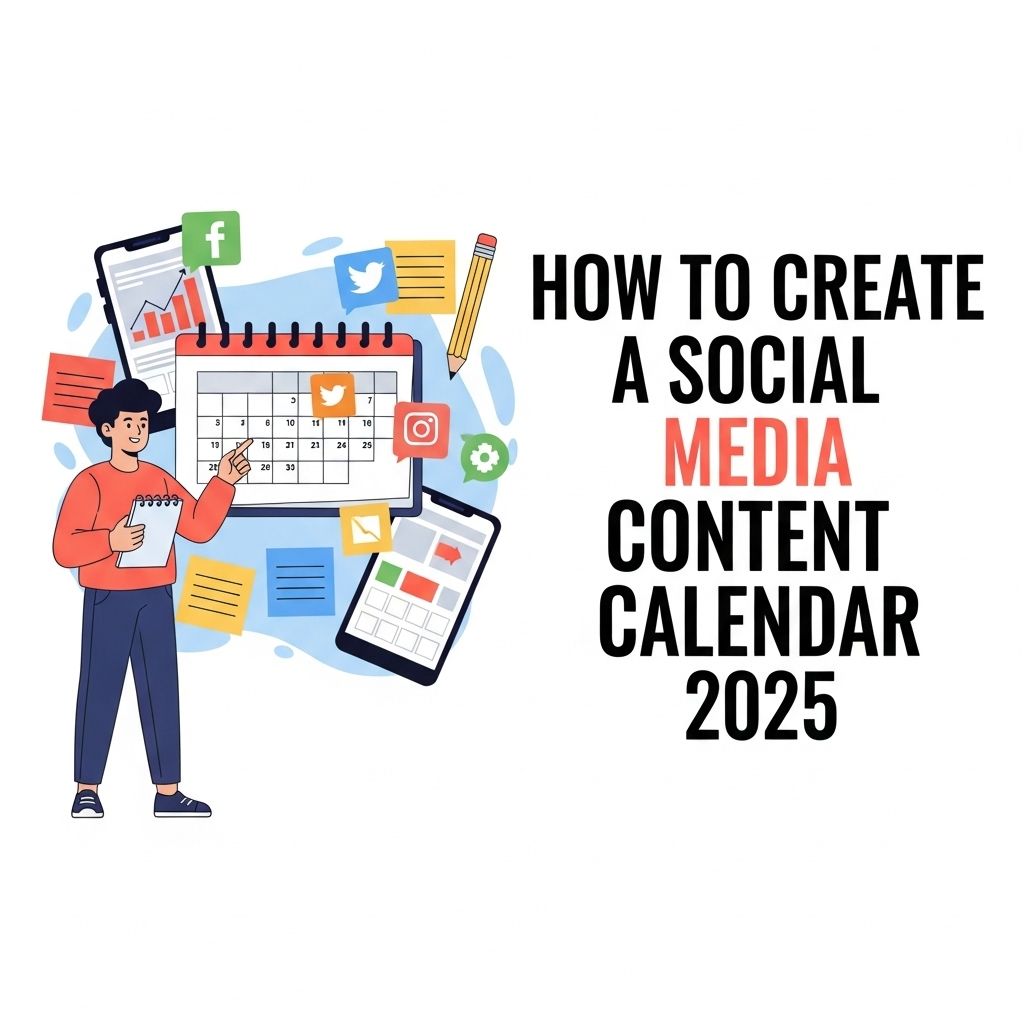
In the fast-paced world of social media, staying organized and strategic is crucial for success. A well-structured content calendar not only helps keep your posts consistent but also ensures that your messaging aligns with your overall marketing goals. As we approach 2025, the need for an efficient social media content calendar has never been more essential. This guide will take you through the steps to create a robust social media content calendar that will streamline your workflow and optimize your online presence.
Navigating the ever-evolving landscape of social media can be daunting, but mastering your 2025 content calendar is essential for success. By planning ahead, you can ensure that your posts engage your audience and align with your brand’s goals. For those looking to enhance their visuals, exploring best bag mockup designs can provide a creative edge.
Table of Contents
Understanding the Importance of a Content Calendar
A content calendar serves as a roadmap for your social media strategy. It allows you to plan and schedule posts in advance, making it easier to maintain a consistent voice and engage effectively with your audience. Here are some key benefits:
- Increases Consistency: Regular posting helps keep your audience engaged and improves your brand’s visibility.
- Enhances Planning: You can align content with marketing campaigns, holidays, and events.
- Facilitates Collaboration: Teams can easily coordinate efforts and share responsibilities.
Key Components of a Social Media Content Calendar
When designing a content calendar for 2025, it’s important to include several core components to ensure it meets all your needs. Consider the following elements:
1. Posting Frequency
Define how often you want to post on each platform. A sample table could look like this:
| Platform | Posting Frequency |
|---|---|
| 3 times per week | |
| 5 times per week | |
| Daily | |
| 2 times per week |
2. Content Themes
Establishing content themes can help ensure variety and relevance in your posts. Here are some popular themes to consider:
- Educational Content: Tips, how-tos, and industry insights.
- Promotional Content: Announcements, product launches, and special offers.
- Engaging Content: Polls, questions, and user-generated content.
3. Visual Elements
Incorporate visuals into your calendar. This includes images, videos, and graphics that align with your content. Keeping a library of assets ready can save time during the content creation process.
Steps to Create Your Social Media Content Calendar
Now that you understand the importance and components, let’s dive into the steps required to build your social media content calendar for 2025:
Step 1: Determine Your Goals
Before you start creating content, establish what you want to achieve. Common goals might include:
- Increasing brand awareness.
- Boosting engagement rates.
- Driving website traffic.
- Generating leads or sales.
Step 2: Select the Right Tools
Select a tool that fits your team’s needs. Options include:
- Excel or Google Sheets: Perfect for simple calendars.
- Dedicated Social Media Management Tools: Tools like Hootsuite or Buffer offer advanced features.
Step 3: Build Your Calendar Template
Your calendar should be easy to read and navigate. Include columns for:
- Date and time of posting.
- Content type (image, video, article).
- Platform (Facebook, Instagram, etc.).
- Content theme.
- Links to assets or drafts.
- Performance metrics.
Step 4: Develop Content Ideas
Brainstorm content ideas that align with your themes and goals. Consider using the following methods:
- Keyword Research: Identify trending topics relevant to your audience.
- Competitor Analysis: Observe what works for competitors.
- User Feedback: Request input directly from your audience.
Scheduling and Posting Strategy
Once your content is planned and organized, the next step is scheduling. Here are some strategies to enhance your posting:
Optimal Posting Times
Research indicates that posting during peak engagement times can significantly improve visibility. Utilize analytics from your social media platforms to determine when your audience is most active.
Automation Tools
Leverage automation tools to schedule posts in advance. Here are some reliable options:
- Later: Best for visual platforms like Instagram.
- Buffer: Ideal for managing multiple accounts.
Measuring Success
The final step in your content calendar process is measurement. Track and analyze the performance of your posts. Consider the following metrics:
Key Performance Indicators (KPIs)
- Engagement Rate: Likes, shares, comments.
- Reach: Total number of unique users who see your content.
- Website Traffic: Use UTM codes to measure how social traffic impacts your site.
Regularly review these metrics to assess what works and what doesn’t, allowing for continuous improvements in your social media strategy.
Conclusion
Creating a social media content calendar for 2025 is a proactive approach to enhancing your brand’s online presence. By following the outlined steps and incorporating the right tools and strategies, you’ll be able to keep your content organized, relevant, and engaging. Remember, the digital landscape is always evolving, so stay adaptable and ready to refine your content strategy as necessary. With the right planning and execution, your social media channels can become a powerful asset for your brand.
FAQ
What is a social media content calendar?
A social media content calendar is a planning tool that helps you schedule and organize your posts across various social media platforms.
Why is a social media content calendar important?
A content calendar helps streamline your social media strategy, ensuring consistent posting, better engagement, and improved organization.
How do I create a social media content calendar for 2025?
To create a content calendar for 2025, start by defining your goals, selecting your platforms, planning content themes, and using tools like spreadsheets or specialized software.
What tools can I use to manage my social media content calendar?
Popular tools for managing social media content calendars include Hootsuite, Buffer, Trello, and Google Sheets.
How often should I update my social media content calendar?
You should update your content calendar regularly, ideally weekly or monthly, to adapt to trends, events, and audience engagement.
What types of content should I include in my social media calendar?
Include a mix of promotional posts, educational content, user-generated content, and engaging visuals to keep your audience interested.