In today’s highly connected world, establishing a strong personal brand has become essential for success in various fields, from entrepreneurship to career advancement. A compelling personal brand not only enhances your visibility but also conveys your unique value proposition to your audience. Here are five transformative ideas to elevate your personal brand and make a lasting impression.
In today’s competitive landscape, developing a strong personal brand is more essential than ever. Here are five creative strategies to elevate your presence and resonate with your audience, from utilizing impactful visuals to leveraging free resources like download free bag mockups. These approaches can help you stand out and communicate your unique identity effectively.
Table of Contents
1. Define Your Unique Value Proposition
Your unique value proposition (UVP) is the foundation of your personal brand. It articulates what makes you different from others in your industry and why people should pay attention to you. To identify your UVP, consider the following steps:
Steps to Define Your UVP
- Self-Reflection: Assess your skills, experiences, and passions.
- Market Research: Analyze what others in your field are offering.
- Feedback: Seek input from peers and mentors regarding your strengths.
- Draft Your UVP: Write a concise statement that encapsulates your unique qualities.
Once you have your UVP, ensure it is prominently featured on your website, social media profiles, and any other platforms where you engage with your audience.
2. Leverage Social Media Strategically
Social media is a powerful tool for building your personal brand. However, it’s crucial to use it strategically. Here’s how you can optimize your social media presence:
Strategies for Social Media Success
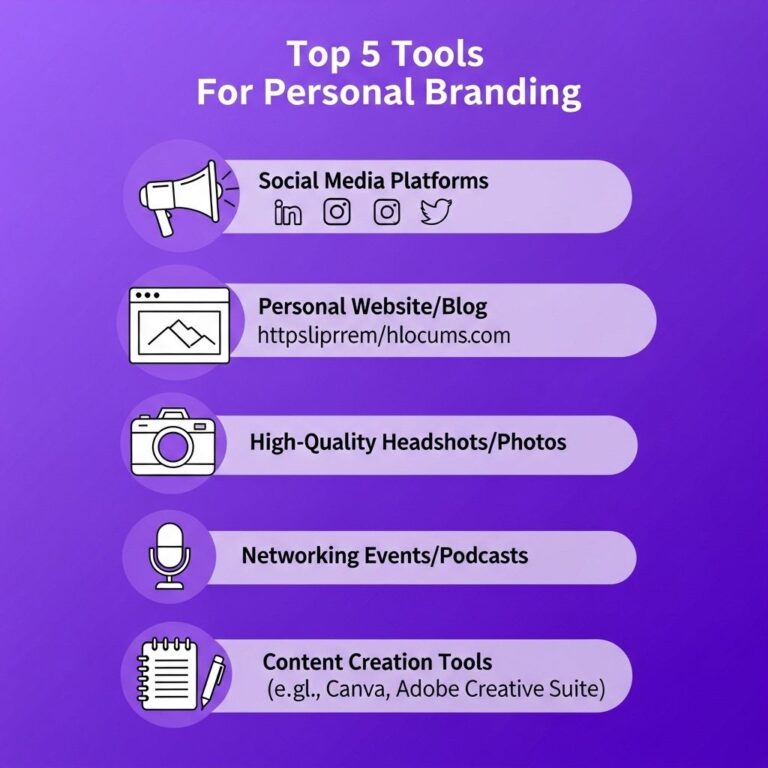
- Choose the Right Platforms: Focus on platforms where your target audience is most active, whether it’s LinkedIn, Twitter, Instagram, or TikTok.
- Consistent Messaging: Maintain a consistent voice and message across all platforms to reinforce your brand identity.
- Engagement: Interact with your audience by responding to comments, participating in discussions, and sharing relevant content.
- Content Creation: Share original content that reflects your expertise and interests, such as articles, videos, or infographics.
By presenting a coherent and engaging social media profile, you can establish a stronger connection with your audience and enhance your credibility.
3. Create Valuable Content
Content creation is a vital aspect of personal branding. High-quality content not only showcases your expertise but also provides value to your audience. Think about the following content formats:
Content Formats to Consider
| Format | Description |
|---|---|
| Blog Posts | In-depth articles that provide insights and knowledge on topics related to your field. |
| Podcasts | Audio discussions that allow you to share your ideas and interview experts. |
| Videos | Visual content that can demonstrate your personality and engage your audience. |
| Webinars | Live sessions that provide education and interaction with your audience. |
When creating content, always prioritize quality over quantity. Focus on delivering actionable insights and practical advice that your audience can apply in their lives.
4. Network Authentically
Building relationships is a cornerstone of personal branding. Networking can open doors to new opportunities, collaborations, and insights. Here are some tips for authentic networking:
Networking Tips
- Attend Industry Events: Participate in conferences, workshops, and seminars related to your field.
- Utilize Online Platforms: Engage with professional groups or forums on platforms like LinkedIn or Reddit.
- Follow Up: After meeting someone, send a follow-up message to express appreciation and keep the conversation going.
- Offer Help: Don’t just seek assistance; be willing to provide help and support to others within your network.
Building genuine connections can lead to fruitful collaborations and enhance your reputation within your industry.
5. Monitor and Adapt Your Brand
Personal branding is not a one-time effort; it requires continuous monitoring and adaptation. Stay attuned to changes in your industry and audience preferences. Here’s how to keep your brand relevant:
Monitoring Your Brand
- Solicit Feedback: Regularly ask for feedback from your audience and peers on your content and branding.
- Analyze Data: Use analytics tools to track engagement on your website and social media.
- Stay Updated: Follow industry trends and adjust your content and messaging accordingly.
Adapting to feedback and trends ensures that your personal brand remains fresh and aligned with the evolving landscape of your industry.
Conclusion
Elevating your personal brand is an ongoing journey that demands dedication and thoughtful strategy. By defining your unique value proposition, leveraging social media, creating valuable content, networking authentically, and continuously monitoring your brand, you can establish a compelling presence that resonates with your audience. Start implementing these ideas today, and watch your personal brand flourish.
FAQ
What are effective ways to enhance my personal brand?
To elevate your personal brand, focus on defining your unique value proposition, creating quality content, networking strategically, maintaining a consistent online presence, and seeking feedback for continuous improvement.
How can I utilize social media to boost my personal brand?
Utilize social media by sharing valuable insights, engaging with your audience, showcasing your expertise, and collaborating with others in your field to expand your reach.
Why is networking important for personal branding?
Networking is crucial for personal branding as it helps you build relationships, gain visibility, and create opportunities for collaboration, mentorship, and career advancement.
What role does content creation play in personal branding?
Content creation establishes you as a thought leader, provides value to your audience, and helps articulate your brand message effectively across various platforms.
How can I measure the success of my personal brand?
You can measure the success of your personal brand by tracking engagement metrics, monitoring your online reputation, receiving feedback from peers, and evaluating new opportunities that arise as a result of your branding efforts.