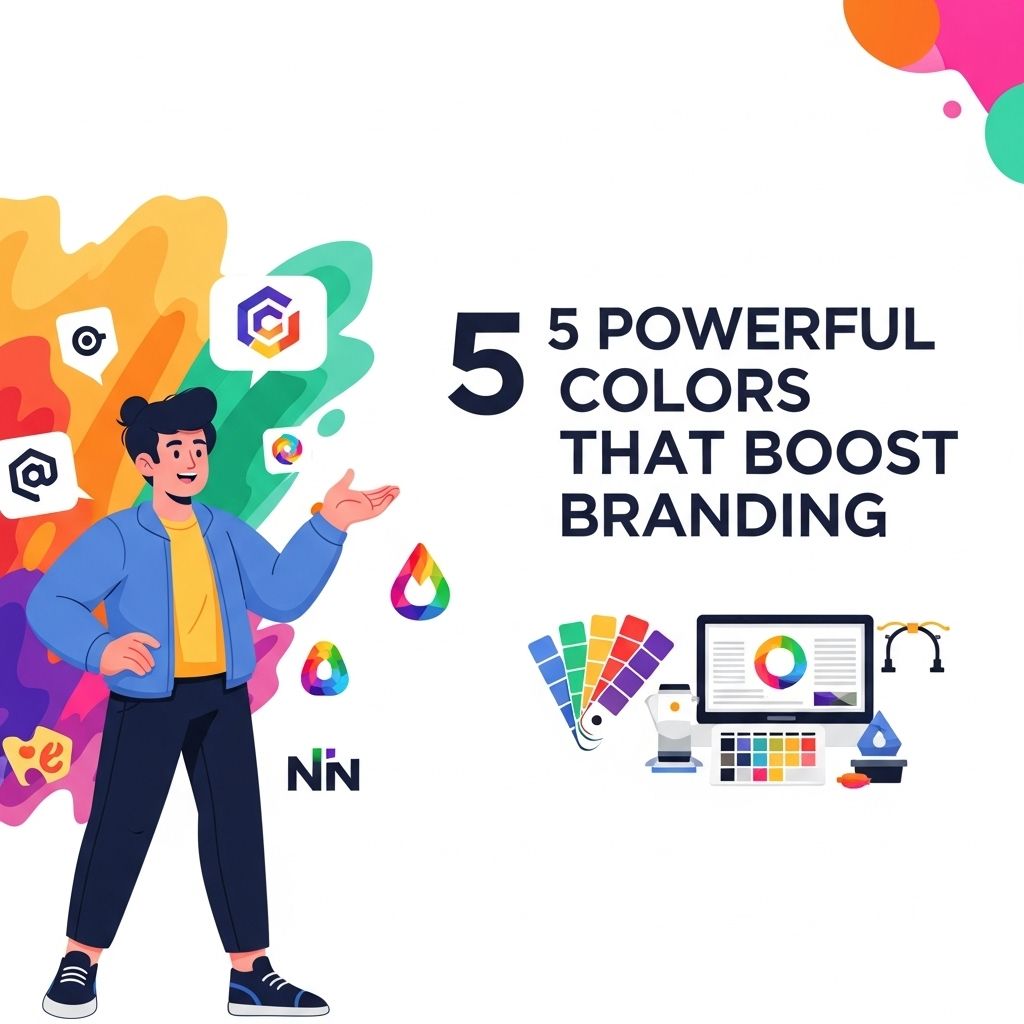
In today’s highly competitive market, branding is a crucial component of business strategy. It not only establishes a company’s identity but also communicates its values, mission, and the emotional connection it seeks to make with its audience. One of the most impactful elements of branding is color. The psychology of colors can evoke certain feelings and perceptions, which can drive consumer behavior. In this article, we will explore five powerful colors that can significantly enhance your branding efforts.
Choosing the right colors for your branding can significantly influence consumer perception and engagement, especially in the competitive world of beer. From the rich amber of a classic lager to the deep brown of stouts, understanding how colors evoke emotions and convey messages is essential for creating a memorable brand identity. For inspiration, explore these high-quality beer images to see how different hues can enhance your branding efforts.
Table of Contents
The Psychology of Color in Branding
Color has a powerful effect on our emotions, perceptions, and actions. It is essential for brands to understand the implications of color choices when designing logos, marketing materials, and other visual elements. According to studies, color can increase brand recognition by up to 80%. Here’s a quick overview of how specific colors can influence consumer perceptions:
| Color | Emotional Response | Common Associations |
|---|---|---|
| Red | Excitement, Passion | Energy, Love, Warning |
| Blue | Trust, Dependability | Calmness, Professionalism, Security |
| Green | Growth, Harmony | Nature, Health, Wealth |
| Yellow | Optimism, Clarity | Happiness, Caution, Warmth |
| Purple | Luxury, Creativity | Wisdom, Dignity, Mystery |
1. Red: The Color of Passion and Energy
Red is a color that instantly grabs attention. It’s associated with strong emotions such as love, excitement, and even anger. Brands that use red often aim to evoke strong feelings and prompt quick actions. For example, many fast-food chains incorporate red in their branding to stimulate appetite and encourage customers to make a purchase.
Brands That Use Red
- Target
- Coca-Cola
- Netflix
- LEGO
2. Blue: The Color of Trust and Reliability
Blue is known for its calming effect and is often associated with stability and reliability. It’s a preferred choice for many corporate brands, especially in finance and technology, as it conveys professionalism and trustworthiness. When consumers see blue, they often feel more secure in their purchasing decisions.
Brands That Use Blue
- IBM
- PayPal
3. Green: The Color of Growth and Harmony
Green is closely tied to nature, representing growth, sustainability, and health. Brands focused on eco-friendliness or wellness often utilize green in their branding to resonate with consumers who value these principles. Green can also convey a sense of tranquility, making it a great choice for health and wellness brands.
Brands That Use Green
- Starbucks
- Whole Foods
- Tropicana
- Spotify
4. Yellow: The Color of Optimism and Clarity
Yellow radiates positivity and warmth, making it an excellent choice for brands looking to convey happiness and cheerfulness. However, it’s essential to use yellow carefully, as too much can lead to feelings of anxiety. Brands that use yellow effectively can appear friendly and approachable.
Brands That Use Yellow
- McDonald’s
- Snapchat
- National Geographic
- Post-it Notes
5. Purple: The Color of Luxury and Creativity
Purple has long been associated with royalty, luxury, and creativity. It’s often used by brands that want to convey a sense of premium quality. Additionally, purple can stimulate imagination and originality, making it a popular choice for brands in the creative industry.
Brands That Use Purple
- Yahoo!
- Twitch
- Hallmark
- Barney
Integrating Color into Your Branding Strategy
When incorporating color into your branding strategy, consider the following steps:
- Identify Your Brand’s Core Values: Understand what emotions and values your brand represents, and choose colors that align with those.
- Research Your Target Audience: Different demographics may respond to colors in varying ways, so it’s important to tailor your color choices accordingly.
- Analyze Competitors: Look at what colors your competitors are using. This can help you differentiate your brand while remaining relevant within your industry.
- Test Your Color Choices: Conduct A/B testing to see how different colors affect consumer behavior. This can provide valuable insights into which colors resonate best with your audience.
Conclusion
Choosing the right color for your brand is a powerful way to influence consumer perception and behavior. With an understanding of the psychological implications of color, brands can create compelling identities that engage and connect with their target audience. Remember to consider your brand’s values and the emotions you wish to evoke when making your color selections. By strategically integrating color into your branding, you can establish a distinct and memorable presence in the marketplace.
FAQ
What are the most powerful colors for branding?
The most powerful colors for branding include blue, red, yellow, green, and black. Each color elicits different emotions and perceptions that can enhance brand identity.
How does the color blue affect branding?
Blue is often associated with trust, reliability, and professionalism, making it a popular choice for financial institutions and tech companies.
What feelings does the color red evoke in branding?
Red is known to evoke strong emotions such as excitement and passion, making it effective for brands aiming to create urgency or attract attention.
Why is yellow considered a powerful branding color?
Yellow is associated with optimism, creativity, and happiness, which can help brands appear friendly and inviting.
How can green enhance a brand’s image?
Green symbolizes growth, health, and sustainability, making it an ideal choice for eco-friendly and wellness brands.
What role does black play in branding?
Black conveys sophistication, luxury, and elegance, making it a popular choice for high-end brands and products.