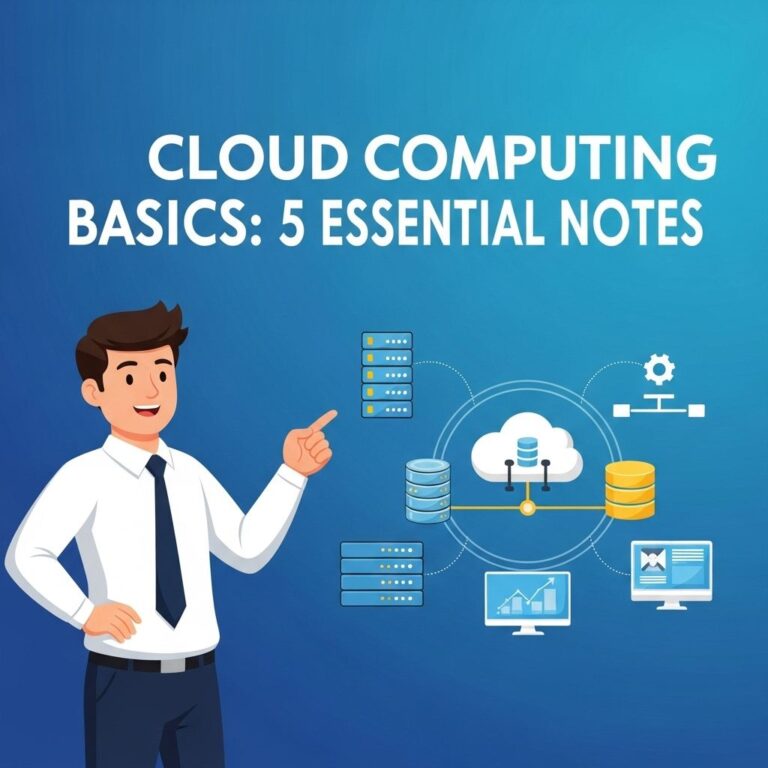
The world of cloud computing has revolutionized the way businesses operate, offering unparalleled flexibility, scalability, and efficiency. As more organizations shift to cloud-based solutions, understanding the fundamental concepts becomes essential for anyone looking to venture into this domain. This article will demystify cloud computing and provide beginners with the essential ideas needed to navigate this expansive field.
Cloud computing is revolutionizing how businesses operate, providing scalable resources and flexibility that traditional IT infrastructures cannot match. For beginners, grasping essential concepts like SaaS, IaaS, and PaaS is crucial to leveraging these technologies effectively. As you explore cloud solutions, consider various applications, including creative avenues such as beer label design ideas, to understand the potential scope of cloud capabilities.
Table of Contents
Understanding Cloud Computing
At its core, cloud computing provides on-demand computing resources over the internet. It allows users to access data and applications from anywhere, without the need for extensive hardware or local infrastructure. The key components of cloud computing include:
- Infrastructure as a Service (IaaS): Provides virtualized computing resources over the internet.
- Platform as a Service (PaaS): Offers hardware and software tools over the internet, typically for application development.
- Software as a Service (SaaS): Delivers software applications over the internet, on a subscription basis.
The Benefits of Cloud Computing
Cloud computing offers numerous advantages, making it an attractive option for businesses and individuals alike. Some of the primary benefits include:
- Cost Efficiency: Reduces the need for extensive physical infrastructure, lowering overall operational costs.
- Scalability: Easily scale resources up or down based on demand.
- Accessibility: Access data and applications from anywhere, using any device with internet connectivity.
- Automatic Updates: Services are automatically updated, ensuring users have the latest features and security patches.
Types of Cloud Models
Cloud computing can be categorized into different deployment models, each serving distinct needs:
1. Public Cloud
In a public cloud, services are delivered over the public internet and shared across multiple organizations. Major providers include Amazon Web Services (AWS), Microsoft Azure, and Google Cloud Platform (GCP).
2. Private Cloud
A private cloud is dedicated to a single organization, providing more control over security and data integrity. It can be hosted internally or by a third-party provider.
3. Hybrid Cloud
A hybrid cloud combines both public and private clouds, allowing organizations to balance workloads and enhance flexibility.
| Cloud Model | Description |
|---|---|
| Public Cloud | Shared resources over the internet. |
| Private Cloud | Exclusive resources for a single organization. |
| Hybrid Cloud | Combination of public and private models. |
Key Cloud Computing Concepts
To effectively navigate the world of cloud computing, it is crucial to understand several key concepts:
Virtualization
Virtualization allows multiple virtual machines (VMs) to run on a single physical server, optimizing resource utilization and reducing costs.
Containers
Containers encapsulate applications and their dependencies in a portable format, ensuring consistency across different environments. Technologies like Docker and Kubernetes facilitate container management and orchestration.
Microservices
This architectural style breaks applications into smaller, independent services that can be developed, deployed, and scaled individually, enhancing agility and resilience.
Security in Cloud Computing
Data security is a major concern when adopting cloud services. Key security practices include:
- Data Encryption: Protect data both in transit and at rest using strong encryption methods.
- Access Control: Implement strict access controls and authentication measures to ensure only authorized users can access sensitive information.
- Regular Audits: Conduct regular security audits and assessments to identify and mitigate vulnerabilities.
Getting Started with Cloud Computing
For beginners eager to dive into cloud computing, the following steps will help you build a strong foundation:
1. Explore Cloud Platforms
Familiarize yourself with popular cloud service providers and their offerings:
- AWS: Extensive resources and capabilities, ideal for scalable applications.
- Microsoft Azure: Seamless integration with Microsoft products and services.
- Google Cloud Platform: Strong data analytics and machine learning capabilities.
2. Learn Key Technologies
Focus on acquiring skills in key areas:
- Networking and Security
- Database Management
- DevOps Practices
- Containerization and Orchestration
3. Take Advantage of Online Resources
Utilize online courses, tutorials, and documentation to deepen your understanding:
- Coursera: Offers cloud computing courses from top universities.
- edX: Provides free courses on various cloud technologies.
- Cloud Provider Documentation: Each provider offers comprehensive guides and tutorials.
The Future of Cloud Computing
As technology continues to advance, the future of cloud computing looks promising. Key trends to watch for include:
1. Increased Automation
Automation will play a crucial role in managing cloud environments, enhancing efficiency and reducing the potential for human error.
2. Serverless Computing
This model allows developers to build and run applications without managing servers, further streamlining cloud function deployment.
3. Edge Computing
With the rise of IoT devices, edge computing will bring computation and data storage closer to the source of data generation, reducing latency and improving performance.
In conclusion, cloud computing stands as a transformative force in the tech industry, providing a plethora of opportunities for innovation and efficiency. By grasping these essential concepts and trends, beginners can pave their way to becoming proficient in this ever-evolving field.
FAQ
What is cloud computing?
Cloud computing is the delivery of various services over the internet, including storage, processing power, and applications, allowing users to access and manage resources remotely.
What are the benefits of using cloud computing?
Benefits include cost efficiency, scalability, automatic updates, remote access, and enhanced collaboration, making it easier for businesses and individuals to manage their IT resources.
What are the different types of cloud computing?
The main types of cloud computing are public clouds, private clouds, and hybrid clouds, each serving different needs based on security, control, and resource management.
How do I choose a cloud service provider?
When choosing a cloud service provider, consider factors like reliability, security features, cost, scalability options, and the specific services that align with your needs.
Is cloud computing secure?
While cloud computing can be secure, it depends on the provider’s security measures and your own practices. Always ensure you understand the security protocols in place.
What skills do I need to work in cloud computing?
Essential skills for cloud computing include knowledge of cloud platforms (like AWS, Azure, or Google Cloud), networking, security protocols, and familiarity with programming and database management.