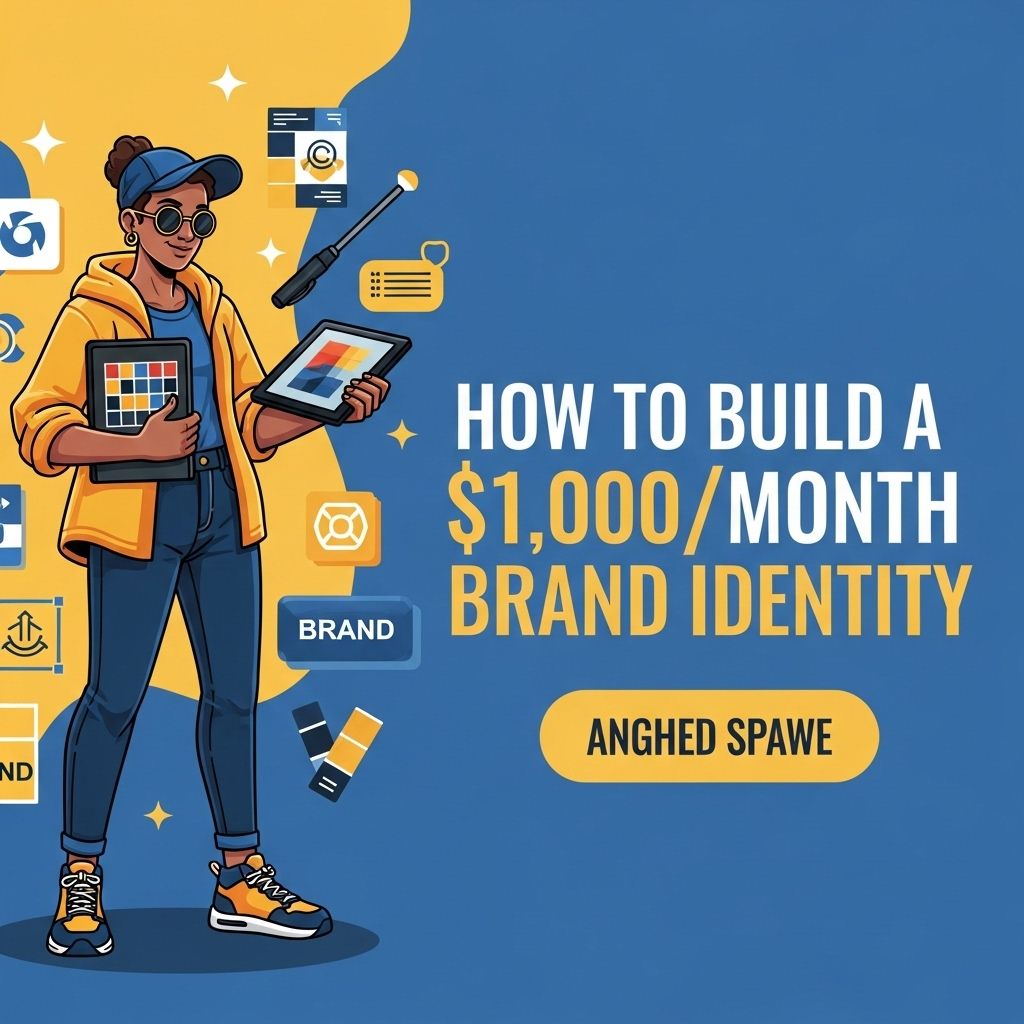
Building a strong brand identity is crucial for any business, especially for startups and entrepreneurs aiming to establish their presence in a competitive market. A well-defined brand identity communicates who you are, what you stand for, and how you differ from your competitors. In this article, we will explore how to construct a compelling brand identity that can help you achieve a revenue target of $1,000 per month.
Building a profitable brand identity for your beer venture on a budget of $1,000 per month is entirely feasible with the right strategies. From leveraging design resources to effectively engaging your target audience, you can create a memorable presence in the market. Utilize free tools like free beer graphics to enhance your branding efforts without straining your budget.
Table of Contents
Understanding Brand Identity
Brand identity encompasses all the aspects that distinguish your brand in the minds of consumers. This includes your logo, color palette, typography, messaging, and the overall experience customers have with your brand. A cohesive brand identity ensures that your audience understands your mission and values, fostering trust and recognition.
Key Components of Brand Identity
- Logo: A visual representation of your brand that should be simple, memorable, and versatile.
- Color Palette: Colors evoke emotions and should reflect your brand’s personality.
- Typography: The font styles you choose should be readable and align with your brand voice.
- Imagery: The style of images and graphics you use to support your messaging.
- Voice and Tone: The way your brand communicates with its audience.
Steps to Build Your Brand Identity
To create a compelling brand identity on a budget, follow these essential steps:
1. Define Your Brand’s Purpose
Understanding your brand’s purpose is the foundation of your identity. Answer the following:
- What problem does your brand solve?
- Who is your target audience?
- What values do you want to promote?
2. Conduct Market Research
Analyze your competitors and identify what works and what doesn’t in your niche. This step will help you find a unique angle for your brand. Consider the following:
- Identify your competitors.
- Analyze their branding strategies.
- Understand what your target audience values.
3. Create a Brand Name and Logo
Your brand name should be catchy and relevant to your niche. Once you have a name, design a logo that reflects your brand values. You can use tools like Canva or hire a freelancer from platforms like Fiverr or Upwork to create your logo at a reasonable cost.
4. Develop Brand Guidelines
Brand guidelines are essential to maintain consistency across all platforms. Your guidelines should include:
- Logo usage rules
- Color palette specifications
- Typeface selections
- Imagery guidelines
- Brand voice and tone
Building Brand Awareness
Once you have established your brand identity, it’s time to get the word out. Here are effective strategies to build brand awareness:
Social Media Presence
Select platforms that resonate with your target audience, and develop a content strategy that reflects your brand voice. Consider:
- Creating engaging posts and stories.
- Utilizing user-generated content.
- Running targeted ads.
Content Marketing
Use content marketing to share valuable and relevant information with your audience. This can establish your brand as a thought leader. Some effective content types include:
- Blog posts
- Email newsletters
- Informative videos
Networking and Partnerships
Partnering with other brands can amplify your reach. Consider collaborating for events, webinars, or giveaways. Look for brands that share similar values.
Measuring Brand Identity Success
To ensure your branding efforts are effective, track your progress using various metrics. Here are some key performance indicators (KPIs):
| Metric | Description |
|---|---|
| Brand Awareness | Measured through surveys or social media reach. |
| Engagement | Likes, shares, comments on social media posts. |
| Website Traffic | Using tools like Google Analytics to monitor visitors. |
| Sales | Track monthly revenue to see if you reach your $1,000/month goal. |
Conclusion
Building a brand identity on a budget is entirely feasible with a clear strategy and determination. By following the steps outlined in this article, you can create a distinctive brand that resonates with your audience and drives progress towards your financial goals. Remember, consistency is key, so always maintain your brand guidelines and adapt your strategies based on customer feedback and market changes.
FAQ
What is brand identity and why is it important?
Brand identity encompasses the visual elements of a brand, including its logo, color palette, typography, and overall aesthetic. It is crucial because it helps businesses communicate their values and connect with their target audience effectively.
How can I create a brand identity on a budget?
To create a budget-friendly brand identity, start by researching your target market and competitors, then utilize free or affordable design tools like Canva or Adobe Spark. Focus on creating a strong logo, consistent colors, and a clear brand message.
What elements should I include in my brand identity?
Key elements of brand identity include a logo, tagline, color scheme, typography, imagery style, and brand voice. Each should align with your brand’s mission and appeal to your audience.
How can social media enhance my brand identity?
Social media platforms allow you to showcase your brand identity through consistent visuals and messaging. Engaging content and interaction with followers help reinforce your brand’s presence and personality.
How long does it take to develop a strong brand identity?
The timeline can vary, but establishing a cohesive brand identity typically takes a few weeks to several months, depending on the complexity and resources allocated to the project.
Can I evolve my brand identity over time?
Yes, evolving your brand identity is common as your business grows or shifts. It’s important to maintain core elements while adapting to new trends or changes in your target audience’s preferences.