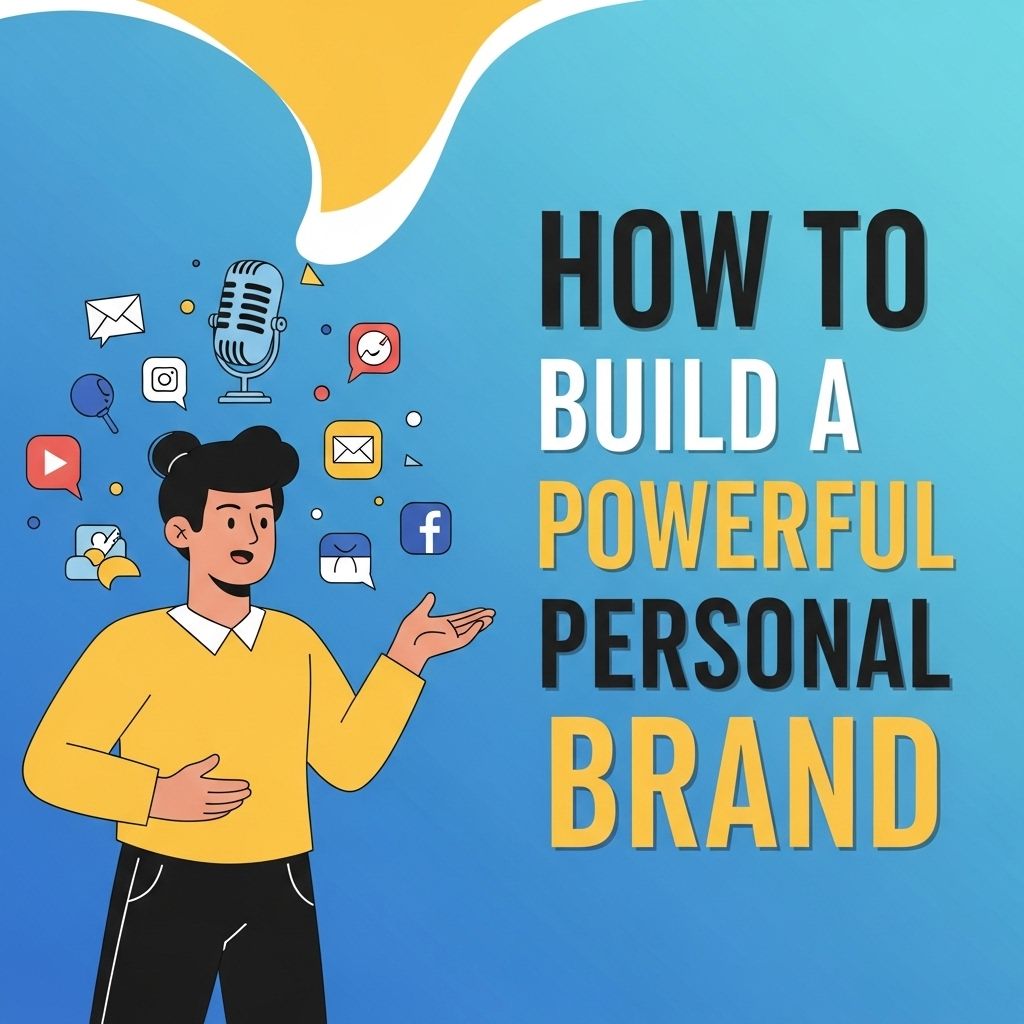
In today’s digital landscape, establishing a personal brand has become essential for professionals across industries. A robust personal brand can set you apart from the competition, enhance your credibility, and open doors to new opportunities. Whether you’re an entrepreneur, freelancer, or employee, understanding the principles of personal branding is key to achieving your career goals.
Building a powerful personal brand is essential in today’s competitive landscape. In just five steps, you can create a memorable and authentic presence that resonates with your audience. For inspiration, check out these mockup tube examples that showcase distinct branding elements.
Table of Contents
Understanding Personal Branding
Personal branding is the practice of marketing yourself and your career as a brand. It’s about defining your unique value proposition and communicating it effectively to your target audience. Here are some critical components that constitute a strong personal brand:
- Authenticity: Genuine representation of who you are.
- Consistency: Uniform messaging across all platforms.
- Reputation: How others perceive you in your professional landscape.
Steps to Build Your Personal Brand
Creating a personal brand involves several strategic steps. Below is a structured approach to help you establish your brand:
1. Define Your Brand Identity
Before you start promoting yourself, it’s crucial to understand what you stand for. Consider the following:
- Identify Your Values: What principles guide your professional life?
- Determine Your Passion: What are you excited about? What motivates you?
- Clarify Your Expertise: What skills or knowledge do you possess that sets you apart?
2. Know Your Audience
Understanding who you want to reach is vital for effective personal branding:
- Identify Your Target Audience: Who benefits from your expertise? Create personas that represent your audience segments.
- Engage With Your Audience: Use surveys or social media to gain insights into your audience’s preferences.
3. Craft Your Unique Value Proposition
Your unique value proposition (UVP) is the essence of what you offer to your audience. It should be concise and compelling. Here’s a simple formula to create your UVP:
For [target audience], I provide [solution/service] that [benefit].
4. Build a Professional Online Presence
Your online presence is often the first impression potential employers or clients will have of you. Here are essential platforms to consider:
| Platform | Purpose |
|---|---|
| Professional networking and showcasing your resume. | |
| Personal Website | Your portfolio and blog to showcase your expertise. |
| Engagement and sharing industry news and insights. | |
| Visual branding for creatives and lifestyle. |
5. Content Creation and Sharing
Creating valuable content can position you as an authority in your field. Consider these content types:
- Blog Posts: Write about industry trends, personal experiences, or guides that showcase your knowledge.
- Videos: Create tutorials or thought leadership pieces on platforms like YouTube.
- Podcasts: Share insights through interviews or discussions.
6. Networking and Collaboration
Networking is a significant aspect of personal branding. Here’s how to leverage it:
- Attend Industry Events: Conferences, meetups, or webinars to connect with like-minded professionals.
- Engage on Social Media: Regularly comment on, like, and share posts from peers in your industry.
- Collaborate: Partner with others on projects to broaden your reach.
Maintaining Your Personal Brand
Building a personal brand is not a one-time task; it requires ongoing effort and adjustment. Here are some strategies for maintaining your brand:
- Stay Current: Regularly update your skills and knowledge to reflect industry changes.
- Seek Feedback: Regularly ask for constructive criticism from peers and mentors.
- Monitor Your Reputation: Use tools like Google Alerts to stay informed about what people are saying about you.
Strategies for Continuous Improvement
To refine your personal brand, consider the following strategies:
- Set Goals: Define clear, measurable goals for your branding efforts.
- Evaluate Performance: Review your content engagement and adjust strategies based on analytics.
- Adapt: Be open to change and willing to evolve your brand as necessary.
Conclusion
Building a powerful personal brand is a dynamic process that requires dedication and effort. By defining your brand identity, knowing your audience, creating valuable content, and maintaining your online presence, you can establish a personal brand that stands out in a crowded marketplace. Remember, your brand is a reflection of you—make it authentic, compelling, and consistent. Take the first step today, and watch as new opportunities unfold!
FAQ
What is a personal brand?
A personal brand is the unique combination of skills, experiences, and personality that you present to the world, defining how others perceive you.
Why is building a personal brand important?
Building a personal brand is important because it helps you stand out, establishes your credibility, and can open up new opportunities in your career or business.
What are the first steps to create a personal brand?
The first steps to create a personal brand include defining your niche, understanding your target audience, and clearly articulating your value proposition.
How can social media help in building a personal brand?
Social media platforms allow you to showcase your expertise, engage with your audience, and share valuable content, all of which are essential for building and promoting your personal brand.
What role does consistency play in personal branding?
Consistency is key in personal branding as it helps reinforce your identity and message across different platforms, making it easier for your audience to recognize and trust you.
How can I measure the success of my personal brand?
You can measure the success of your personal brand through metrics such as engagement rates, follower growth, website traffic, and the number of opportunities or collaborations you receive.