As we move deeper into the digital age, social media continues to evolve at an incredible pace. For businesses and influencers alike, having a well-organized social media calendar is crucial for maintaining an effective online presence. A well-structured calendar not only helps in planning content ahead of time but also enables you to track engagement and analyze what works best for your audience. In this article, we will explore the steps to create your 2025 social media calendar, ensuring it meets the needs of your brand or personal goals.
Creating a social media calendar for 2025 can help you streamline your content and engage your audience effectively. As you plan, consider incorporating themes around various trends in the beer industry, such as seasonal releases and special events. For inspiration, check out the latest in the craft beer world through craft beer downloads.
Table of Contents
Understanding the Importance of a Social Media Calendar
A social media calendar serves as a roadmap for your posts, helping you to:
- Stay organized and consistent with your content.
- Align your posts with marketing campaigns and seasonal trends.
- Facilitate collaboration among team members.
- Analyze performance and adjust strategies as needed.
Step-by-Step Guide to Creating Your 2025 Calendar
Step 1: Define Your Goals
Before diving into content creation, you need to outline your goals for using social media in 2025. Consider the following:
- Brand Awareness: Are you aiming to increase your audience reach?
- Engagement: Do you want to foster deeper interactions with your followers?
- Conversions: Are you focused on driving sales or sign-ups?
- Community Building: Do you aim to create a loyal community around your brand?
Step 2: Identify Your Target Audience
Understanding who your audience is will guide your content creation. Use tools like Google Analytics, social insights, or customer surveys to gather demographic information, including:
- Age
- Location
- Interests
- Online behavior
Step 3: Choose the Right Platforms
Depending on your audience and goals, select the platforms that best suit your content strategy. Here’s a quick overview of popular platforms:
| Platform | Best For |
|---|---|
| Community building, event promotion | |
| Visual storytelling, influencer marketing | |
| Real-time engagement, customer service | |
| Networking, B2B marketing | |
| TikTok | Short-form video content, trends |
Step 4: Content Planning
Now that you have your goals, audience, and platforms lined up, it’s time to brainstorm content ideas. Here are different types of content to consider:
- Educational Posts: Share industry insights, how-tos, and guides.
- Promotional Content: Highlight products, services, or special offers.
- Engaging Content: Polls, quizzes, and user-generated content.
- Behind-the-Scenes: Offer a glimpse of your company culture or production process.
- Seasonal and Holiday Posts: Align content with relevant holidays or events.
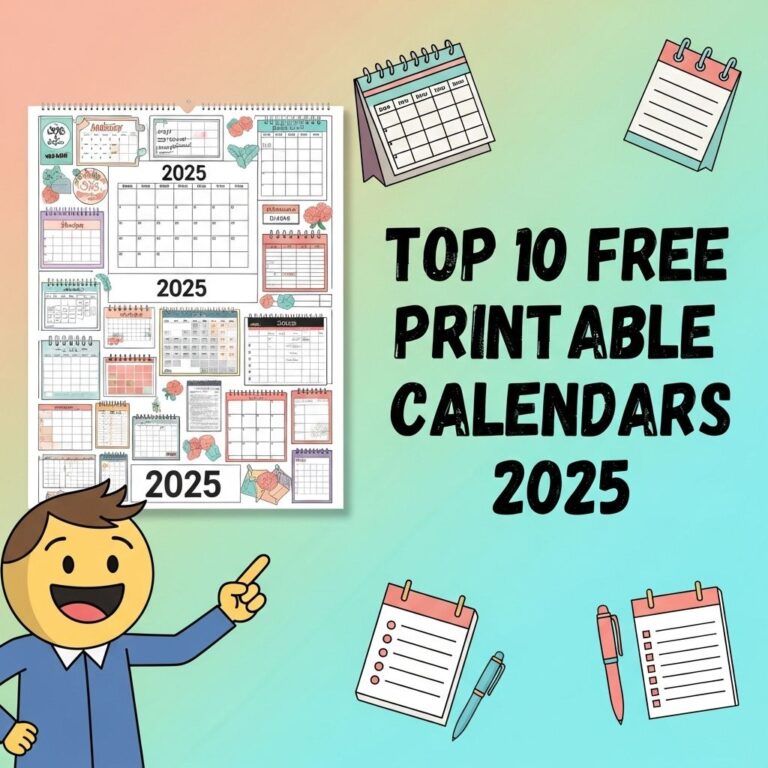
Step 5: Create a Content Calendar Template
Create a calendar template that helps you visualize your posts over the year. Here’s what to include in your template:
- Date of the post
- Platform
- Content type
- Post copy
- Visual assets
- Links or hashtags
Step 6: Schedule Your Posts
Use social media management tools like Hootsuite, Buffer, or Sprout Social to schedule your posts. Benefits of scheduling include:
- Consistent posting frequency.
- More time for interaction with your audience.
- Ability to analyze the best performing times for engagement.
Step 7: Monitor and Adjust Your Strategy
Once your calendar is set and posts are scheduled, it’s vital to monitor their performance. Use analytics tools provided by each platform to track:
- Engagement rates
- Click-through rates
- Conversion rates
- Follower growth
Regularly review your performance metrics and adjust your content strategy accordingly to maximize results.
Tips for Success
Creating a successful social media calendar involves more than just filling in dates. Here are some tips:
- Stay Flexible: Social media trends can shift quickly, so be ready to pivot your content strategy as necessary.
- Engage Authentically: Respond to comments and messages promptly to foster community and show you value your audience.
- Experiment: Don’t hesitate to try new formats, such as live videos or IG stories, to see what resonates with your audience.
Conclusion
Creating a social media calendar for 2025 is an investment in your online presence. By planning ahead and utilizing the steps outlined in this article, you will enhance your chances of standing out in a crowded digital landscape. Consistency, engagement, and adaptability are key to ensuring your social media strategy is effective and fulfilling your goals. Start planning today, and watch your social media presence flourish in the coming year!
FAQ
What is a social media calendar?
A social media calendar is a planning tool that helps you schedule and organize your social media posts in advance, ensuring consistent content delivery.
Why should I create a social media calendar for 2025?
Creating a social media calendar for 2025 allows you to strategize your content, maintain engagement with your audience, and align your posts with important dates and events.
What key elements should I include in my 2025 social media calendar?
Key elements to include are post dates, content themes, target audience, platforms to use, and any relevant hashtags or links.
How can I determine the best times to post on social media?
You can determine the best times to post by analyzing your audience’s online activity, reviewing platform analytics, and experimenting with different posting times.
What tools can I use to create my social media calendar?
Popular tools for creating a social media calendar include Google Calendar, Trello, Buffer, and Hootsuite, which offer features for scheduling and collaboration.
How often should I update my social media calendar?
You should update your social media calendar regularly, ideally on a monthly or quarterly basis, to adapt to changing trends and audience preferences.