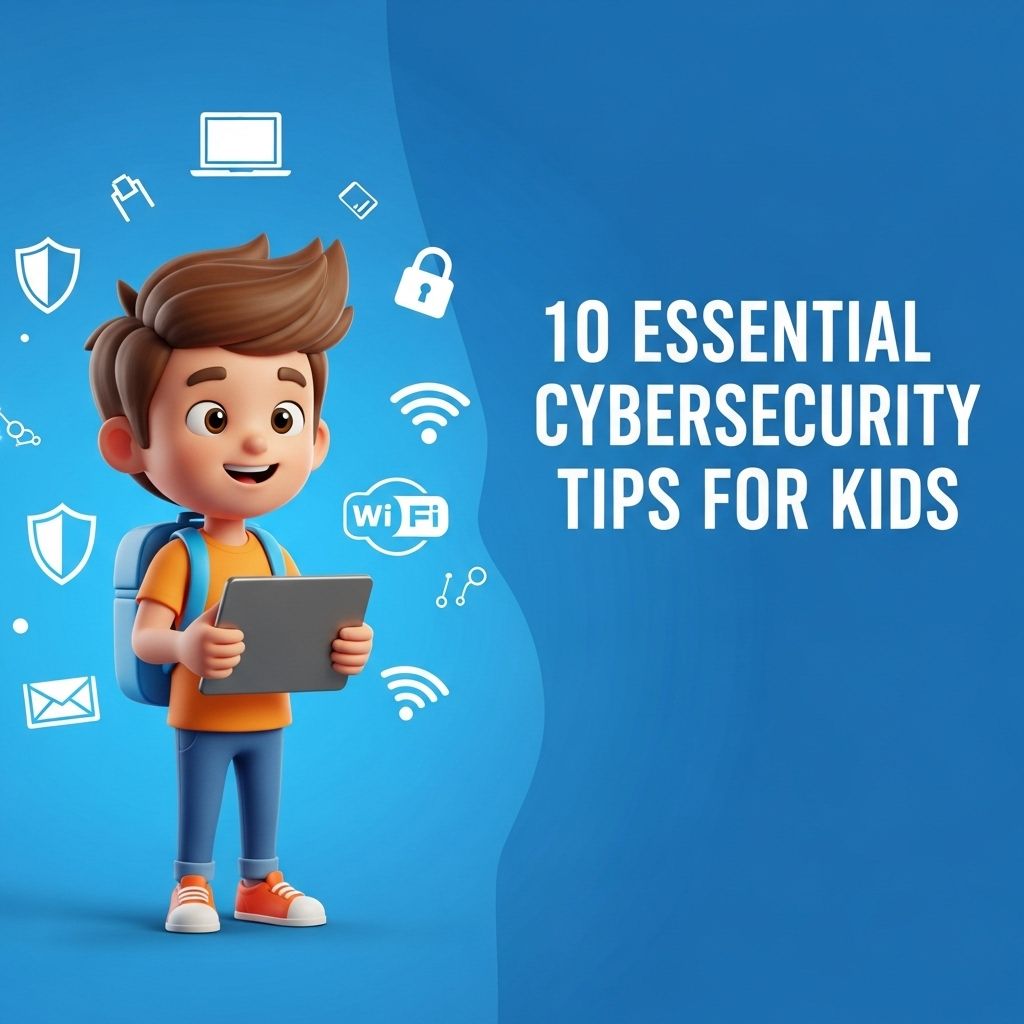
In today’s digital age, children are exposed to technology at an early age, making it essential to teach them about cybersecurity. With the rise of online threats, it’s crucial for kids to understand how to protect themselves while navigating the internet. This guide will provide ten essential cybersecurity tips that every child should know to stay safe online.
In today’s digital age, it’s crucial for kids to understand the basics of cybersecurity to help protect themselves online. From recognizing potential threats to practicing safe browsing habits, these 10 essential cybersecurity tips will empower young internet users to navigate the web safely. For a creative break, check out these beer label design ideas.
Table of Contents
Understanding Cybersecurity
Before diving into the tips, it’s important to understand what cybersecurity entails. Cybersecurity refers to the practice of protecting computers, networks, programs, and data from unauthorized access, attacks, or damage. In simple terms, it’s about keeping personal information safe.
Why Cybersecurity Matters for Kids
As children engage with technology, they may encounter various online threats, including:
- Cyberbullying
- Phishing scams
- Inappropriate content
- Identity theft
Teaching kids about cybersecurity equips them with the tools they need to navigate the digital world safely.
Tip 1: Use Strong Passwords
One of the most basic yet vital cybersecurity practices is the creation of strong passwords. A strong password:
- Contains at least 12 characters
- Includes a mix of uppercase and lowercase letters, numbers, and symbols
- Avoids easily guessable information like names or birthdays
Example of a Strong Password: G7t!p9R#jH3z@q
Tip 2: Never Share Personal Information
Children should be taught to avoid sharing personal information online. This includes:
- Full name
- Home address
- Phone number
- School name
- Passwords
Explain to kids that sharing this information can lead to dangerous situations.
Tip 3: Be Cautious with Friend Requests
It’s important for kids to understand the dangers of accepting friend requests from strangers on social media platforms. They should only connect with people they know personally.
Red Flags to Watch For
- Profiles with no pictures or vague information
- Friend requests from unknown people
- Messages that seem too good to be true
Tip 4: Use Privacy Settings
Encourage kids to use privacy settings on social media accounts and apps. These settings can help control who sees their information and posts. Parents can assist in setting these up to ensure maximum privacy.
Tip 5: Think Before Clicking
Teach children to think critically before clicking on links or downloading attachments, especially from unknown sources. This helps to prevent malware infections and phishing attempts.
Identifying Suspicious Links
Look for:
- Unusual URLs
- Misspellings or grammatical errors
- Urgent calls to action
Tip 6: Talk About Cyberbullying
Cyberbullying is a serious issue that can significantly impact a child’s well-being. Encourage an open dialogue about what cyberbullying is, how to recognize it, and what to do if they are targeted.
Steps to Take if Encountering Cyberbullying
- Do not respond to the bully.
- Block the bully on the platform.
- Report the incident to a trusted adult.
- Keep evidence of the bullying (screenshots, etc.).
Tip 7: Avoid Public Wi-Fi for Sensitive Activities
Using public Wi-Fi networks can pose risks, especially for activities like online banking or shopping. Encourage kids to avoid accessing sensitive accounts when connected to public Wi-Fi.
Safe Alternatives
If they must use public Wi-Fi, they should:
- Use a Virtual Private Network (VPN)
- Stick to browsing safe websites (https://)
Tip 8: Keep Software Updated
Regular software updates can patch vulnerabilities that cybercriminals exploit. Remind kids (and parents) to keep their devices, apps, and antivirus software updated.
Creating an Update Schedule
| Device/App | Update Frequency |
|---|---|
| Operating Systems | Monthly |
| Antivirus Software | Weekly |
| Apps | As Available |
Tip 9: Remember the Importance of Digital Footprints
Every action online leaves a digital footprint. Teach children to be mindful of what they post and share. These footprints can impact their future opportunities.
Tip 10: Report Suspicious Activity
Encourage kids to report any suspicious online activity to a parent or guardian. This could include:
- Unsolicited messages from strangers
- Inappropriate content
- Weird behavior from friends online
By fostering an environment where children feel comfortable discussing online experiences, parents can help them navigate the digital landscape safely.
Conclusion
As technology continues to evolve, so do the methods used by cybercriminals. It’s essential for parents to educate their children about cybersecurity to ensure their safety online. By following these ten essential tips, kids can enjoy the benefits of technology while minimizing their risks. Remember, cybersecurity is a shared responsibility, and vigilance can go a long way in keeping our children safe in the digital world.
FAQ
What are some basic cybersecurity tips for kids?
Kids should use strong passwords, avoid sharing personal information online, and be cautious of suspicious emails or messages.
How can kids recognize online scams?
Teach kids to look for signs like poor spelling, urgent requests for information, and unfamiliar senders to identify potential scams.
Why is it important for kids to keep their software updated?
Regular software updates help protect devices from security vulnerabilities and ensure they have the latest features.
What should kids do if they encounter cyberbullying?
Encourage kids to report cyberbullying to a trusted adult and to block the bully on social media platforms.
How can kids stay safe while using social media?
Kids should set their profiles to private, only accept friend requests from people they know, and think carefully before posting.
What role do parents play in their kids’ online safety?
Parents should engage in open conversations about online safety, set rules for internet use, and monitor their children’s online activities.