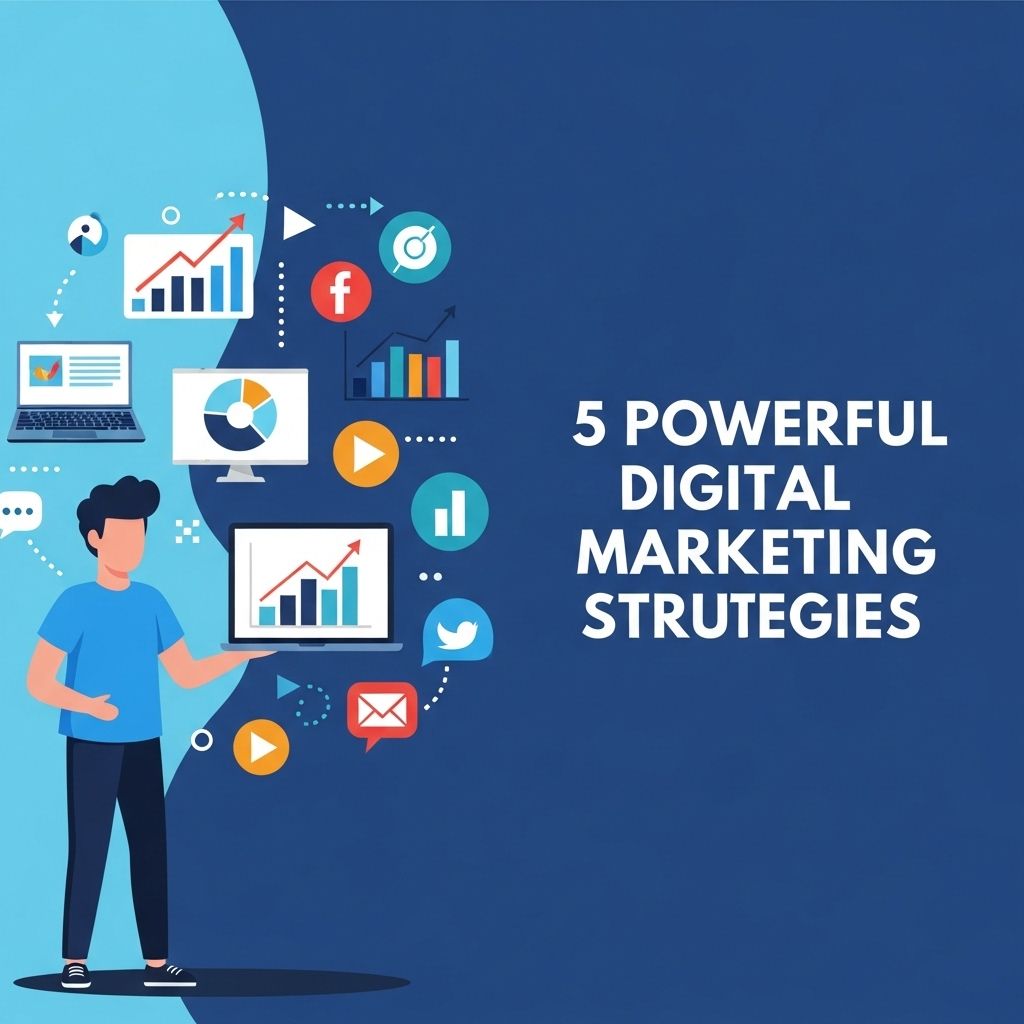
In today’s fast-paced digital landscape, businesses must adapt and evolve their marketing strategies to stay competitive. Digital marketing offers a multitude of avenues to reach potential customers, increase brand awareness, and drive sales. With so many options available, it can be daunting to choose the right methods for your business. This article explores five powerful digital marketing strategies that can help elevate your brand and maximize your online presence.
In the rapidly evolving world of digital marketing, implementing effective strategies is crucial for standing out. Whether you’re aiming to enhance your brand’s visibility or engage your audience creatively, exploring diverse approaches can lead to remarkable results. For example, check out these beer label design ideas to inspire your branding efforts.
Table of Contents
1. Search Engine Optimization (SEO)
SEO is the process of optimizing your website to improve its visibility on search engine results pages (SERPs). By enhancing your site’s rankings, you can attract organic traffic and increase your chances of converting visitors into customers.
Key Components of SEO
- Keyword Research: Identify relevant keywords that your target audience is searching for.
- On-Page Optimization: Optimize title tags, meta descriptions, headers, and content for target keywords.
- Technical SEO: Ensure your website is mobile-friendly, fast, and has a clean URL structure.
- Link Building: Acquire high-quality backlinks from reputable sites to boost your domain authority.
Benefits of SEO
- Cost-effective long-term strategy.
- Increased visibility and brand credibility.
- Higher click-through rates compared to paid ads.
- Better user experience through optimized content.
2. Content Marketing
Content marketing focuses on creating and distributing valuable, relevant content to attract and engage a target audience. This strategy not only helps in building brand authority but also aids in improving SEO.
Types of Content
| Type | Description |
|---|---|
| Blog Posts | Informative articles that address the interests and pain points of your audience. |
| Videos | Engaging visual content that can be shared on multiple platforms. |
| Infographics | Visual representations of information that simplify complex data. |
| E-books | In-depth resources that provide substantial value to readers. |
Content Marketing Tips
- Define your audience personas to tailor your content effectively.
- Maintain a consistent publishing schedule to build trust.
- Promote your content across various channels, including social media.
3. Social Media Marketing
Social media platforms provide an excellent opportunity for businesses to engage with their audience, promote their products, and build a community around their brand. Each platform offers unique features and caters to different demographics.
Choosing the Right Platforms
- Facebook: Great for businesses targeting a broad audience.
- Instagram: Ideal for visual brands and younger demographics.
- LinkedIn: Best for B2B marketing and professional networking.
- Twitter: Effective for real-time engagement and updates.
Best Practices for Social Media Marketing
- Engage with your audience by responding to comments and messages.
- Use hashtags strategically to increase reach and visibility.
- Run targeted paid advertising campaigns to boost specific posts.
4. Email Marketing
Email marketing remains one of the most effective channels for reaching customers directly. It allows businesses to communicate personalized messages and offers, keeping their audience informed and engaged.
Building an Email List
- Utilize website sign-up forms to capture leads.
- Offer incentives such as discounts or exclusive content to encourage sign-ups.
- Segment your audience for tailored messaging based on their interests.
Effective Email Campaigns
- Craft compelling subject lines to improve open rates.
- Use engaging visuals and clear calls-to-action.
- Analyze performance metrics to adjust and improve future campaigns.
5. Pay-Per-Click Advertising (PPC)
PPC advertising allows businesses to place ads on search engines and social media platforms, paying only when users click on their ads. This strategy provides immediate visibility and can be highly targeted.
Key Elements of PPC
- Keyword Selection: Choose relevant keywords that align with your advertising goals.
- Ad Quality: Write compelling ad copy with clear calls-to-action.
- Landing Page Optimization: Ensure your landing pages are relevant and optimized for conversions.
PPC Best Practices
- Regularly monitor and adjust your campaigns based on performance data.
- Utilize A/B testing to find the most effective ad variations.
- Set a budget and stick to it to avoid overspending.
Conclusion
Implementing these five powerful digital marketing strategies can significantly enhance your online presence and drive business growth. Remember, the key to success in digital marketing is not just about using these strategies but also about continuously analyzing performance and adapting to the ever-evolving digital landscape. By staying informed and flexible, your business can thrive in the competitive world of digital marketing.
FAQ
What are the most effective digital marketing strategies?
The most effective digital marketing strategies include search engine optimization (SEO), content marketing, social media marketing, email marketing, and pay-per-click (PPC) advertising.
How can SEO improve my digital marketing efforts?
SEO improves your digital marketing efforts by increasing your website’s visibility on search engines, driving organic traffic, and enhancing user experience, leading to higher conversion rates.
What role does content marketing play in digital marketing?
Content marketing plays a crucial role in digital marketing by creating valuable and relevant content that attracts and engages your target audience, ultimately driving profitable customer actions.
Why is social media marketing important for businesses?
Social media marketing is important for businesses as it helps build brand awareness, engage with customers directly, and drive traffic to your website, enhancing overall marketing effectiveness.
What is the impact of email marketing on customer retention?
Email marketing has a significant impact on customer retention by allowing businesses to communicate directly with customers, provide personalized offers, and keep them informed about new products and promotions.
How can I measure the success of my digital marketing strategies?
You can measure the success of your digital marketing strategies through various metrics such as website traffic, conversion rates, engagement rates on social media, email open and click-through rates, and return on investment (ROI).