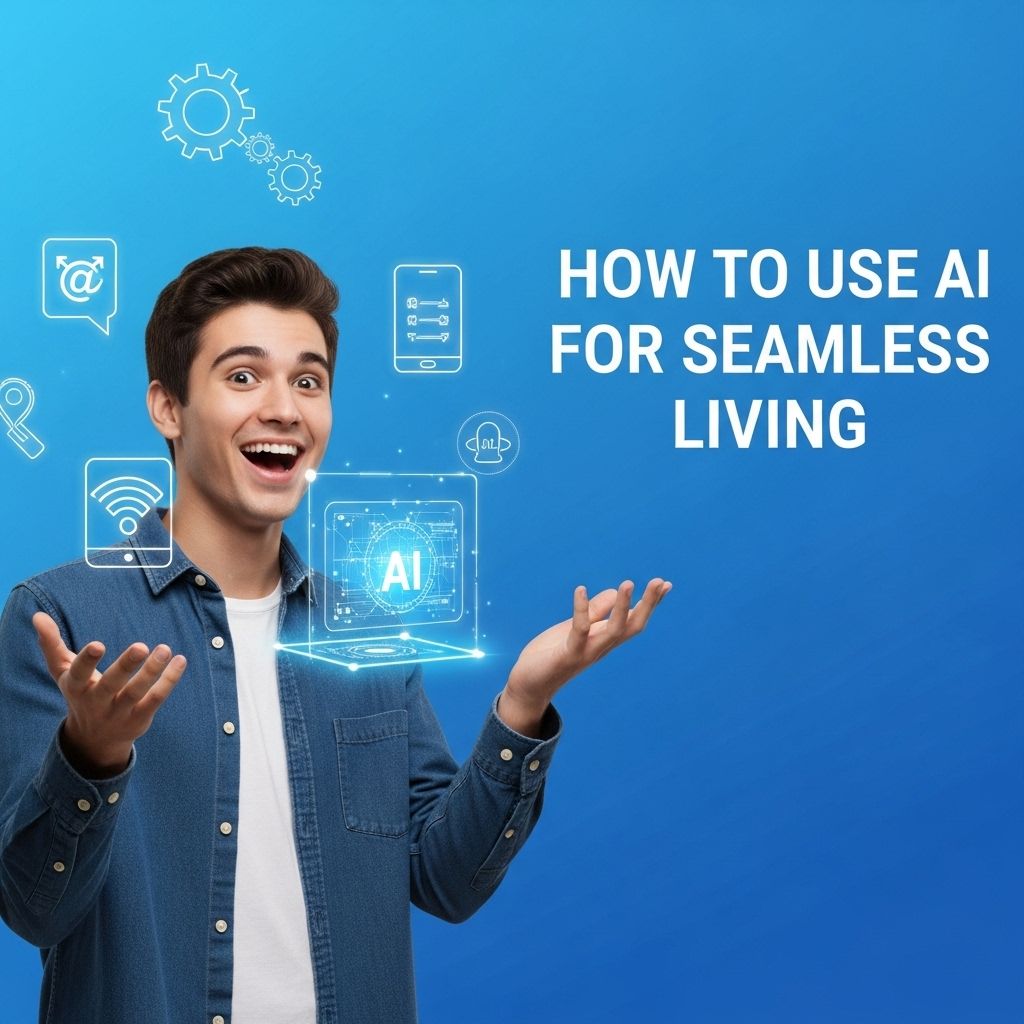
In today’s fast-paced world, the integration of artificial intelligence (AI) into our daily lives has transformed the way we live, work, and interact with technology. From smart home devices to personalized digital assistants, AI is enabling a seamless living experience that enhances convenience, efficiency, and comfort. In this article, we’ll explore various ways to utilize AI for a more streamlined lifestyle, focusing on smart homes, health monitoring, and productivity tools.
In today’s fast-paced world, harnessing AI for effortless living can revolutionize how we manage daily tasks and enhance our personal lives. By leveraging smart technologies, individuals can streamline their routines, ensuring more time for relaxation and creativity. Explore unique concepts, like beer branding mockups, that illustrate the fusion of technology and lifestyle.
Table of Contents
Smart Home Automation
One of the most significant advancements brought by AI is the evolution of smart home technology. These systems allow for automation and remote control of appliances, lighting, security, and even temperature management. Here are some key components:
1. Smart Assistants
Devices like Amazon Echo, Google Nest, and Apple HomePod serve as the central hub for controlling other smart devices using voice commands. Consider the following benefits:
- Voice Control: Easily manage your home environment with simple voice commands.
- Integration: Connect multiple devices from different manufacturers into one ecosystem.
- Routine Automation: Set daily routines that automatically trigger multiple actions at once.
2. Smart Lighting
Smart lighting systems can adjust brightness and colors based on your preferences and routines. Key features include:
- Remote Control: Manage lights from anywhere via your smartphone.
- Energy Efficiency: Save energy with automated schedules and brightness adjustments.
- Customization: Create mood lighting tailored to different activities.
3. Security Systems
AI-enhanced security systems can monitor your home for unusual activity, providing peace of mind. Features include:
- Facial Recognition: Identify known faces and alert homeowners of strangers.
- Real-Time Alerts: Receive instant notifications about suspicious activity.
- Remote Monitoring: Access live feeds from security cameras via apps.
Health Monitoring and Wellness
AI plays a crucial role in personal health management, making it easier to track and improve wellness. Consider these applications:
1. Wearable Devices
Smartwatches and fitness bands equipped with AI can monitor vital signs, activity levels, and sleep patterns. Benefits include:
- Health Insights: Analyze trends in your physical activity and health data.
- Personalized Recommendations: Receive tailored suggestions based on your health metrics.
- Emergency Alerts: Automatically alert emergency contacts in case of critical health issues.
2. AI in Telehealth
The rise of telehealth services powered by AI is making healthcare more accessible. Key advantages include:
- Virtual Consultations: Consult with healthcare providers from the comfort of your home.
- Symptom Checkers: Use AI tools to assess symptoms and suggest next steps.
- Remote Monitoring: Track chronic conditions through connected devices and apps.
Enhancing Productivity with AI
AI tools can streamline workflows, improving productivity in both personal and professional settings. Here are some effective methods:
1. Task Automation
Utilize AI to automate repetitive tasks, allowing more time for important activities. Examples include:
- Email Filtering: AI tools can prioritize important emails, saving time.
- Data Entry: Automate data collection and entry with machine learning systems.
- Scheduling: Use AI apps to find optimal meeting times based on participants’ availability.
2. Smart Note-taking
AI-powered note-taking tools can enhance learning and retention. Consider the following features:
- Transcription: Automatically transcribe spoken notes into text.
- Smart Summarization: Generate summaries of lengthy documents or meetings.
- Organizational Tools: Tag and categorize notes for easier retrieval.
3. AI in Project Management
Project management platforms equipped with AI can assist in resource allocation and deadline management. Key features include:
- Predictive Analytics: Analyze project data to forecast outcomes and identify risks.
- Task Assignment: Automatically assign tasks based on team members’ skills and availability.
- Progress Tracking: Monitor project milestones and make data-driven adjustments.
AI in Everyday Tasks
AI can simplify various everyday tasks, allowing us to focus on what truly matters. Here are some examples:
1. Smart Shopping
AI-driven recommendation engines can enhance your shopping experience. Benefits include:
- Personalized Suggestions: Receive product recommendations based on your past purchases and preferences.
- Price Comparison: AI tools can automatically compare prices across platforms to find the best deals.
- Virtual Try-Ons: Use AR and AI technology to visualize how products will look before purchase.
2. Language Translation
AI-powered translation apps make communication easier across languages. Key advantages include:
- Real-Time Translation: Instantly translate spoken words or text during conversations.
- Language Learning: Use AI tools to practice pronunciation and grammar.
- Cultural Context: Understand local nuances and expressions for better communication.
Challenges and Considerations
While AI offers numerous benefits for seamless living, it’s essential to be aware of potential challenges:
1. Privacy Concerns
With increased data collection, privacy becomes a significant issue. Consider these points:
- Be vigilant about the data you share and with whom.
- Regularly review privacy settings on devices and applications.
- Stay informed about data protection regulations.
2. Dependence on Technology
Over-reliance on AI can lead to diminished problem-solving skills. To counteract this:
- Balance technology use with traditional methods.
- Encourage critical thinking and creativity in everyday tasks.
- Engage in activities that promote mental agility.
Conclusion
Integrating AI into daily life offers incredible opportunities for enhancing convenience and productivity. From smart homes to health monitoring and beyond, the applications of AI are diverse and impactful. Embracing these technologies can lead to a more seamless living experience, but it’s important to remain mindful of privacy concerns and maintain a healthy balance between technology use and traditional skills. As we move forward, the synergy between human intelligence and AI will shape a more efficient and comfortable future.
FAQ
What are the benefits of using AI for daily tasks?
AI can automate repetitive tasks, manage schedules, and provide personalized recommendations, making daily life more efficient and organized.
How can AI improve home automation?
AI can enhance home automation by integrating smart devices to control lighting, heating, security, and appliances, allowing for a smarter and more convenient living environment.
What role does AI play in health and wellness?
AI can assist in health tracking, personalized fitness plans, and meal recommendations, helping individuals maintain a healthier lifestyle.
Can AI help with financial management?
Yes, AI can analyze spending patterns, suggest savings strategies, and even assist in budgeting, making financial management easier.
How does AI enhance communication in daily life?
AI-powered tools can streamline communication through smart assistants, language translation, and automated responses, fostering better connections.
What are some examples of AI applications for seamless living?
Examples include virtual assistants like Alexa or Google Assistant, smart home devices, AI-driven personal finance apps, and health monitoring wearables.