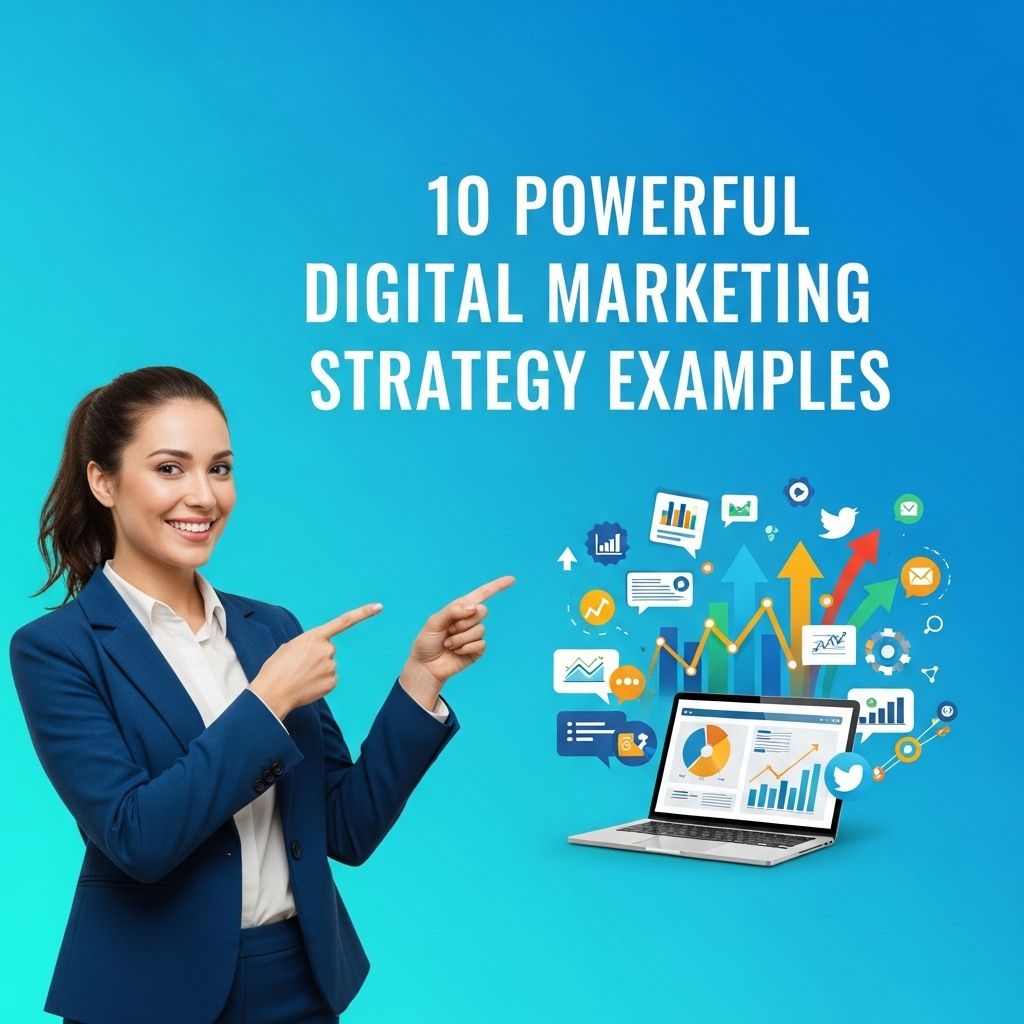
In today’s hyper-connected world, effective digital marketing strategies are essential for businesses to thrive. The digital landscape is constantly evolving, and marketers must stay ahead of the curve to capture the attention of their target audience. This article explores ten powerful digital marketing strategy examples that have proven successful across various industries, showcasing innovative tactics that drive engagement, lead generation, and brand loyalty.
In the ever-evolving landscape of digital marketing, implementing the right strategies can significantly enhance your brand’s visibility and engagement. From leveraging social media algorithms to optimizing content for search engines, the possibilities are vast. To inspire your next campaign, explore these mockup tube examples that can help visualize your ideas.
Table of Contents
1. Content Marketing
Content marketing is a foundational strategy that involves creating and distributing valuable content to attract and engage a specific audience. It builds trust and establishes authority in your niche. Here are some effective practices:
- Blogging: Regularly publishing blog posts that address customer pain points and interests.
- Video Content: Utilizing platforms like YouTube to share tutorials, product reviews, or customer testimonials.
- Infographics: Creating visually appealing graphics that condense complex information into digestible formats.
Example: HubSpot
HubSpot is renowned for its content marketing efforts, consistently providing high-quality resources that help businesses grow. Their extensive library of eBooks, webinars, and articles not only drives traffic but also generates leads through gated content.
2. Search Engine Optimization (SEO)
SEO is the practice of optimizing a website to rank higher in search engine results. This involves on-page, off-page, and technical optimization techniques. Key components include:
- Keyword Research: Identifying the keywords and phrases that potential customers use to search for products or services.
- On-Page SEO: Optimizing title tags, meta descriptions, and headers, along with creating high-quality content.
- Link Building: Acquiring backlinks from reputable sites to improve authority and visibility.
Example: Moz
Moz effectively utilizes SEO by producing valuable resources and tools that help marketers improve their search visibility. Their blog and community forum foster engagement, positioning them as experts in the field.
3. Social Media Marketing
Social media is a powerful platform for brands to engage with their audience, share content, and promote products. A solid strategy includes:
- Creating Shareable Content: Posts that resonate with users and encourage sharing.
- Paid Advertising: Utilizing targeted ads on platforms like Facebook, Instagram, and LinkedIn to reach specific demographics.
- Community Engagement: Actively interacting with followers through comments, polls, and live sessions.
Example: Nike
Nike leverages social media to share inspiring stories, showcase products, and engage with their audience through innovative campaigns such as the ‘Dream Crazy’ campaign featuring Colin Kaepernick.
4. Email Marketing
Email marketing remains one of the most effective channels for nurturing leads and retaining customers. Key strategies include:
- Segmenting Audiences: Tailoring messages based on subscriber behavior and preferences.
- Personalization: Using the recipient’s name and relevant content to increase engagement.
- Automated Campaigns: Setting up drip campaigns to nurture leads over time.
Example: Airbnb
Airbnb employs email marketing to send personalized travel recommendations to users based on their browsing history and preferences, enhancing user experience and encouraging bookings.
5. Pay-Per-Click (PPC) Advertising
PPC advertising allows businesses to drive traffic to their websites through paid search ads. This model is cost-effective and can yield quick results. Key elements include:
- Targeting Specific Keywords: Ensuring ads appear when users search for relevant terms.
- Landing Page Optimization: Creating dedicated landing pages that convert visitors into leads or customers.
- A/B Testing: Continuously testing ad copies and designs to optimize performance.
Example: WordStream
WordStream’s PPC campaigns focus on educating potential customers about the benefits of their advertising software, utilizing targeted keywords to capture leads searching for PPC solutions.
6. Influencer Marketing
Collaborating with influencers can amplify your brand’s reach and credibility. When executed properly, influencer marketing can yield impressive results. Consider these practices:
- Choosing the Right Influencers: Selecting individuals whose audience aligns with your target market.
- Authenticity: Encouraging influencers to create genuine content that resonates with their followers.
- Long-Term Partnerships: Building ongoing relationships with influencers for sustained promotion.
Example: Daniel Wellington
Daniel Wellington successfully utilized influencer marketing by sending their watches to social media influencers, who showcased the products in authentic settings, significantly boosting brand visibility.
7. Video Marketing
Video marketing is rapidly gaining traction as a preferred content format for audiences. Key strategies include:
- Creating Tutorial Videos: Helping customers understand how to use your products effectively.
- Behind-the-Scenes Content: Offering a glimpse into your company culture and processes.
- Live Streaming: Engaging with audiences in real-time through Q&A sessions or product launches.
Example: GoPro
GoPro uses video marketing to showcase stunning footage captured by their cameras, inspiring users to share their own adventures and creations, thus fostering a community around their brand.
8. Affiliate Marketing
Affiliate marketing is a performance-based strategy where businesses reward affiliates for generating traffic or sales through their marketing efforts. This model is mutually beneficial and scalable. Consider:
- Finding Quality Affiliates: Partnering with individuals or platforms that align with your brand values.
- Providing Resources: Supplying affiliates with promotional materials to support their efforts.
- Tracking Performance: Using analytics to measure the effectiveness of affiliate campaigns.
Example: Amazon Associates
Amazon’s affiliate program allows anyone to promote products and earn commissions on sales. This has resulted in a vast network of affiliates driving significant traffic to Amazon’s platform.
9. Webinars and Online Events
Hosting webinars or virtual events can engage your audience and establish your brand as an authority. Effective strategies include:
- Offering Valuable Insights: Providing educational content that addresses audience needs.
- Interactive Elements: Encouraging participation through Q&A sessions or polls.
- Follow-Up Engagement: Sending recorded sessions and additional resources to attendees.
Example: Salesforce
Salesforce regularly hosts webinars that offer insights into industry trends, helping to build their reputation as thought leaders while capturing leads for their sales team.
10. Customer Experience Personalization
Personalizing the customer experience is crucial to retaining customers and encouraging repeat business. Strategies include:
- Behavioral Targeting: Utilizing customer data to tailor offerings based on past behavior.
- Customized Recommendations: Suggesting products based on user preferences and previous purchases.
- Feedback Loops: Implementing systems to gather and act on customer feedback promptly.
Example: Netflix
Netflix excels in personalization by using algorithms to recommend shows and movies based on viewing history, significantly increasing user engagement and satisfaction.
Conclusion
In the ever-changing digital landscape, employing a mix of these powerful digital marketing strategies can significantly impact your brand’s growth and visibility. By understanding your audience and leveraging innovative techniques, businesses can engage effectively and foster lasting relationships with customers. As the digital realm continues to evolve, staying adaptable and forward-thinking is key to sustaining success.
FAQ
What are some effective digital marketing strategies?
Effective digital marketing strategies include content marketing, social media marketing, search engine optimization (SEO), email marketing, pay-per-click advertising (PPC), and influencer partnerships.
How can content marketing enhance my digital strategy?
Content marketing enhances your digital strategy by creating valuable and relevant content that attracts and engages your target audience, driving traffic and conversions.
What role does SEO play in digital marketing?
SEO plays a crucial role in digital marketing by optimizing your website and content to improve visibility on search engines, resulting in increased organic traffic.
Why is social media marketing important?
Social media marketing is important because it allows brands to connect with their audience, share content, and promote products or services in an interactive way.
How can email marketing boost customer engagement?
Email marketing boosts customer engagement by delivering personalized content directly to subscribers, fostering relationships and encouraging repeat business.
What is the impact of PPC advertising on sales?
PPC advertising can significantly impact sales by driving targeted traffic to your website quickly, allowing for immediate visibility and potential conversions.