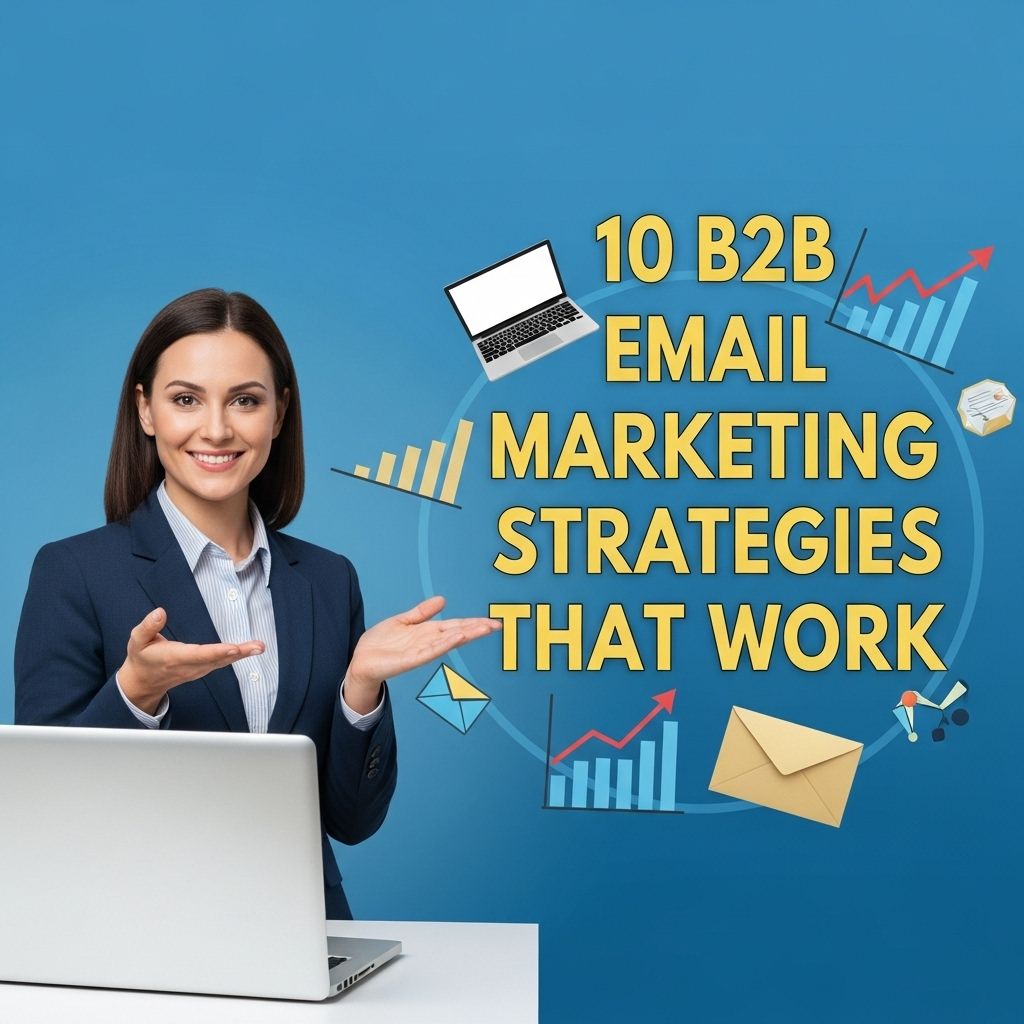
Email marketing remains a cornerstone of B2B communication, providing a direct line to potential clients and existing customers alike. In an era dominated by automation and digital marketing, the importance of effective email strategies cannot be overstated. This article explores ten proven B2B email marketing strategies that not only help in engaging your audience but also facilitate conversions and strengthen relationships.
In the competitive landscape of B2B marketing, leveraging effective email strategies can significantly enhance engagement and drive results. By implementing proven methods tailored specifically for businesses, companies can foster stronger relationships and improve conversions. For inspiration, you can explore free beer graphics that can make your emails visually appealing.
Table of Contents
1. Segment Your Audience
Segmentation is the practice of dividing your email list into specific groups based on demographics, behavior, or purchase history. This allows you to send targeted messages that resonate with your audience’s unique needs.
Benefits of Segmentation
- Improved open rates
- Higher engagement levels
- Increased conversion rates
2. Personalize Your Emails
Generic emails can feel impersonal. Personalization goes beyond just including the recipient’s name; it involves crafting messages based on their interests, behaviors, and previous interactions with your brand.
Techniques for Personalization
- Use dynamic content that changes based on the recipient’s profile.
- Include tailored product recommendations.
- Send birthday and anniversary greetings to strengthen bonds.
3. Craft Compelling Subject Lines
Your subject line is the first impression you make in an inbox. A compelling subject line can significantly boost your open rates. Here are some tips:
- Keep it short and sweet (50 characters or fewer).
- Create urgency with time-sensitive language.
- Use questions to pique curiosity.
4. A/B Testing for Optimization
A/B testing (or split testing) involves sending two variations of your email to see which performs better. This could include different subject lines, content formats, or call-to-action buttons.
Key Metrics to Analyze
| Metric | Importance |
|---|---|
| Open Rate | Indicates how well your subject line worked. |
| Click-Through Rate | Measures engagement with your content. |
| Conversion Rate | Shows the success of your email in generating leads or sales. |
5. Use Drip Campaigns
Drip campaigns are automated sets of emails sent on a schedule. They are effective in nurturing leads and guiding prospects through the sales funnel.
Elements of a Successful Drip Campaign
- Welcome emails to introduce your brand.
- Follow-ups that provide valuable information.
- Promotional offers at the right time in the buyer’s journey.
6. Provide Valuable Content
Your emails should offer more than just advertisements; they should be a source of value. High-quality content establishes your authority and keeps your audience engaged.
Types of Content to Include
- Industry insights and trends
- How-to guides and webinars
- Case studies showcasing your success
7. Optimize for Mobile Devices
With a significant portion of emails being opened on mobile devices, ensuring your emails are mobile-friendly is critical. This includes responsive design, concise content, and clear CTAs.
Best Practices for Mobile Optimization
- Use a single-column layout for easy reading.
- Make buttons large enough to tap easily.
- Ensure text is legible without zooming.
8. Maintain a Consistent Schedule
Consistency in email marketing keeps your brand top-of-mind for your audience. Establish a regular communication schedule, whether it’s weekly, bi-weekly, or monthly.
Finding the Right Frequency
Be mindful of your audience’s preferences to avoid overwhelming them. You can survey your audience to determine how often they would like to hear from you.
9. Monitor and Analyze Performance
Regularly reviewing your email performance metrics allows you to refine your strategy continually. Key performance indicators (KPIs) to monitor include:
- Delivery Rate
- Open Rate
- Click-Through Rate
- Unsubscribe Rate
10. Leverage Automation and AI
Automation tools save time and ensure that your emails reach the right audience at the right time. Artificial intelligence can also help tailor content based on user behavior and preferences.
Popular Automation Tools
- Mailchimp
- HubSpot
- ActiveCampaign
In conclusion, B2B email marketing is a powerful tool when executed with precision. By implementing these strategies, businesses can enhance their email campaigns, drive engagement, and ultimately achieve higher conversion rates. As you refine your approach, remember that continuous learning and adaptation are key to success in the ever-evolving landscape of digital marketing.
FAQ
What are the most effective B2B email marketing strategies?
Some effective B2B email marketing strategies include personalized content, segmentation of email lists, automated email campaigns, lead nurturing through drip campaigns, utilizing A/B testing, and engaging subject lines.
How can I improve email open rates in B2B marketing?
To improve email open rates, focus on crafting compelling subject lines, personalizing emails for recipients, optimizing send times, and ensuring that your sender name is recognizable.
What role does segmentation play in B2B email marketing?
Segmentation allows you to tailor your messages to specific groups within your audience, ensuring that your content is relevant and increasing the likelihood of engagement.
How often should I send emails to my B2B clients?
The frequency of emails can vary, but a good rule of thumb is to send relevant content at least once a month, while ensuring that you maintain quality over quantity to avoid overwhelming your audience.
What types of content work best for B2B email marketing?
Effective content for B2B email marketing includes industry insights, case studies, whitepapers, product updates, and exclusive offers that provide value to the recipient.
How can I measure the success of my B2B email marketing campaigns?
Success can be measured through key metrics such as open rates, click-through rates, conversion rates, and overall ROI, which provide insights into the effectiveness of your campaigns.