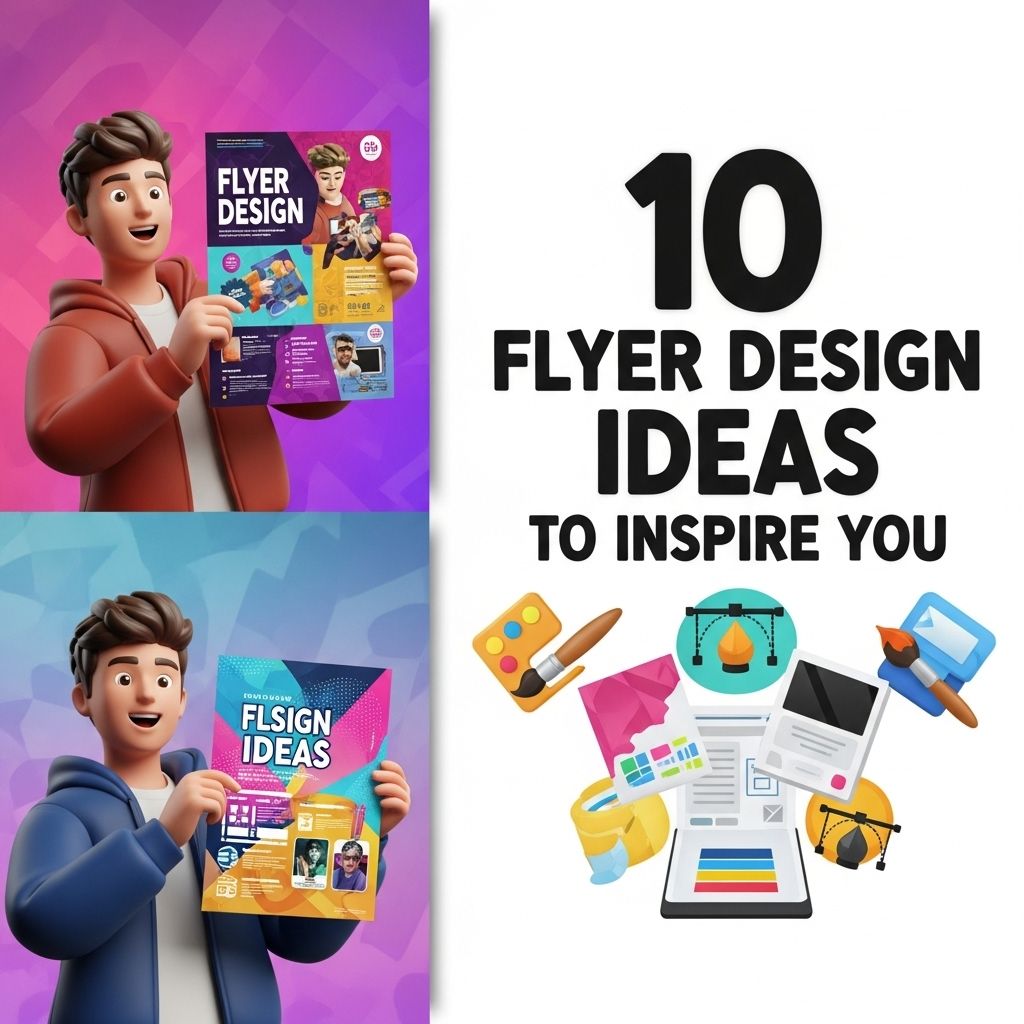
In the world of marketing, flyers remain a timeless and effective way to communicate messages, promote events, or share information. Despite the rise of digital marketing, the tactile nature of printed flyers can create a personal connection that digital ads often lack. For designers looking to create impactful flyers, inspiration can come from various sources. This article explores ten innovative flyer design ideas that can help elevate your marketing materials to engage your audience effectively.
If you’re looking to inject fresh creativity into your marketing materials, exploring unique flyer design ideas can be a great starting point. With a variety of styles and themes, these concepts can help you effectively communicate your message while captivating your audience. For more inspiration, check out these custom flyer designs.
Table of Contents
1. Minimalist Design
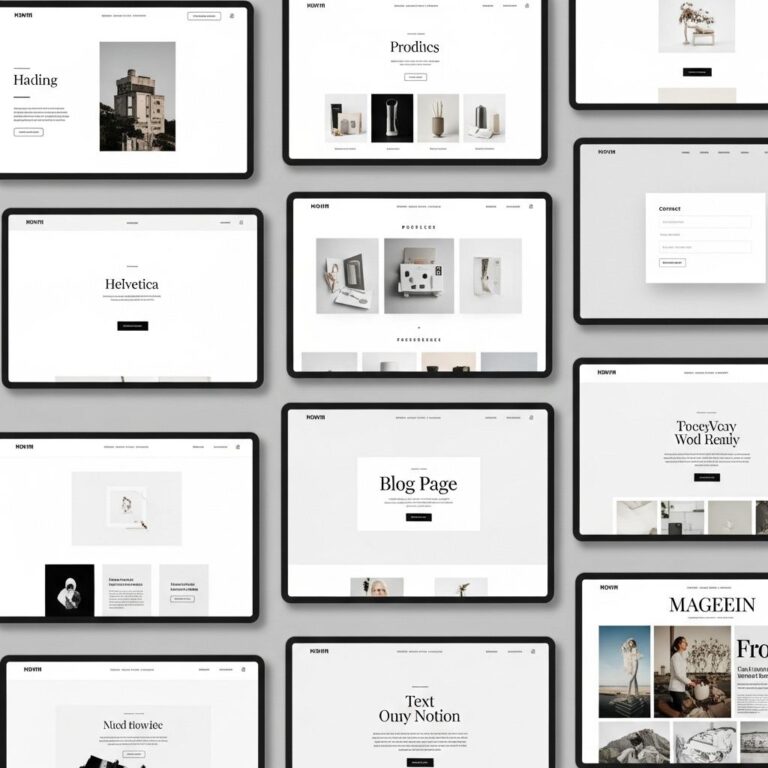
A minimalist approach can often deliver the most powerful message. Utilizing ample white space, simple typography, and a limited color palette, minimalist flyers can create a clean and modern look. Here are key elements:
- Focus on a single message or call to action.
- Use high-quality images as focal points.
- Limit text to essential information only.
2. Bold Typography
Typography can transform a flyer. Choosing bold fonts that stand out can draw attention and create a hierarchy of information. Consider these tips:
- Use contrasting fonts for headings and body text.
- Experiment with size and color to enhance readability.
- Incorporate playful typography to add personality.
Examples of Typography in Flyer Design
| Font Style | Description | Use Case |
|---|---|---|
| Sans Serif | Clean and modern, great for tech-related flyers. | Event promotion, product launches |
| Script | Elegant and flowing, suitable for weddings or upscale events. | Invitations, art showcases |
| Slab Serif | Robust and solid, conveys strength. | Fitness classes, tech products |
3. Interactive Elements
Incorporating interactive elements into your flyer can create an engaging experience. Here are some ideas to consider:
- QR codes that link to websites or social media.
- Scratch-off sections for discounts or secrets.
- Foldable designs that reveal additional information.
4. Eye-Catching Color Schemes
The right color scheme can evoke emotions and grab attention. Utilize contrasting colors to make key information pop. Consider these combinations:
- Blue and orange for a vibrant, energetic feel.
- Black and gold for a luxurious and sophisticated look.
- Pastels for a soft, approachable aesthetic.
Color Psychology in Design
| Color | Emotion | Connotations |
|---|---|---|
| Red | Passion | Urgency, excitement |
| Green | Calm | Nature, health |
| Yellow | Happiness | Optimism, energy |
5. Creative Use of Images
Using images creatively can significantly enhance flyer designs. Consider these techniques:
- Full-background imagery that captures attention.
- Overlapping images for a layered effect.
- Incorporating illustrations instead of traditional photos.
Stock Images vs. Custom Illustrations
While stock images can save time and money, custom illustrations provide a unique touch and help brand identity. Weigh these options carefully based on your target audience and message.
6. Thematic Designs
Aligning your flyer design with a specific theme can create a cohesive look. Consider seasonal themes, cultural events, or specific branding. Examples include:
- Halloween-themed flyers with spooky designs.
- Summer event flyers using bright and playful graphics.
7. Infographic Flyers
Transform a conventional flyer into an infographic to convey complex information visually. This format works well for:
- Statistics or survey results.
- Instructions or guides.
Benefits of Infographic Flyers
- Enhanced understanding at a glance.
- Encourages sharing on social media.
- Visually appealing, which can boost engagement.
8. Vintage Inspiration
Vintage and retro designs can evoke nostalgia and a sense of authenticity. Consider these suggestions when designing:
- Use sepia tones or muted colors.
- Incorporate vintage typography and graphics.
- Utilize textures like grain or paper to enhance the look.
9. Dynamic Layouts
Breaking away from traditional layouts can create an eye-catching design. Experiment with:
- Diagonal lines for movement.
- Asymmetrical layouts for visual interest.
- Layered elements for depth.
10. Personalization and Customization
Lastly, personalized flyers can make recipients feel special. This can include:
- Adding names or tailored messages.
- Using recipient demographics for targeted offers.
- Offering limited-time promotions.
Future of Flyer Design
As technology evolves, the future of flyer design may embrace more digital elements, such as augmented reality. However, the core principles of effective design—clarity, engagement, and a strong message—will always remain essential. By implementing these ten design ideas, you can create flyers that not only look great but also effectively communicate with your audience.
FAQ
What are some creative flyer design ideas?
Consider using bold typography, vibrant colors, and unique layouts. Incorporate illustrations or photography that reflect your message.
How can I make my flyer stand out?
Use eye-catching headlines, limited text, and engaging visuals. Experiment with different formats, like folding or die-cut shapes.
What are the best colors for flyer designs?
Choose colors that resonate with your brand identity. Bright colors can attract attention, while softer tones can convey a more professional vibe.
What information should I include in my flyer?
Include essential details such as the event date, location, contact information, and a clear call to action. Ensure the text is easy to read.
How can I incorporate branding into my flyer design?
Use your brand colors, fonts, and logo consistently. This helps reinforce brand recognition and creates a cohesive look.
What digital tools can I use to design flyers?
Popular tools include Adobe Illustrator, Canva, and Adobe Spark. These platforms offer templates and design elements to simplify the process.