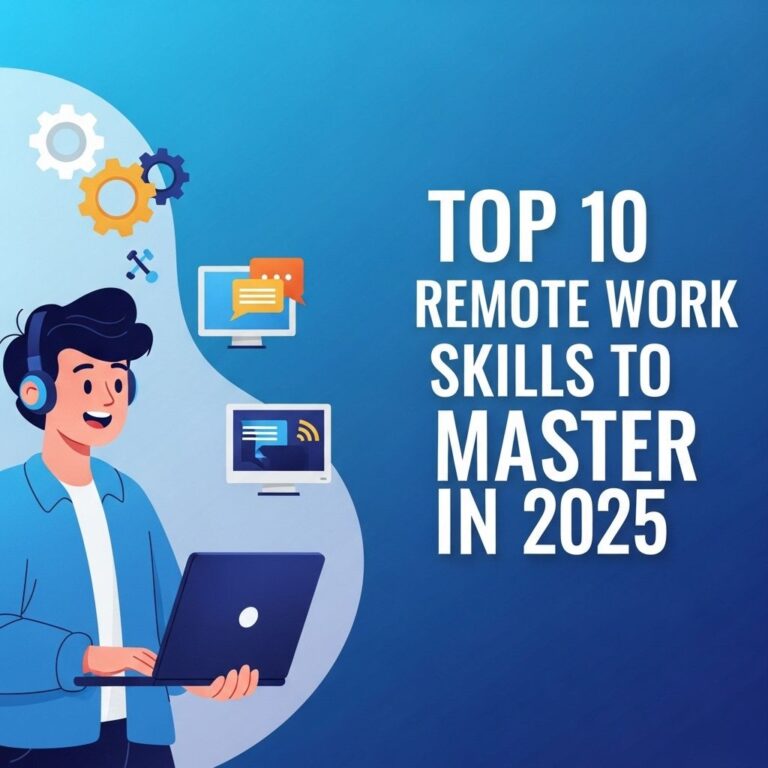
As the landscape of work continues to shift dramatically towards remote settings, the skills necessary to thrive in this environment are evolving as well. With the rise of digital communication tools, project management software, and the changing demands of employers, mastering certain skills has become imperative for professionals aiming to stay relevant and competitive in the job market. This article will delve into the top remote work skills that are essential for success in 2025.
As the landscape of work continues to evolve, mastering essential remote work skills will become increasingly vital for professionals by 2025. Skills such as effective communication, time management, and digital collaboration tools are paramount. For visual aids and resources, you might find valuable assets like custom jar graphics helpful in enhancing presentations or digital portfolios.
Table of Contents
1. Digital Communication Proficiency
Effective communication is the backbone of remote work. Professionals must be adept at using various digital communication tools designed to facilitate clear and efficient interaction. The following skills are crucial:
- Video Conferencing Tools: Master platforms such as Zoom, Microsoft Teams, and Google Meet.
- Instant Messaging: Utilize tools like Slack or Discord for real-time communication.
- Email Etiquette: Develop skills to write concise and professional emails.
Effective Communication Practices
To enhance digital communication, consider the following strategies:
- Use clear and concise language.
- Avoid jargon unless it’s widely understood in your field.
- Be mindful of tone and body language during video calls.
2. Time Management and Self-Discipline
Remote work often means greater flexibility, but it also requires robust self-discipline and time management skills. Here are some techniques to master:
Strategies for Effective Time Management
Consider implementing the following methods:
| Technique | Description |
|---|---|
| Pomodoro Technique | Work in short bursts of 25 minutes followed by a 5-minute break. |
| Time Blocking | Schedule specific blocks of time for different tasks throughout the day. |
| Task Prioritization | Use methods like the Eisenhower Matrix to prioritize tasks. |
3. Adaptability and Flexibility
The ability to adapt to changes is more important than ever in a remote work environment. Professionals should be ready to pivot when necessary, whether it involves adjusting to new technologies or changing project scopes.
Developing a Growth Mindset
Consider these practices to enhance your adaptability:
- Stay updated with industry trends.
- Take online courses to learn new skills.
- Seek feedback and learn from it.
4. Technical Skills
As remote work relies heavily on technology, developing technical skills is essential. Key areas to focus on include:
Essential Technical Skills
Professionals should consider mastering:
- Cloud Computing: Familiarize yourself with platforms like AWS, Google Cloud, or Microsoft Azure.
- Data Analysis: Learn to use tools like Excel, Tableau, or Google Analytics.
- Cybersecurity Practices: Understand basic cybersecurity principles to protect data.
5. Project Management Skills
As teams disperse, effective project management becomes critical. Professionals need to be able to manage projects independently or as part of a remote team. Key skills include:
Familiarity with Project Management Tools
Learn how to use:
- Trello: For task tracking and team collaboration.
- Asana: For workflow management and project planning.
- Jira: For software development project management.
6. Networking and Relationship Building
Building professional relationships can be more challenging in a remote setting. However, it’s essential for career growth. Here’s how to cultivate a strong network:
Effective Networking Strategies
Consider these approaches:
- Join online professional groups related to your industry.
- Engage in virtual networking events or webinars.
- Utilize LinkedIn for connecting with peers.
7. Cultural Competence
In a global remote work environment, understanding cultural differences can enhance collaboration and communication. Key competencies include:
Building Cultural Awareness
Strategies to develop cultural competence:
- Learn about the cultural backgrounds of team members.
- Be mindful of language nuances and regional holidays.
- Respect different communication styles.
8. Emotional Intelligence
Emotional intelligence (EQ) plays a vital role in remote teamwork. Understanding your own emotions and those of others can lead to better collaboration and conflict resolution. Key components include:
Developing High EQ
To enhance your emotional intelligence:
- Practice active listening.
- Reflect on your emotional responses.
- Develop empathy by considering others’ perspectives.
9. Problem-Solving and Critical Thinking
In a remote workplace, individuals often face unique challenges that require innovative solutions. Developing strong problem-solving skills enables professionals to tackle obstacles effectively.
Enhancing Problem-Solving Skills
Consider these techniques:
- Utilize the 5 Whys technique to explore root causes.
- Employ brainstorming sessions for creative solutions.
- Analyze case studies relevant to your industry.
Conclusion
As we move towards 2025, the ability to navigate the complexities of remote work will be increasingly important. By mastering the skills outlined in this article, professionals can position themselves for success in a continually evolving landscape. Emphasizing digital communication, time management, adaptability, technical skills, project management, networking, cultural competence, emotional intelligence, and problem-solving will provide a strong foundation for a fruitful career in remote work.
FAQ
What are the top remote work skills to master in 2025?
The top remote work skills to master in 2025 include effective communication, time management, adaptability, digital literacy, and collaboration tools proficiency.
Why is digital literacy important for remote work in 2025?
Digital literacy is crucial for remote work in 2025 as it enables employees to navigate various technologies, tools, and platforms effectively, enhancing productivity and communication.
How can I improve my time management skills for remote work?
To improve time management skills for remote work, consider using productivity tools, setting clear goals, prioritizing tasks, and establishing a structured daily routine.
What tools can enhance collaboration in remote work environments?
Tools like Slack, Microsoft Teams, Zoom, and Asana can enhance collaboration in remote work environments by facilitating communication, project management, and real-time collaboration.
How does adaptability benefit remote workers in 2025?
Adaptability benefits remote workers in 2025 by enabling them to respond to changing work environments, technologies, and team dynamics, ensuring they remain effective and relevant.
What soft skills are essential for remote work success?
Essential soft skills for remote work success include strong communication, problem-solving, emotional intelligence, teamwork, and self-motivation.