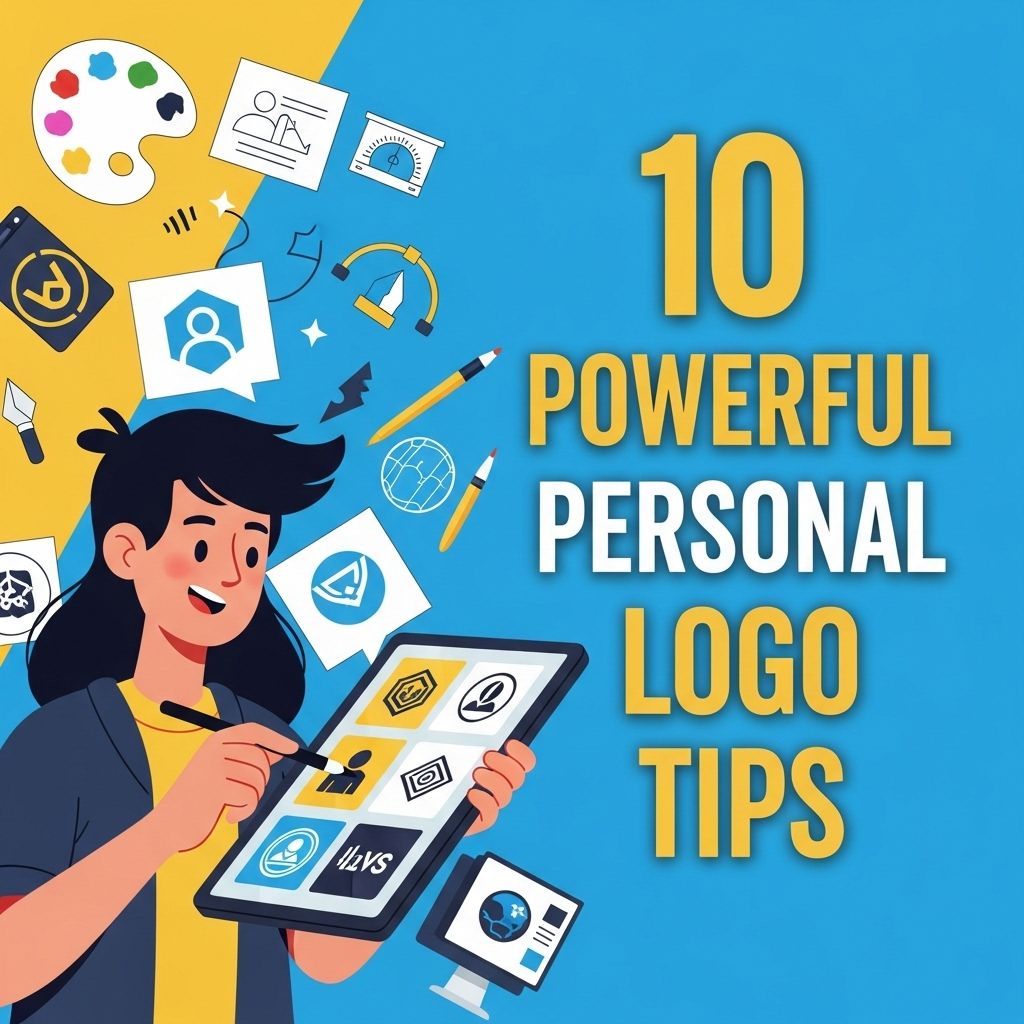
In today’s hyper-connected world, a personal logo serves as a visual representation of your brand and identity. It can leave a lasting impression and help you stand out from the crowd, whether you’re a freelancer, entrepreneur, or a professional looking to advance your career. Getting your personal logo right is crucial, as it can communicate your values, aesthetics, and professionalism at a glance. In this article, we will explore ten powerful tips to help you create a personal logo that not only resonates with your audience but also enhances your personal brand.
Creating a personal logo is a vital step in establishing your brand identity and conveying your unique vision. Whether you’re an entrepreneur, artist, or freelancer, having a memorable logo can set you apart in a crowded marketplace. To get started, consider these 10 powerful tips that will guide you through the design process and help you craft a logo that resonates with your audience. For inspiration, check out vector logo templates.
Table of Contents
Understanding the Importance of a Personal Logo
A personal logo is more than just a graphic; it is a critical element of your branding strategy. Here are a few reasons why having a strong personal logo is essential:
- First Impressions Matter: Your logo is often the first point of contact for your audience, and a well-designed logo can create a positive impression.
- Brand Recognition: Consistency in logo usage helps establish brand recognition, making it easier for people to remember you.
- Professionalism: A well-crafted logo can convey professionalism and serious intent in your work.
Tip 1: Define Your Brand Identity
Your personal logo should reflect who you are and what you stand for. To start designing, ask yourself the following questions:
- What are my core values?
- What message do I want to convey?
- Who is my target audience?
Tip 2: Research Your Competitors
Before moving forward with your design, take the time to analyze other personal logos in your field. This can provide inspiration and help you avoid similarities that could dilute your unique identity. Here’s what to look for:
- Color schemes
- Shapes and symbols
- Fonts and typography
Tip 3: Choose Your Colors Wisely
Colors play a vital role in logo design, as they evoke emotions and convey meanings. Here are some common color associations:
| Color | Meaning |
|---|---|
| Red | Passion, energy |
| Blue | Trust, calmness |
| Green | Growth, health |
| Yellow | Optimism, clarity |
| Purple | Creativity, luxury |
Tip 4: Simplicity is Key
A simple logo is often more memorable. Aim for a clean design that won’t lose detail when resized. Here are some elements to consider when aiming for simplicity:
- Limit the number of colors
- Avoid intricate patterns
- Stick to one or two fonts
Tip 5: Use Typography Effectively
The choice of font can enhance your logo’s message. Different fonts convey different feelings. For instance:
Serif Fonts
These fonts are often associated with tradition and reliability. They can work well for businesses that want to convey trust.
Sans Serif Fonts
These convey a modern and clean aesthetic, suitable for contemporary brands.
Script Fonts
These can add a personal touch but should be used sparingly to maintain readability.
Tip 6: Be Unique and Original
In a saturated market, originality is key. Avoid clichés and strive for a design that sets you apart. Consider incorporating:
- Your initials
- A unique symbol or icon
- A creative use of negative space
Tip 7: Test Your Logo in Various Formats
Your logo needs to be versatile. Test it across different media and backgrounds, such as:
- Business cards
- Websites
- Social media profiles
Tip 8: Get Feedback
Before finalizing your logo, gather feedback from peers, mentors, or even potential clients. Constructive criticism can help you refine your design and ensure it resonates with your target audience.
Tip 9: Create a Logo Usage Guideline
Once your logo is complete, develop a set of guidelines that outline how and where to use it. This could include:
- Color variations
- Size restrictions
- Background colors
Tip 10: Stay Adaptive
As your career evolves, so might your brand. Don’t be afraid to revisit and update your logo to reflect changes in your professional journey. Keeping your logo fresh can help maintain interest in your personal brand.
Conclusion
Creating a powerful personal logo is an investment in your personal brand. By following these tips, you can design a logo that not only looks great but also captures the essence of who you are. Remember that your logo is just one part of your brand strategy; it should align with your overall message and values. Take your time, be intentional, and watch as your personal logo becomes a key asset in your professional toolkit.
FAQ
What is a personal logo and why is it important?
A personal logo is a visual representation of your personal brand, encapsulating your identity, values, and professional presence. It is important because it helps you stand out in a competitive market and creates a memorable impression.
How do I choose the right colors for my personal logo?
Choose colors that reflect your personality and the message you want to convey. Consider the psychology of colors; for instance, blue is often associated with trust, while red evokes energy. Ensure the colors are harmonious and can be easily recognized.
What elements should I include in my personal logo?
Your personal logo should include elements that represent your identity, such as your initials, a unique symbol, or an icon related to your profession. Keep it simple and memorable to make a lasting impact.
How can I make my personal logo versatile?
Design your personal logo to be scalable and adaptable for various mediums, such as business cards, websites, and social media. Use vector graphics to ensure quality at different sizes, and consider how it will look in both color and black and white.
Should I hire a professional designer for my personal logo?
While it’s possible to create a personal logo on your own using design tools, hiring a professional designer can ensure a polished and unique outcome that effectively communicates your personal brand. It’s an investment in your professional image.
How often should I update my personal logo?
You should consider updating your personal logo when there are significant changes in your career, such as a new job role or a shift in your personal brand strategy. However, avoid frequent changes to maintain brand consistency.