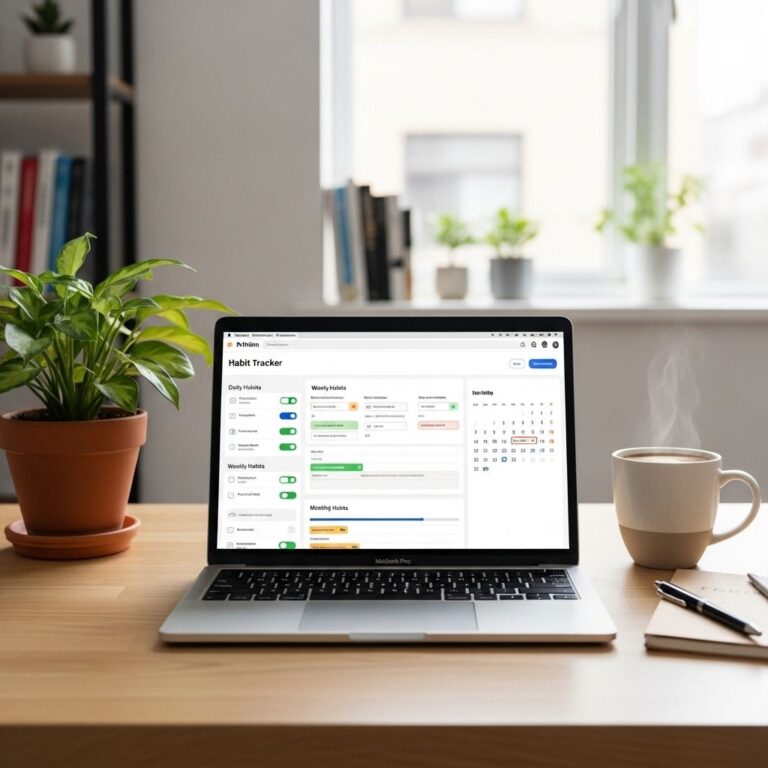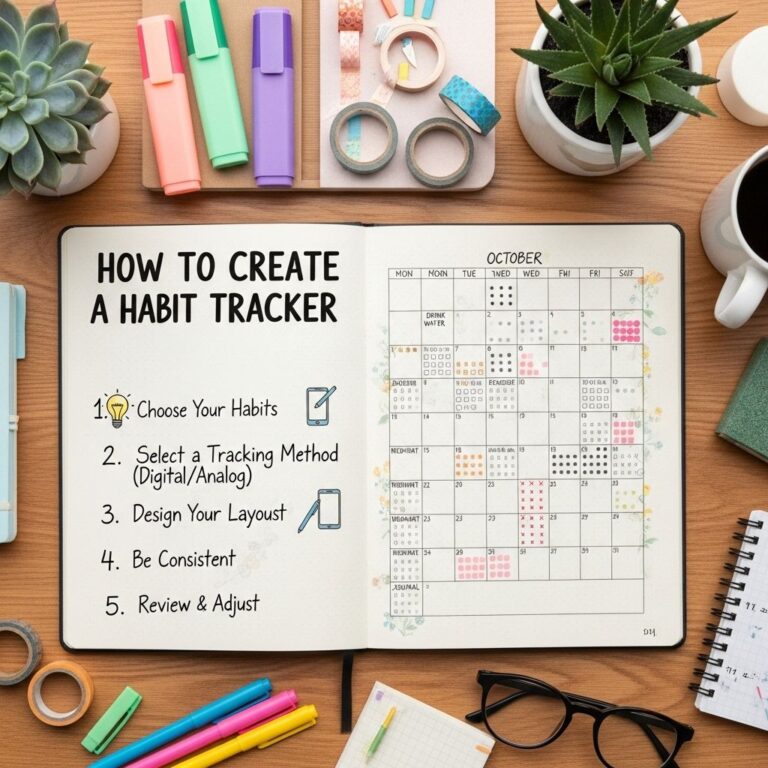
In today’s fast-paced world, building and maintaining productive habits can be a challenge. Whether you’re aiming to exercise regularly, read more books, or cultivate mindfulness, having a structured approach is crucial. A daily habit tracker can be an invaluable tool to help you stay accountable and visualize your progress. In this article, we will explore the steps to create an effective daily habit tracker that suits your lifestyle and goals.
Building a daily habit tracker can significantly enhance your productivity and focus, allowing you to monitor your progress effortlessly. With just a little organization, you can create a simple yet effective system tailored to your needs. For a creative boost, check out these beer branding mockups that can inspire your designs.
Table of Contents
Understanding Habit Tracking
Habit tracking involves recording your daily actions and habits to monitor your consistency. This practice not only helps in establishing new routines but also reinforces positive behavior. Here are some of the benefits of habit tracking:
- Increased Accountability: When you track your habits, you’re more likely to stick to them.
- Clear Visualization: A visual representation of your progress can motivate you to continue.
- Identification of Patterns: Tracking helps you identify what works for you and what doesn’t.
Choosing the Right Format
Habit trackers can come in various formats. The choice depends on your personal preference and what you find most engaging. Here are some popular formats:
1. Digital Habit Trackers
Using apps or online tools can provide convenience and flexibility. Some popular digital trackers include:
- Habitica: Gamifies habit tracking.
- Trello: Offers customizable boards for tracking.
- Google Sheets: Allows you to create personalized tracking sheets.
2. Physical Habit Trackers
For those who prefer writing things down, physical trackers can be more effective. Options include:
- Bullet Journals: A customizable journaling system.
- Printable Habit Trackers: Pre-made templates available online.
- Wall Charts: Large visual reminders in your workspace.
Creating Your Habit Tracker
Now that you’ve chosen your format, it’s time to build your tracker. Follow these steps:
Step 1: Define Your Goals
Start by identifying the habits you want to track. It’s important to focus on a manageable number of habits to avoid overwhelm. Consider the following:
- What habits do you want to cultivate?
- How do these habits align with your overall goals?
- Are these habits measurable and realistic?
Step 2: Design Your Tracker
Your habit tracker should have a clear layout that allows easy tracking. Include the following elements:
- Habit List: A clear list of the habits you want to track.
- Date Range: Specify the time frame for tracking (daily, weekly, or monthly).
- Progress Markers: Empty boxes or checklists to mark your success.
Step 3: Establish a Tracking Routine
Consistency is key when using your habit tracker. Consider the following tips:
- Set a specific time each day to update your tracker.
- Incorporate tracking into your daily routine (e.g., during breakfast or before bed).
- Use reminders or alarms to help you remember.
Tips for Success
To maximize the effectiveness of your habit tracker, consider these strategies:
1. Start Small
When beginning your tracking journey, start with one or two habits to avoid burnout. Gradually add more as you become comfortable.
2. Celebrate Small Wins
Acknowledge your accomplishments, no matter how small. Celebratory actions can boost motivation and reinforce positive behavior.
3. Analyze Your Progress
Regularly review your tracker to identify patterns and make adjustments. This can help you refine your habits and techniques over time.
Example of a Simple Habit Tracker
Here’s a basic example of what a habit tracker may look like:
| Habit | Mon | Tue | Wed | Thu | Fri | Sat | Sun |
|---|---|---|---|---|---|---|---|
| Exercise | X | X | X | X | X | ||
| Read | X | X | X | X | X |
Conclusion
Building a daily habit tracker can transform your approach to self-improvement. By defining your goals, designing an effective tracker, and committing to your routine, you can instill positive habits that align with your lifestyle. Remember, the journey to developing habits may take time, but with persistence and a structured approach, you will see progress. Start today, and take the first step towards a more organized and productive life!
FAQ
What is a daily habit tracker?
A daily habit tracker is a tool or system used to monitor and record your daily habits, helping you stay accountable and consistent in achieving your goals.
Why should I use a daily habit tracker?
Using a daily habit tracker can improve your focus, increase accountability, and motivate you to maintain consistency in your daily routines and personal development.
How do I start building a daily habit tracker?
To build a daily habit tracker, define your goals, choose a tracking method (like a journal, app, or spreadsheet), and set a specific time each day to record your progress.
What are some effective methods for tracking habits?
Some effective methods for tracking habits include using bullet journals, habit tracking apps, spreadsheets, or printable habit tracker sheets.
How can I stay motivated to use my habit tracker?
To stay motivated, set achievable goals, celebrate small wins, review your progress regularly, and adjust your habits as needed to keep things interesting.
Can I track multiple habits at once?
Yes, you can track multiple habits at once by categorizing them in your tracker and allocating specific days or times to focus on each habit.