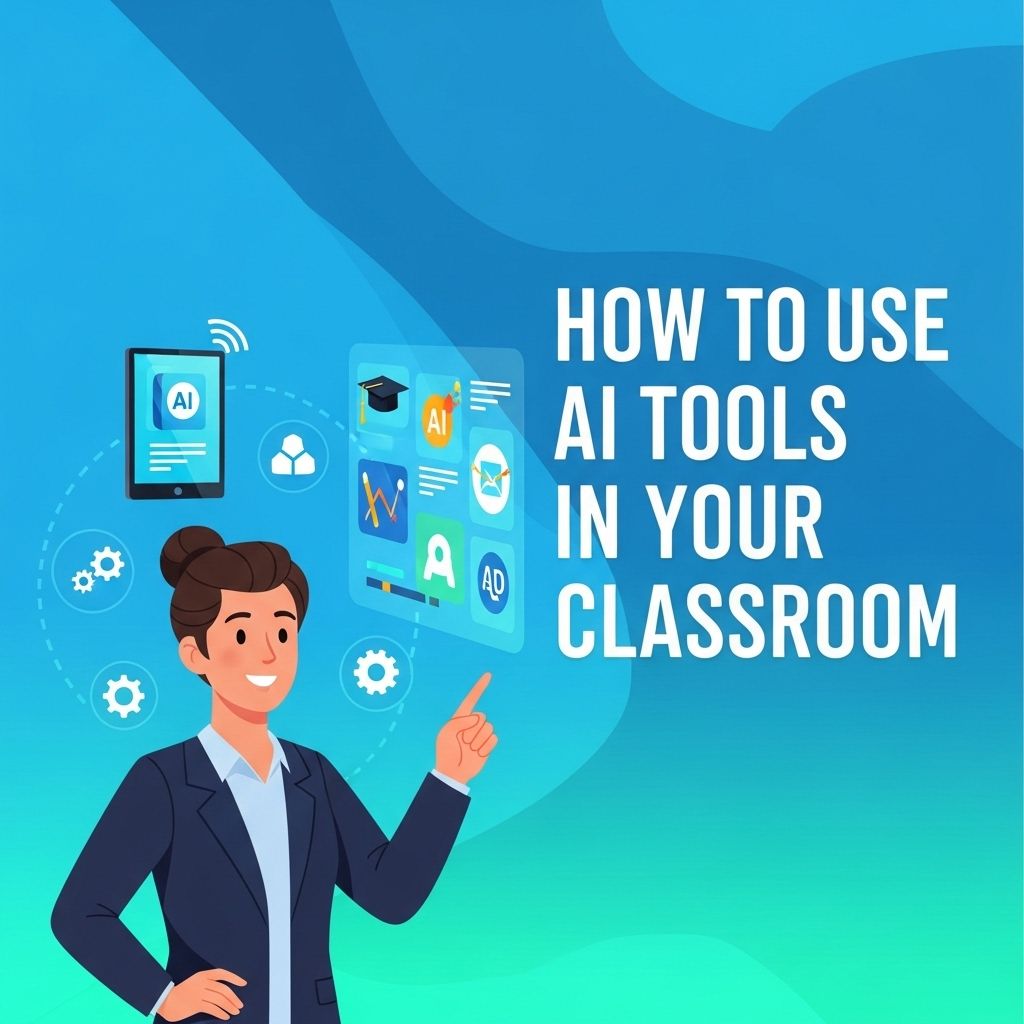
As technology continues to evolve, the integration of Artificial Intelligence (AI) tools in education is reshaping the way teachers deliver lessons and students learn. By leveraging AI, educators can enhance their teaching methodologies, personalize learning experiences, and improve student engagement. This article explores various AI tools that can be utilized in the classroom, offering innovative strategies for implementation to create a dynamic learning environment.
As educators navigate the digital age, integrating AI tools into the classroom can revolutionize teaching and learning experiences. These technologies offer innovative ways to personalize education and enhance student engagement, making learning more accessible and effective. For further insights on utilizing various tools, check out resources like craft beer downloads.
Table of Contents
Understanding AI in Education
Artificial Intelligence refers to the simulation of human intelligence in machines that are designed to think and act like humans. In the context of education, AI tools can analyze data, provide personalized feedback, automate administrative tasks, and more. Here’s how AI can benefit the educational ecosystem:
- Personalized Learning: Adapting learning experiences to meet individual student needs.
- Automated Administrative Tasks: Reducing the workload for teachers by automating grading and scheduling.
- Data-Driven Insights: Analyzing student data to identify trends and improve teaching strategies.
Popular AI Tools for the Classroom
Below are some widely used AI tools that can revolutionize classroom activities:
1. Intelligent Tutoring Systems
Intelligent Tutoring Systems (ITS) offer personalized tutoring to students without needing human intervention. These systems analyze the learning style and pace of students to provide tailored resources. Some well-known ITS include:
- Knewton: Adaptive learning platform that personalizes digital courses.
- Smart Sparrow: Provides adaptive elearning platforms that cater to student needs.
2. AI-Powered Assessment Tools
AI can significantly streamline the assessment process. Tools like GradeScope and Turnitin help educators efficiently grade, track, and analyze student submissions.
| Tool | Functionality |
|---|---|
| GradeScope | Automated grading and feedback |
| Turnitin | Plagiarism detection and grading support |
3. Virtual Learning Assistants
AI-powered virtual assistants, such as Google Assistant and Cortana, can aid teachers and students by answering questions, managing schedules, and facilitating research. They serve as interactive tools for improving classroom efficiency.
Implementing AI Tools in Your Curriculum
Incorporating AI tools in education requires strategic planning and execution. Here are steps to successfully implement AI in your curriculum:
- Identify the Objectives: Determine what you aim to achieve with AI tools in the classroom.
- Choose the Right Tools: Select AI tools that align with your educational goals and student needs.
- Train Educators: Provide professional development for teachers to effectively use these tools.
- Integrate Gradually: Start small and gradually introduce more complex AI tools as comfort with technology grows.
- Collect Feedback: Regularly gather feedback from students and staff to assess the effectiveness of the AI tools and make necessary adjustments.
Challenges and Considerations
While integrating AI tools into the classroom holds great potential, it is essential to be aware of the challenges involved:
- Cost: Some AI solutions can be expensive, requiring budget considerations.
- Training Needs: Teachers may require ongoing training to effectively implement and utilize AI tools.
- Data Privacy: Handling of student data must comply with regulations to ensure safety and privacy.
Case Studies: Success Stories in AI Classroom Integration
Real-world examples illustrate the positive impact of AI in education:
Case Study 1: Personalized Learning at XYZ High School
At XYZ High School, an intelligent tutoring system was implemented to cater to varying student learning styles. Teachers noted a marked improvement in student engagement and performance, particularly among struggling learners.
Case Study 2: Streamlining Assessments at ABC University
ABC University integrated an AI-powered assessment tool, resulting in a significant reduction in grading time. Educators reported that they could focus more on interactive teaching methods and spend less time on paperwork.
The Future of AI in the Classroom
The future of AI in education is promising. As technology advances, we can expect even more sophisticated tools that will further personalize learning experiences. Potential developments include:
- Enhanced natural language processing for better communication with students.
- More immersive AI-driven virtual learning environments.
- Advanced predictive analytics to anticipate student needs.
Conclusion
AI tools offer immense potential for enhancing educational practices, providing personalized learning experiences, and automating routine tasks. By carefully selecting and integrating AI technologies, educators can create more engaging and effective learning environments that cater to the diverse needs of students. As we move forward, embracing these innovations will be key to unlocking the full potential of education in the digital age.
FAQ
What are AI tools and how can they benefit my classroom?
AI tools are software applications that use artificial intelligence to enhance learning experiences. They can provide personalized learning, automate administrative tasks, and offer insights into student performance.
Can AI tools help with lesson planning?
Yes, AI tools can assist educators in creating customized lesson plans by analyzing student data and suggesting resources that align with curriculum goals.
How can I integrate AI tools into my teaching methods?
You can integrate AI tools by using them for educational games, interactive assessments, or personalized tutoring, thereby enhancing student engagement and understanding.
Are there specific AI tools recommended for teachers?
Some popular AI tools for educators include Google Classroom, Microsoft Teams with AI features, and platforms like Edmodo that utilize AI for personalized learning experiences.
What precautions should I take when using AI tools in my classroom?
It’s important to ensure student privacy by choosing tools that comply with data protection regulations, and to monitor how AI recommendations align with your teaching objectives.
How can AI tools support diverse learning needs in the classroom?
AI tools can provide tailored learning experiences, offering resources and support for students with different learning styles and abilities, ensuring inclusivity in the classroom.