In the fast-paced world of design, minimalist aesthetics have emerged as a beacon of clarity and sophistication. The principle of ‘less is more’ not only simplifies visual communication but also enhances user experience. This article delves into ten exemplary minimalist designs across various fields—graphic design, architecture, web design, and product design—that showcase the power of simplicity.
Minimalist design has a unique ability to evoke emotion and communicate ideas with simplicity and elegance. In this exploration of ten stunning examples, we showcase how less truly can be more, highlighting designs that emphasize clean lines and thoughtful composition. For those interested in further inspiring visuals, check out this downloadable beer artwork.
Table of Contents
Understanding Minimalism in Design
Minimalism, as a design philosophy, emphasizes the reduction of elements to their essential forms. Its core principles revolve around:
- Simplicity: Stripping away the non-essential to focus on the fundamental.
- Functionality: Ensuring every element serves a purpose.
- Negative Space: Utilizing empty spaces to highlight content.
- Limited Color Palette: Restricting colors to create a cohesive visual language.
1. Graphic Design: The Power of Typography
In graphic design, the use of typography can exemplify minimalist principles. A prime example is the Helvetica typeface, known for its clean lines and versatility. Effective use of typography includes:
- Choosing legible fonts that enhance readability.
- Utilizing size and weight to create hierarchy.
- Incorporating ample whitespace around text elements.
Example

2. Architectural Minimalism: Space and Light
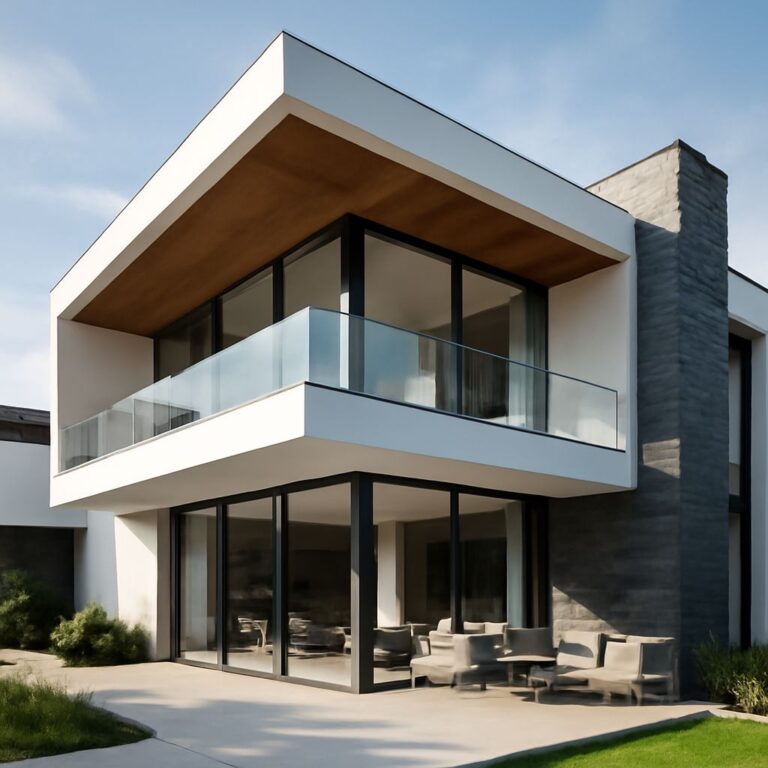
Architectural designs often reflect minimalist ideals through their use of space and materials. Noteworthy examples include:
- The Barcelona Pavilion: Designed by Mies van der Rohe, this iconic structure emphasizes open space and fluidity.
- The Glass House: Philip Johnson’s masterpiece highlights transparency and the interplay of interior and exterior.
Architectural Features
| Feature | Description |
|---|---|
| Open Floor Plans | Eliminates barriers to create a sense of spaciousness. |
| Natural Materials | Utilizes wood, stone, and glass to harmonize with nature. |
| Light Maximization | Incorporates large windows and skylights for natural illumination. |
3. Web Design: User-Centric Navigation
In the realm of web design, user experience is paramount. Websites that adopt minimalist design principles often feature:
- Intuitive navigation structures.
- Fast loading times due to streamlined content.
- Responsive layouts that adapt to various devices.
Stellar Examples
Some prominent websites that exemplify minimalist design include:
- Apple: Known for its focus on product imagery and sparse text.
- Dropbox: Features a clean layout with a clear call-to-action.
4. Product Design: Everyday Minimalism
Minimalist product design emphasizes usability and simplicity. Notable examples include:
- IKEA furniture: Functional yet stylish, designed for easy assembly.
- Muji products: Emphasize simplicity and practicality in everyday items.
Key Principles
When designing minimalist products, consider the following:
- Ergonomics: Prioritize comfort and functional use.
- Durability: Use high-quality materials that stand the test of time.
- Timeless Design: Aim for aesthetics that won’t go out of style.
5. Fashion: Minimalism in Apparel
Minimalist fashion emphasizes timeless pieces and neutral palettes. Iconic brands that embody this style include:
- Everlane: Known for its transparent pricing and classic basics.
- COS: Offers modern, functional designs with a minimalist aesthetic.
Styling Tips
To achieve a minimalist wardrobe:
- Invest in quality over quantity.
- Choose versatile pieces that can be mixed and matched.
- Focus on neutral colors to create a cohesive look.
6. Photography: Minimizing the Frame
In photography, minimalism is about capturing the essence of a subject without distraction. Techniques for minimalist photography include:
- Utilizing negative space to emphasize the subject.
- Focusing on simple compositions that tell a story.
- Employing monochromatic or limited color schemes.
Famous Minimalist Photographers
Some photographers renowned for their minimalist style include:
- Andreas Gursky: Known for large-scale images with simple forms.
- Michael Kenna: Famous for serene landscapes with stark contrasts.
7. Interior Design: A Haven of Calm
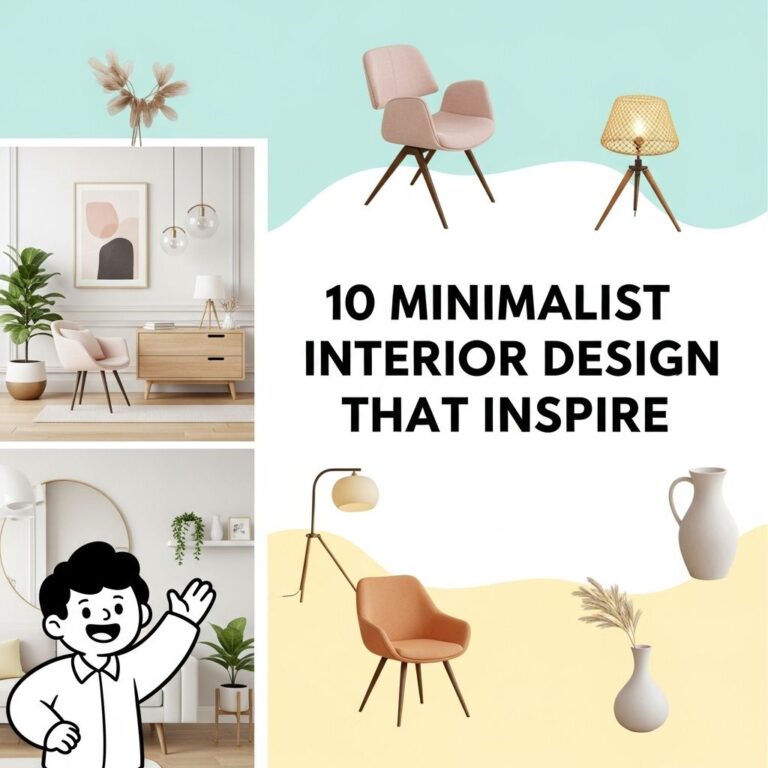
Minimalist interior design creates spaces that promote tranquility. Key elements include:
- Neutral color palettes for a calming atmosphere.
- Functional furniture that serves multiple purposes.
- Thoughtful arrangement to maximize flow and space.
Essential Features
| Element | Benefits |
|---|---|
| Natural Light | Enhances mood and reduces stress. |
| Decluttered Spaces | Promotes a sense of peace and clarity. |
| Quality Textiles | Adds warmth without overwhelming the senses. |
8. Branding: The Art of Visual Identity
Minimalism in branding helps in establishing a strong visual identity. Some illustrative brands include:
- Nike: The swoosh logo embodies simplicity and effectiveness.
- Adidas: The three stripes represent cohesion and brand recognition.
Tips for Minimalist Branding
- Focus on a single, memorable visual element.
- Limit color schemes to two or three for consistency.
- Ensure adaptability across different media and formats.
9. UI/UX Design: Enhancing User Experience
In UI/UX design, minimalism aids in creating intuitive interfaces that enhance user interaction. Effective strategies include:
- Using clear, straightforward language in prompts.
- Employing simple icons for intuitive navigation.
- Providing ample space for users to focus on key actions.
Tools for Minimalist UI/UX Design
Popular tools to create minimalist interfaces include:
- Sketch
- Adobe XD
- Figma
10. The Future of Minimalism in Design
The future of minimalist design is promising, as it adapts to new technologies and cultural shifts. Trends to watch include:
- Integration of virtual and augmented reality.
- Eco-friendly designs utilizing sustainable materials.
- Personalization within minimalist frameworks.
As technology continues to evolve, the minimalist design will likely find new expressions that resonate with contemporary audiences. Its enduring appeal lies in its ability to convey clarity and purpose in a world overwhelmed with information.
FAQ
What is minimalist design?
Minimalist design is a style that emphasizes simplicity and the removal of unnecessary elements, focusing on the essential features of a product or space.
What are the key principles of minimalist design?
The key principles of minimalist design include simplicity, functionality, use of space, limited color palettes, and a focus on quality materials.
How can I incorporate minimalist design into my home?
You can incorporate minimalist design into your home by decluttering, choosing functional furniture, using neutral colors, and maximizing natural light.
What are some popular minimalist design examples?
Popular minimalist design examples include Scandinavian interiors, modern architecture, simple graphic designs, and uncluttered websites.
Is minimalist design suitable for all types of spaces?
Yes, minimalist design can be adapted to various spaces, including residential, commercial, and outdoor areas, creating a clean and open feel.
What are the benefits of minimalist design?
The benefits of minimalist design include reduced stress, improved functionality, enhanced aesthetics, and easier maintenance due to fewer items.