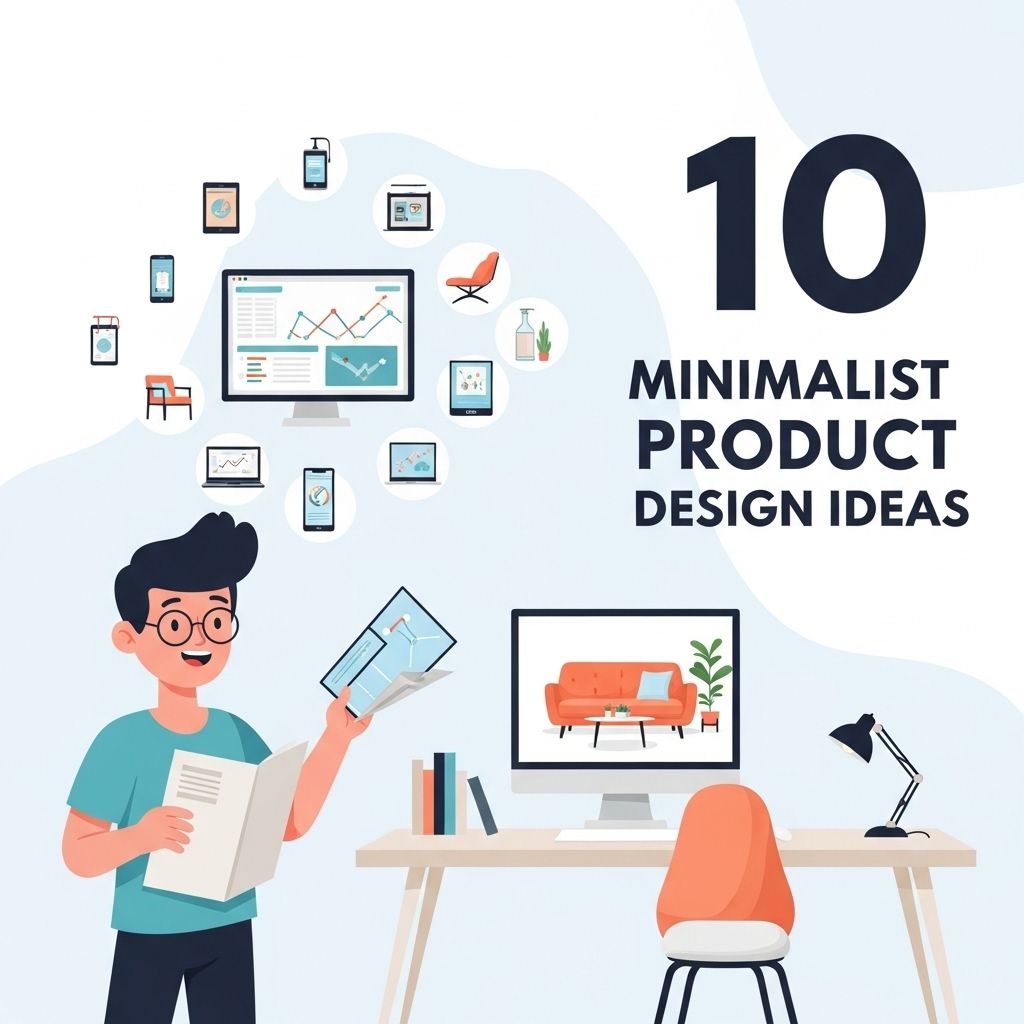
In an increasingly cluttered world, minimalism in product design has emerged as a defining trend that emphasizes simplicity, functionality, and aesthetic elegance. This approach not only appeals to consumers seeking clean, efficient designs but also addresses the growing need for sustainable practices in the product lifecycle. As we explore minimalist product design ideas, it’s essential to understand how simplicity can enhance usability while still making a bold visual statement.
In the world of product design, minimalism has emerged as a powerful philosophy, emphasizing simplicity and functionality. From kitchenware to tech gadgets, these 10 inspiring minimalist product design ideas showcase how less can truly be more, creating aesthetically pleasing and practical solutions. For those interested in enhancing their designs with fluid elements, explore these high-quality water designs to elevate your projects.
Table of Contents
The Essence of Minimalism
Minimalism in product design revolves around reducing elements to their most essential forms. This can lead to:
- Enhanced user experience
- Increased functionality
- Reduced production costs
- Eco-friendliness
To achieve a minimalist design, designers focus on key principles that guide their decisions:
Key Principles of Minimalist Design
- Functionality: Each element serves a purpose.
- Simplicity: Designs should avoid unnecessary complexity.
- Quality over Quantity: Prioritize well-crafted components.
- Attention to Detail: Every aspect of the design is thoughtfully considered.
10 Innovative Minimalist Product Design Ideas
Here are ten standout minimalist product designs that embody these principles, inspiring both designers and consumers alike:
1. Modular Furniture
Modular furniture pieces can be combined and reconfigured to suit various spaces and needs while maintaining a streamlined appearance. Examples include:
| Product | Features | Materials |
|---|---|---|
| Modular Sofa | Customizable sections | Wood, fabric |
| Stackable Chairs | Space-saving design | Plastic, metal |
2. Smart Home Devices
Devices like smart speakers and thermostats can incorporate minimalist aesthetic principles by featuring:
- Simple shapes
- Neutral color palettes
- Intuitive interfaces
3. E-Readers
With a focus on readability and user comfort, minimalist e-readers strip away unnecessary buttons and features, creating a user-friendly experience. The Amazon Kindle exemplifies this approach with:
- A sleek design
- An emphasis on screen size and clarity
- Long battery life
4. Kitchen Appliances
Minimalist kitchen gadgets, such as espresso machines and blenders, often feature:
- Compact designs
- Simple interfaces
- High-quality materials
Brands like Breville and Smeg successfully blend functionality with minimal aesthetics.
5. Wearable Technology
Smartwatches and fitness trackers are designed to be sleek and unobtrusive, integrating technology with daily wear. Common elements include:
- Streamlined displays
- Interchangeable bands
- Water-resistant features
6. Personal Accessories
Minimalist wallets and bags focus on:
- Durability
- Practicality
- Timeless design
Brands like Bellroy and Muji lead the way with products that seamlessly combine style with utility.
7. Mobile Devices
Smartphones, such as the iPhone, showcase minimalist design through:
- Clean lines
- Intuitive interfaces
- Focus on essential functionalities
8. Lighting Solutions
Minimalist lighting fixtures, like pendant lights and floor lamps, often use:
- Geometric shapes
- Soft color tones
- Energy-efficient bulbs
These designs can create a cozy atmosphere while remaining unobtrusive.
9. Stationery
Notebooks and planners, such as those from Moleskine, prioritize:
- Quality paper
- Simple designs
- Functional layouts
10. Sustainable Packaging
Minimalist packaging reduces waste by using fewer materials while still protecting the product. For instance:
- Flat packaging for ease of transport
- Biodegradable materials
- Clear branding without excessive ornamentation
Benefits of Minimalist Design
Adopting a minimalist approach can yield numerous advantages:
Efficiency
Minimal designs often lead to faster production times and reduced costs.
Consumer Appeal
Today’s consumers appreciate the clean aesthetics and functionality of minimalist products.
Environmental Impact
By reducing material usage and creating longer-lasting products, minimalist designs support sustainability.
Conclusion
Minimalist product design is more than just a trend; it represents a fundamental shift in how we create and interact with our environment. By stripping away the unnecessary and focusing on core functions, designers can create products that not only look beautiful but also enhance the user experience. Embracing minimalism encourages a mindful approach to consumption, leading to a more sustainable future. As we move forward, we will likely see even more innovative applications of minimalist design across various industries, providing endless inspiration for both creators and consumers alike.
FAQ
What is minimalist product design?
Minimalist product design focuses on simplicity, functionality, and a clean aesthetic, eliminating unnecessary elements to enhance user experience.
What are some examples of minimalist product design?
Examples include sleek furniture, simple tech gadgets, and streamlined kitchenware that prioritize usability and visual clarity.
How can I incorporate minimalist design into my products?
You can incorporate minimalist design by using a limited color palette, focusing on essential features, and ensuring that every element serves a purpose.
What materials work best for minimalist designs?
Materials such as wood, metal, glass, and high-quality plastics are often used in minimalist designs to create a refined and modern look.
Are there any famous minimalist designers?
Yes, notable minimalist designers include Dieter Rams, Jony Ive, and Naoto Fukasawa, known for their influential and timeless designs.
How does minimalist design benefit consumers?
Minimalist design benefits consumers by creating products that are easier to use, more aesthetically pleasing, and often more sustainable due to reduced material usage.