As we navigate through our busy lives, many of us yearn for a space that offers tranquility and simplicity. Minimalist interior design embodies these principles, emphasizing functionality while reducing clutter. The following ideas showcase how you can transform your living space into a serene haven, all while maintaining a stylish and modern aesthetic.
Minimalism in interior design emphasizes simplicity and functionality, creating serene spaces that foster peace of mind. In this exploration of inspiring minimalist interior design ideas, we’ll delve into concepts that not only enhance the aesthetic appeal of your living space but also promote a clutter-free environment. For those interested in design beyond interiors, check out these beer label design ideas.
Table of Contents
Understanding Minimalism
Minimalism is more than just a design trend; it’s a lifestyle choice that promotes the idea of ‘less is more.’ In the context of interior design, it encourages the use of fewer furnishings, neutral colors, and open spaces to create an environment that fosters peace and creativity. Here are some fundamental elements of minimalist design:
- Neutral color palettes
- Simple shapes and forms
- Functional furniture
- Natural materials
- Strategic use of light
1. Embrace Neutral Colors
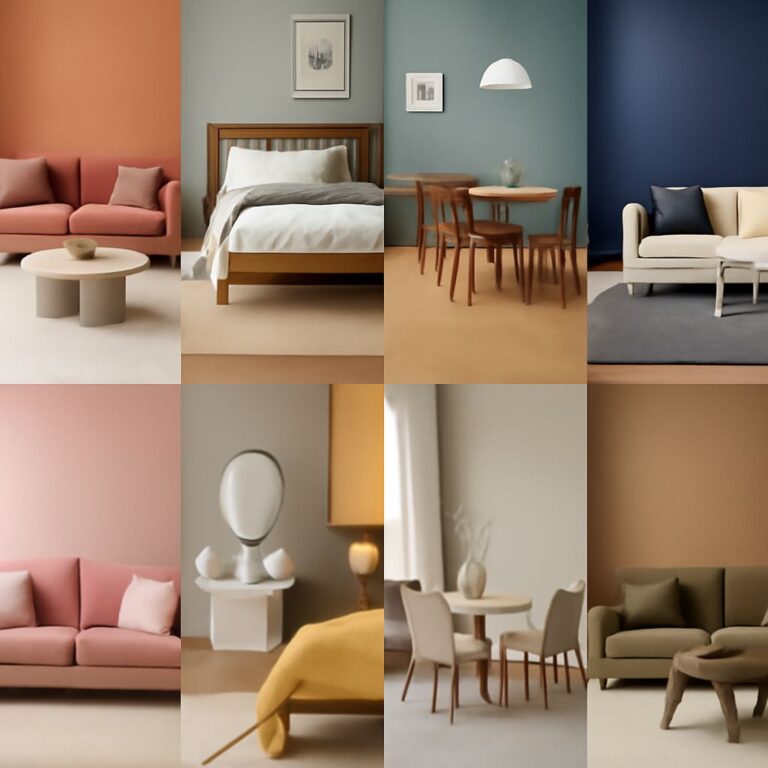
Neutral colors are the backbone of minimalist design. They create a calm and cohesive atmosphere that allows for flexibility in decor. Consider the following color schemes:
| Color | Hex Code |
|---|---|
| Soft White | #FFFFFF |
| Light Gray | #D3D3D3 |
| Beige | #F5F5DC |
| Muted Pastels | #E6E6FA |
2. Focus on Functionality
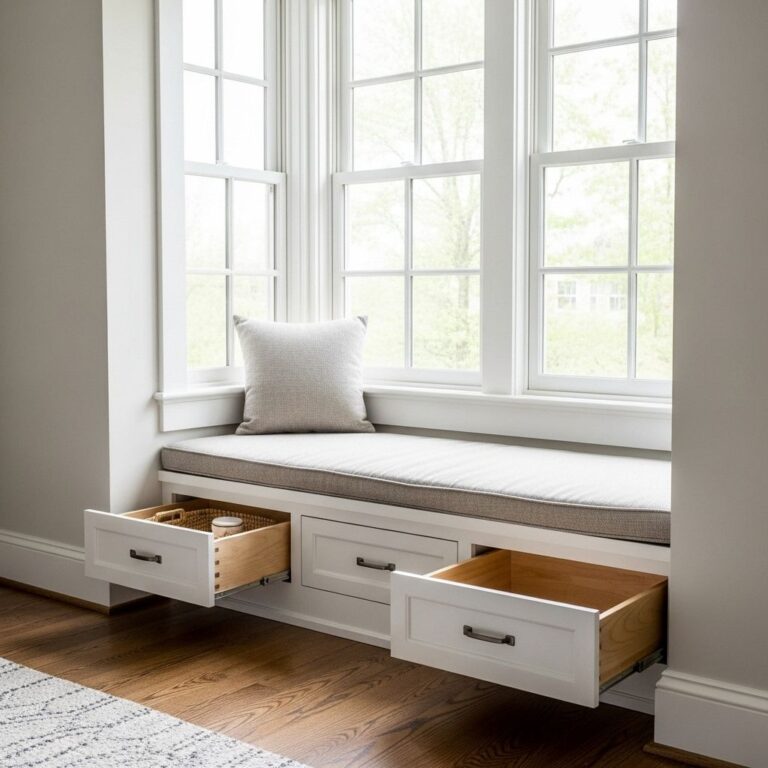
Every piece of furniture in a minimalist space should serve a purpose. Avoid overcrowding your room with unnecessary items. Instead, choose multi-functional furniture, such as:
- Sofa beds
- Storage ottomans
- Wall-mounted shelves
3. Open Floor Plans
Open floor plans are a staple in minimalist design, as they eliminate visual barriers and make spaces feel larger. To achieve this:
- Remove non-load-bearing walls where possible.
- Use furniture to define areas without closing them off.
- Incorporate large windows to enhance natural light.
4. Incorporate Natural Elements
Using natural materials adds warmth and texture to minimalist interiors. Consider incorporating:
- Wood accents
- Stone surfaces
- Textiles like cotton and linen
5. Limit Accessories
In a minimalist space, less truly is more. Select a few key accessories that speak to your style and enhance the room’s overall aesthetic. Here are considerations for accessorizing:
- Choose a statement piece of art.
- Incorporate plants for a touch of nature.
- Use simple vases with single stem flowers.
6. Lighting Matters
Natural and artificial lighting can dramatically affect the ambiance of your space. Here are some tips:
- Maximize natural light with sheer curtains.
- Use pendant lights and recessed lighting for a modern touch.
- Incorporate dimmers to adjust the mood.
7. Layer Textures
While keeping your color palette neutral, layering different textures can add depth to your space. Consider using:
- Woven rugs
- Knitted throws
- Textured wall finishes
8. Create a Focal Point
A well-defined focal point can enhance the minimalist aesthetic. This could be:
- A large piece of art
- A striking piece of furniture
- A beautifully designed fireplace
9. Choose Quality Over Quantity
Investing in high-quality pieces can elevate your minimalist design. Consider purchasing:
- Durable furniture that withstands the test of time.
- Quality textiles that feel good and age well.
- Artisan-crafted items that offer unique character.
10. Personalize Thoughtfully
Minimalism does not mean sacrificing personality. Personal touches can be incorporated in a subtle way through:
- Family photographs in simple frames.
- Books on open shelves that reflect your interests.
- Decorative items that are meaningful yet unobtrusive.
By thoughtfully incorporating these minimalist interior design ideas, you can create a space that not only looks good but also feels good. Remember, the key is to maintain a balance between functionality and aesthetics, ensuring that your home is a true reflection of your personal style while providing a serene environment for relaxation and inspiration.
FAQ
What are the key principles of minimalist interior design?
The key principles of minimalist interior design include simplicity, functionality, and the use of neutral colors. It focuses on decluttering spaces, incorporating natural light, and selecting furniture that serves a purpose while maintaining aesthetic appeal.
How can I achieve a minimalist look in my home?
To achieve a minimalist look, start by decluttering your space, choose a neutral color palette, and invest in multifunctional furniture. Use simple decor items and ensure that every piece serves a purpose.
What colors are best for minimalist interior design?
Best colors for minimalist interior design include whites, greys, beiges, and soft pastels. These colors create a serene environment and help to maintain a clean and uncluttered look.
Can I incorporate textures in a minimalist design?
Yes, incorporating textures is essential in minimalist design. Using materials like wood, metal, and textiles can add depth and interest without overwhelming the space.
What types of furniture work well in minimalist interiors?
Furniture that is sleek, functional, and has clean lines works well in minimalist interiors. Look for pieces that are simple in design, such as low-profile sofas, geometric coffee tables, and streamlined storage solutions.
How do I balance minimalism with comfort in my home?
To balance minimalism with comfort, choose cozy fabrics and add a few well-chosen accessories like cushions and throws. Ensure furniture is comfortable while keeping the overall design uncluttered and simple.