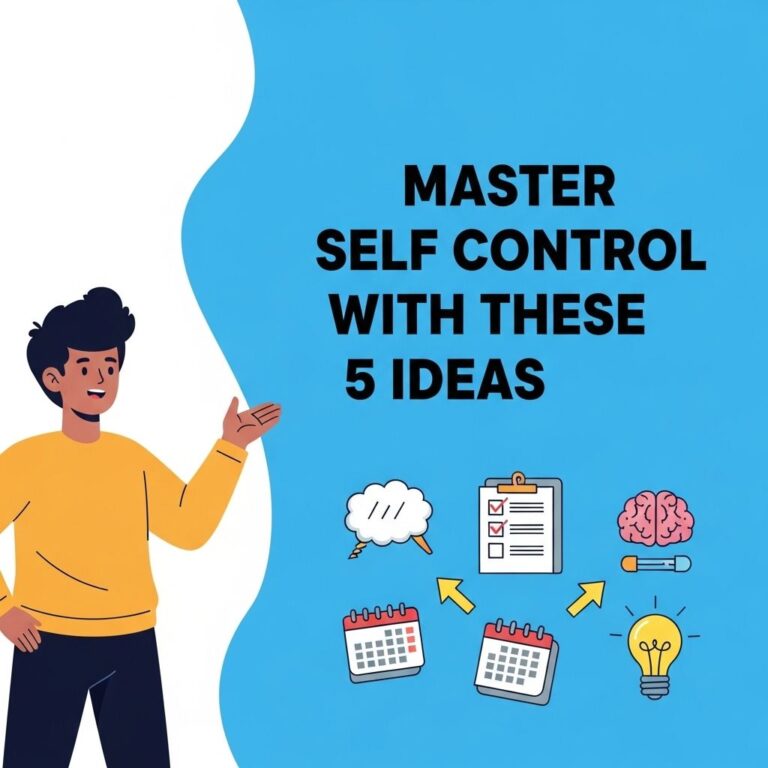
Self-discipline is the cornerstone of personal success and growth. In a world brimming with distractions and instant gratification, the ability to control one’s impulses and stay focused on long-term goals is vital. Whether it’s enhancing productivity, improving health, or mastering new skills, self-discipline is essential. This article delves into ten effective tricks that can help you strengthen your self-discipline and transform your life.
Cultivating self-discipline can significantly transform your life, helping you achieve your goals and maintain focus. In this article, we will explore 10 effective self-discipline tricks that can enhance your productivity and overall well-being. For those looking to unwind creatively, check out these craft beer downloads for inspiration.
Table of Contents
Understanding Self-Discipline
Before diving into the tricks, it’s important to understand what self-discipline truly means. It is the ability to push yourself to take action regardless of emotional state. This involves making choices that align with your long-term goals over short-term pleasures. Self-discipline is not just about willpower; it’s about creating systems and habits that foster growth and resilience.
1. Set Clear Goals
One of the foundational steps towards self-discipline is setting clear and achievable goals. Without a clear direction, it’s easy to lose focus. Here’s how to set effective goals:
- Specific: Define what you want to achieve in precise terms.
- Measurable: Ensure that your progress can be tracked.
- Achievable: Set realistic goals that are attainable.
- Relevant: Align your goals with your broader life ambitions.
- Time-bound: Set a deadline for achieving your goals.
Example of Goal Setting
| SMART Criteria | Example |
|---|---|
| Specific | Run a marathon in under 4 hours. |
| Measurable | Track weekly running distances. |
| Achievable | Have a training plan with gradual increases. |
| Relevant | Improves overall health and fitness. |
| Time-bound | Complete by the end of the year. |
2. Develop Daily Routines
Establishing a daily routine can significantly enhance self-discipline. Routines reduce the number of decisions you have to make, allowing you to focus energy on more important tasks. Here are some tips for creating effective routines:
- Identify high-priority tasks.
- Set specific times for each task.
- Include breaks to prevent burnout.
- Review and adjust your routine regularly.
3. Eliminate Distractions
Distractions are the nemesis of self-discipline. Identify sources of distraction in your environment and take steps to minimize or eliminate them. Consider the following:
- Use apps like Forest to stay focused.
- Designate specific times for checking emails and social media.
- Turn off notifications on your devices.
4. Practice Mindfulness
Mindfulness can help you become more aware of your impulses and triggers. By practicing mindfulness, you can develop better control over your thoughts and actions. Here are some techniques to incorporate mindfulness into your daily life:
- Meditation: Spend a few minutes daily in meditation.
- Deep Breathing: Practice deep breathing exercises when feeling overwhelmed.
- Journaling: Reflect on your thoughts and feelings to understand your behavior better.
5. Reward Yourself
Positive reinforcement can significantly boost your motivation and self-discipline. Create a reward system to celebrate milestones. For example:
- Set small goals and reward yourself with a treat for achieving them.
- Take a day off to relax after completing a significant project.
- Invest in something you’ve wanted after consistently sticking to your discipline.
6. Build a Support System
Surrounding yourself with supportive people can help you maintain self-discipline. Engage with friends, family, or communities that share similar goals. Here are ways to enhance your support system:
- Join clubs or groups that align with your interests.
- Find an accountability partner to check in with regularly.
- Share your goals with your support network to increase commitment.
7. Start Small
When trying to build self-discipline, it’s crucial to start small. Overwhelming yourself with too many changes can lead to burnout. Begin with manageable tasks:
- Commit to a 5-minute daily exercise routine.
- Limit social media usage to 15 minutes a day.
- Read one chapter of a book each week.
8. Learn from Setbacks
Setbacks are a part of the journey toward self-discipline. Instead of viewing them as failures, use them as learning experiences. Here’s how to handle setbacks:
- Reflect on what went wrong and why.
- Adjust your approach based on lessons learned.
- Maintain a positive mindset; remind yourself that progress takes time.
9. Visualize Your Success
Visualization is a powerful technique that can boost your self-discipline. Picture the successful completion of your goals to strengthen your commitment. Here are steps to practice visualization:
- Find a quiet space and close your eyes.
- Imagine the steps you need to take to reach your goals.
- Feel the emotions associated with achieving your goals.
10. Review Your Progress
Regularly reviewing your progress helps you stay on track and identify areas for improvement. Consider implementing a weekly review process where you:
- Assess your achievements against your goals.
- Identify challenges and brainstorm solutions.
- Adjust your plans for the upcoming week based on your findings.
Conclusion
Self-discipline is a skill that can be cultivated over time with practice and determination. By implementing these ten tricks, you can set yourself on a path to transformation, enhancing not just your productivity but your overall quality of life. Start small, be consistent, and remember that every step taken towards self-discipline is a step towards achieving your dreams.
FAQ
What are effective self-discipline techniques?
Effective self-discipline techniques include setting clear goals, creating a structured routine, practicing time management, and using positive reinforcement.
How can I improve my self-discipline daily?
To improve your self-discipline daily, start small by setting achievable tasks, eliminate distractions, and hold yourself accountable for your actions.
What role does motivation play in self-discipline?
Motivation fuels self-discipline; it provides the drive to maintain focus and commitment toward achieving your goals, even when faced with challenges.
Can self-discipline be learned?
Yes, self-discipline can be learned through consistent practice, self-reflection, and gradually building habits that align with your objectives.
What are the long-term benefits of self-discipline?
Long-term benefits of self-discipline include increased productivity, improved mental health, better decision-making skills, and achieving personal and professional goals.