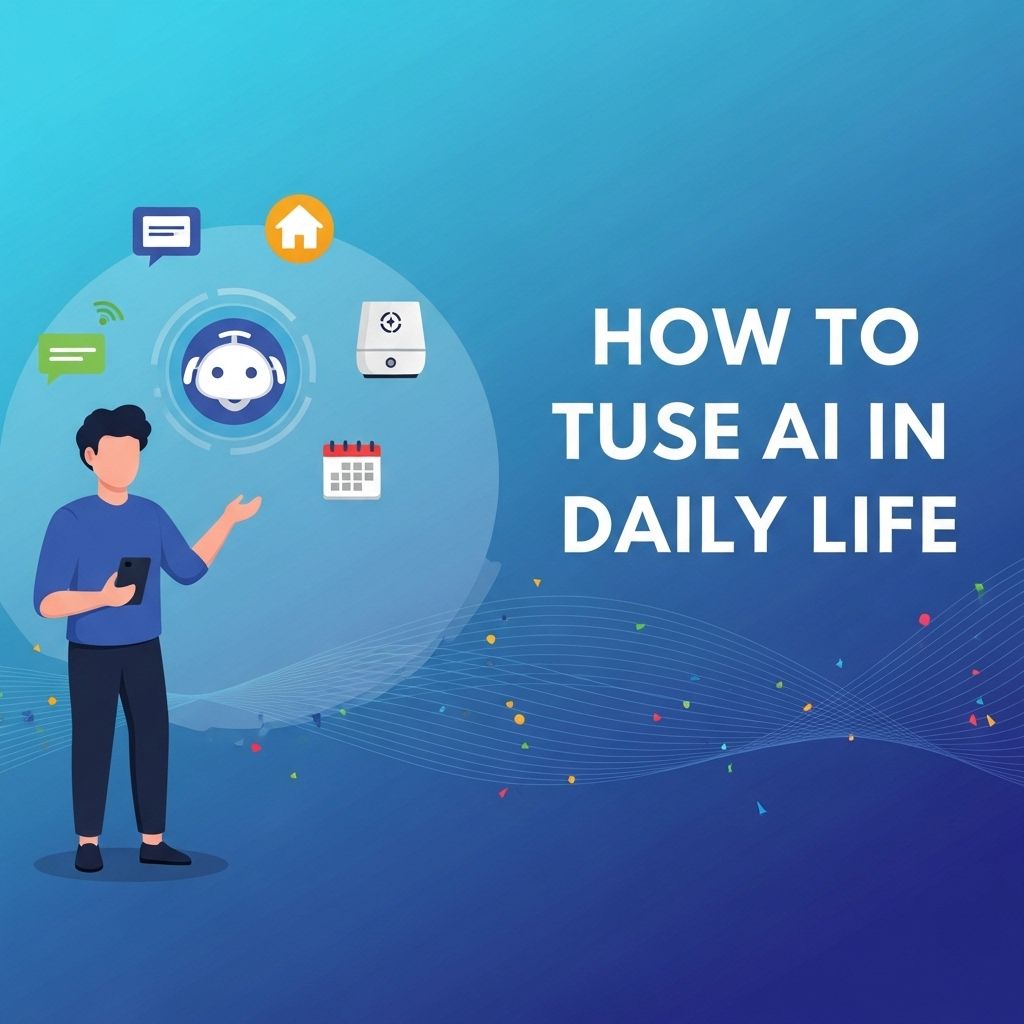
Artificial Intelligence (AI) has become an integral part of our daily lives, transforming how we interact with technology and each other. From smart assistants to personalized recommendations, AI is seamlessly woven into the fabric of modern living. In this article, we will explore various applications of AI in everyday life, the benefits it brings, and future possibilities that it holds.
Artificial Intelligence is reshaping how we approach everyday tasks, making life more efficient and organized. In this practical guide, we’ll explore various applications of AI that can transform your daily experiences, from managing your time to enhancing creativity. For those interested in design, check out these beer design templates to inspire your next project.
Table of Contents
Understanding AI in Everyday Life
AI refers to the simulation of human intelligence processes by machines, especially computer systems. These processes include learning, reasoning, problem-solving, perception, and language understanding. Here’s a closer look at how AI manifests in our daily routines:
1. Smart Assistants
Smart assistants have revolutionized how we perform tasks and access information. Some popular smart assistants include:
- Amazon Alexa
- Google Assistant
- Apple Siri
- Microsoft Cortana
These tools can manage schedules, control smart home devices, and even provide weather updates. They learn from user interactions, allowing for increasingly personalized experiences.
2. Personalized Recommendations
AI algorithms analyze user behavior to provide tailored content and suggestions. This is particularly evident in:
- Streaming services (e.g., Netflix and Spotify)
- Online shopping platforms (e.g., Amazon)
- Social media feeds (e.g., Facebook and Instagram)
By understanding preferences, these platforms enhance user satisfaction and drive engagement.
The Benefits of AI Integration
Incorporating AI into daily tasks offers numerous advantages:
Enhanced Efficiency
AI can perform repetitive tasks much faster than humans. For example:
- Automated customer support through chatbots
- Streamlined data entry processes
- Quick analysis of large datasets
Increased Accuracy
AI systems can reduce human error in various fields, including:
- Medical diagnostics
- Financial forecasting
- Supply chain management
Improved Decision Making
AI can analyze trends and provide insights that aid in decision-making processes. This is especially valuable in:
- Business strategy development
- Investment analysis
- Marketing effectiveness evaluation
Everyday AI Applications
Let’s delve into some of the specific applications of AI that you can leverage in daily life:
1. Home Automation
Smart homes equipped with AI technology can enhance comfort and security. Key components include:
| Device | Function |
|---|---|
| Smart Thermostats | Automatically adjust heating and cooling based on user preferences. |
| Smart Lights | Control lighting remotely and set schedules for convenience. |
| Security Cameras | Utilize facial recognition and alerts for security breaches. |
2. Health and Wellness
AI applications in health can assist individuals in monitoring their wellbeing:
- Fitness trackers that provide personalized workout recommendations
- Apps that analyze dietary habits and suggest healthier choices
- Remote health monitoring systems for chronic conditions
3. Education and Learning
AI has the potential to transform education through:
- Adaptive learning platforms that tailor content based on student performance
- Language learning apps that incorporate AI for personalized lessons
- Virtual tutors that provide immediate feedback and assistance
The Future of AI in Daily Life
As AI technology continues to evolve, its role in our lives is expected to grow. Here are some promising trends:
1. Enhanced Personalization
Future AI systems could offer even more personalized experiences across various sectors, including retail, entertainment, and healthcare. The potential for understanding user preferences will result in deeper engagement and satisfaction.
2. Increased Connectivity
With advancements in the Internet of Things (IoT), AI will facilitate better connectivity among devices. Imagine a world where your refrigerator suggests recipes based on its contents, or your car schedules maintenance before a breakdown occurs.
3. Ethical AI Development
As the impact of AI grows, there will be a stronger focus on ethical considerations. Ensuring transparency, fairness, and accountability in AI systems will be vital as we navigate challenges related to privacy and bias.
Conclusion
Artificial Intelligence is no longer a distant concept; it is a part of everyday life that significantly enhances our routines. Understanding and embracing AI can lead to improved efficiency, accuracy, and decision-making. As technology advances, we can expect even greater integration of AI in our daily lives, paving the way for a future that is not only more innovative but also deeply personalized.
FAQ
What are some practical ways to use AI in daily life?
AI can be used in daily life through virtual assistants like Siri or Alexa, personalized recommendations on streaming services, smart home devices, and apps that help with tasks like budgeting or fitness.
How can AI improve productivity at home?
AI can improve productivity by automating repetitive tasks, managing schedules, organizing to-do lists, and providing reminders for important deadlines or events.
Can AI help with personal finance management?
Yes, AI-powered apps can analyze spending habits, suggest budgeting strategies, and even automate savings to help manage personal finances more effectively.
How does AI enhance my shopping experience?
AI enhances shopping by providing personalized product recommendations, optimizing pricing strategies, and enabling chatbots for customer service, making the shopping experience more efficient and enjoyable.
What role does AI play in health and wellness?
AI plays a significant role in health and wellness by offering personalized fitness plans, tracking health metrics, providing mental health support through apps, and even alerting users to potential health issues.