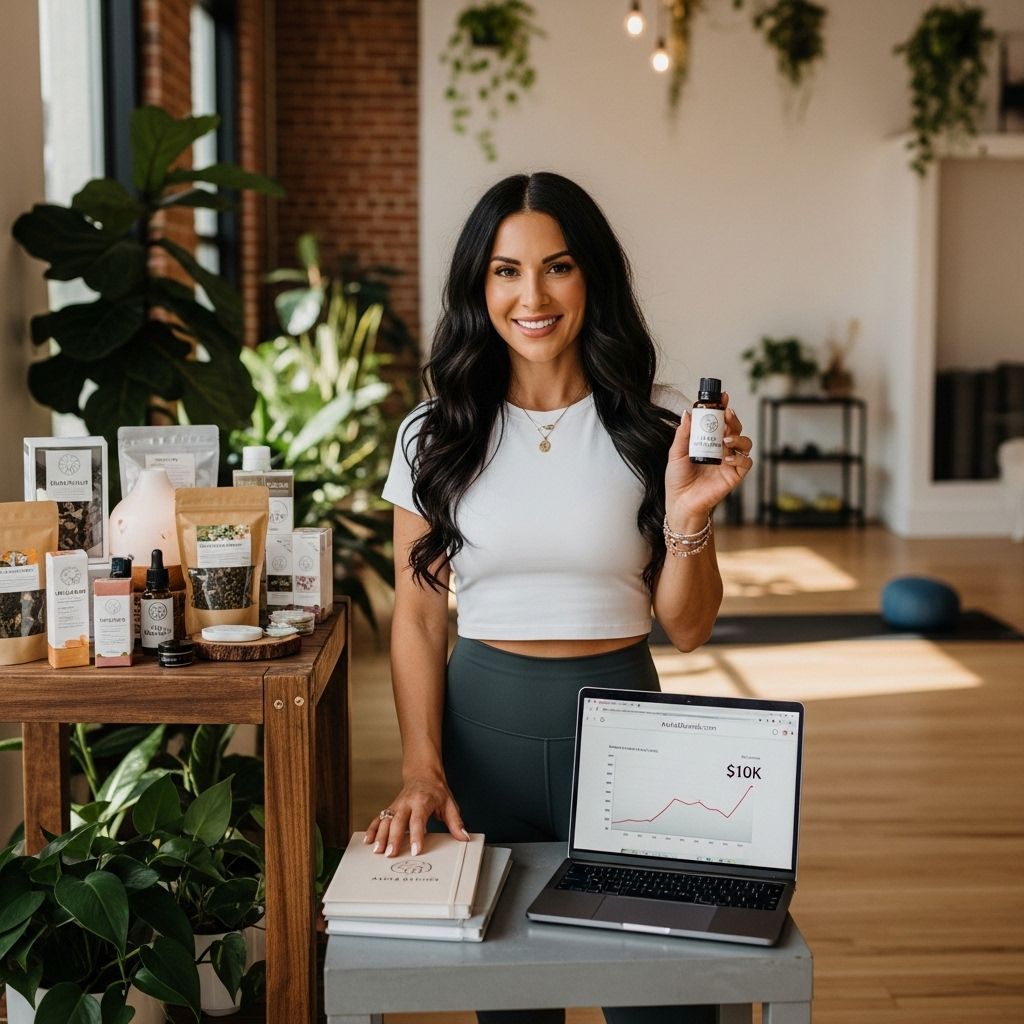
Building a wellness brand from scratch can seem like a daunting task, especially in today’s saturated market. However, with the right approach and perseverance, it’s entirely feasible to carve out a niche that resonates with your audience. In this article, I will share my journey of creating a wellness brand that not only meets the needs of health-conscious consumers but also generated $10,000 in revenue.
Building a successful wellness brand in just six months may seem daunting, but with the right strategies and dedication, it’s entirely achievable. In this journey, I focused on creating a unique brand identity, engaging with my target audience, and utilizing essential design resources to bring my vision to life. For those looking to enhance their designs, Browse design resources that can help elevate your brand.
In just six months, I transformed a simple idea into a thriving wellness brand, generating $10K in revenue. This journey involved strategic planning, effective marketing, and leveraging quality design resources—like realistic bag mockup examples to showcase my products. Understanding the market and connecting with my audience were crucial steps in building this venture.
Table of Contents
Identifying the Niche
The first step in establishing a wellness brand is identifying a unique niche. The wellness industry is vast, encompassing everything from supplements to fitness programs. Here are some methods I employed to pinpoint my niche:
- Market Research: Analyzing existing wellness brands and identifying gaps in the market.
- Target Audience: Understanding the demographics and preferences of potential customers.
- Personal Passion: Focusing on areas of wellness that I was genuinely passionate about.
Conducting Surveys
To fine-tune my niche, I conducted surveys and polls on social media, asking followers about their wellness struggles and preferences. The feedback I received was invaluable and helped to shape my product offerings.
Building the Brand Identity
Once I identified my niche, it was time to create a brand identity that stood out. This included:
Creating a Name and Logo
The name of my brand had to be catchy, memorable, and reflect the essence of wellness. I worked with a graphic designer to craft a logo that conveyed a sense of tranquility and health.
Choosing a Color Palette
Colors play a significant role in branding. I opted for greens and blues, representing nature and calmness. Here’s a quick breakdown of color psychology:
| Color | Meaning |
|---|---|
| Green | Health, nature, tranquility |
| Blue | Trust, calmness, professionalism |
| Purple | Loyalty, spirituality |
Product Development
With a solid brand identity in place, I moved on to product development. I focused on creating organic wellness products that appealed to my target audience. Here’s how I approached the process:
Researching Ingredients
Quality ingredients were paramount. I sourced organic, non-GMO ingredients that aligned with wellness trends. Some popular ingredients I considered included:
- Turmeric
- Matcha
- CBD oil
Testing and Feedback
Before launching, I created prototypes and sent them out for testing. I gathered feedback from a select group of individuals who fit my target market. Their insights helped me refine the products.
Setting Up the Online Presence
In the digital age, having a robust online presence is crucial for any brand. I focused on building a user-friendly website and establishing a social media presence.
Creating a Website
I chose an e-commerce platform that was easy to navigate and set up. Key features included:
- Mobile responsiveness
- Secure payment gateways
- High-quality product images
Engaging on Social Media
Platforms like Instagram and Facebook were essential for marketing my brand. I shared content related to wellness, including:
- Health tips
- Product benefits
- User testimonials
Marketing Strategies
To achieve my revenue goal of $10,000, I implemented various marketing strategies. Here’s a breakdown of the most effective ones:
Influencer Collaborations
Partnering with wellness influencers helped to amplify my brand’s reach. I selected influencers whose values aligned with my brand and had an engaged following.
Email Marketing
I built an email list by offering a free wellness guide in exchange for subscribers’ email addresses. I then nurtured this list through:
- Regular newsletters
- Exclusive discounts
- Product launches
Monitoring and Adjusting
Once my brand was launched, I continuously monitored key performance indicators (KPIs) to track progress. This included:
- Sales numbers
- Website traffic
- Social media engagement
Analyzing Customer Feedback
Customer feedback was crucial for making adjustments to my product line and marketing strategies. I encouraged reviews and actively responded to customer inquiries.
Scaling the Brand
As the brand grew, I began exploring ways to scale. Some methods included:
Expanding Product Lines
I introduced complementary products based on customer requests and market trends, increasing my average order value.
Exploring Wholesale Opportunities
Partnering with local health stores allowed me to reach more customers and increase brand visibility. I created wholesale packages tailored to retailers.
Conclusion
Building a $10,000 wellness brand requires dedication, strategic planning, and a deep understanding of your target audience. By focusing on a unique niche, creating a strong brand identity, and employing effective marketing strategies, I was able to turn my passion for wellness into a successful business.
Through continuous learning and adaptation, I look forward to further expanding my brand and reaching even greater heights in the wellness industry.
FAQ
What are the first steps to starting a wellness brand?
Begin by identifying your target audience and niche within the wellness industry. Conduct market research to understand trends and customer needs, then develop a unique value proposition.
How can I effectively market my wellness brand?
Utilize social media platforms, content marketing, and influencer partnerships to reach your audience. Sharing valuable content and engaging with your community can enhance brand visibility.
What are some common challenges when building a wellness brand?
Challenges may include competition, maintaining consistent quality, and building a loyal customer base. It’s essential to have a clear business strategy and adapt to market feedback.
How do I price my wellness products or services?
Consider your production costs, market demand, and competitor pricing. Aim for a balance that reflects the quality of your offerings while remaining attractive to potential customers.
What role does branding play in the success of a wellness brand?
Strong branding helps establish trust and recognition in the wellness market. A cohesive brand identity, including logo, messaging, and values, can differentiate you from competitors.
How can I scale my wellness brand to reach more customers?
Explore partnerships, expand your product line, and invest in online advertising. Building a robust online presence and leveraging customer feedback can also aid in scaling efforts.