In the fast-paced world of real estate, identifying trends is crucial for making informed investment decisions. With the right tools, agents, investors, and analysts can spot emerging patterns, gauge market sentiments, and predict future shifts. This article delves into five essential tools that leverage data analytics, predictive modeling, and artificial intelligence to help you stay ahead of the curve in the real estate market.
Identifying real estate trends is crucial for making informed investment decisions. To navigate this dynamic market effectively, leveraging essential tools can provide valuable insights and data. For a creative approach to displaying your findings, consider exploring realistic bag mockup examples that highlight your analysis in an appealing way.
Table of Contents
1. Zillow
Zillow is one of the most widely recognized platforms in the real estate industry, offering a plethora of data that can help identify market trends. With its user-friendly interface, Zillow provides insights into home values, rental prices, and market forecasts.
Key Features:
- Real-time data: Access current listings, sold homes, and market trends instantly.
- Zillow Offers: A feature that allows homeowners to get instant cash offers on their properties, giving insights into buyer behavior.
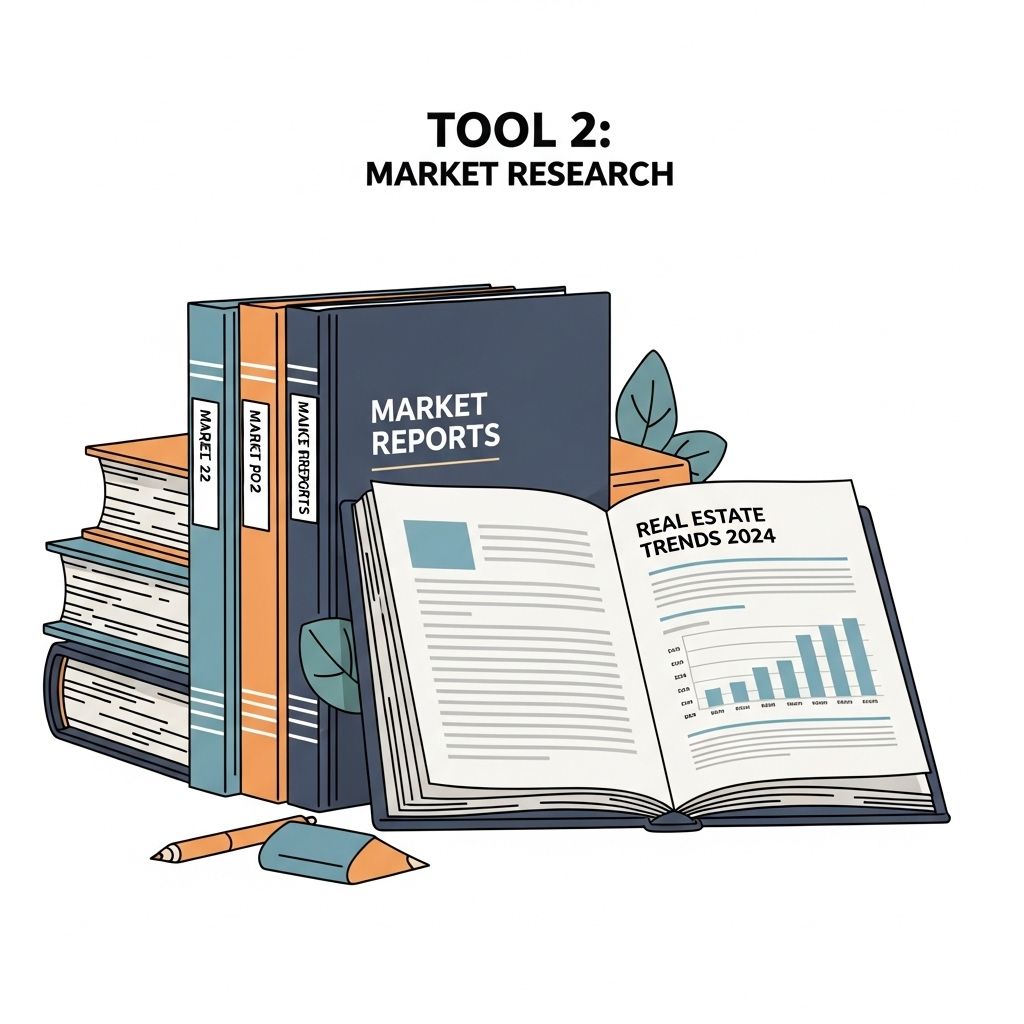
- Market reports: Analyze local housing markets with comprehensive reports based on sales data.
Zillow’s robust analytics can help real estate professionals understand the dynamics of specific neighborhoods and identify up-and-coming areas.
2. Redfin
Similar to Zillow, Redfin is another powerful tool that offers real-time data on real estate trends. It is known for its innovative features that provide a competitive edge to users.
Key Features:
- Heat Maps: Visualize price changes, inventory levels, and buyer activity across different neighborhoods.
- Data-Driven Insights: Access detailed market trends, including housing supply and demand, days on market, and pricing strategies.
- Redfin Estimate: Receive a personalized home valuation based on comparable sales in your area.
Redfin’s emphasis on technology makes it a favorite amongst agents looking to optimize their strategies with data-backed insights.
3. Realtor.com
Realtor.com is another comprehensive platform providing data and analytics specifically tailored for real estate professionals. It offers detailed information about properties, neighborhoods, and markets.
Key Features:
- Interactive Market Reports: Generate customizable reports based on specific geographic areas.
- Insights on Market Conditions: Real-time statistics on housing supply, prices, and market forecasts.
- Neighborhood Insights: Discover demographic data, school ratings, and local amenities to understand community trends.
By utilizing Realtor.com, real estate professionals can gain crucial insights into current market conditions, helping them tailor their strategies accordingly.
4. CoreLogic
For those who prefer a more data-centric approach, CoreLogic is a leader in property data analytics. They provide high-quality insights through advanced data models and tools.
Key Features:
- Market Insights: Access comprehensive reports on property trends, pricing, and foreclosure rates.
- Predictive Analytics: Use advanced algorithms to forecast future market trends and identify investment opportunities.
- Property Data Solutions: Leverage extensive property records and transaction data for informed decision-making.
CoreLogic is particularly useful for investors looking to understand macro trends and make strategic investment choices based on predictive insights.
5. CoStar
CoStar is an industry powerhouse in commercial real estate data. Known for its comprehensive analytics and research capabilities, it is invaluable for commercial real estate professionals.
Key Features:
- Market Research: In-depth insights into commercial property markets, including retail, office space, and industrial properties.
- Tenant and Lease Tracking: Monitor tenant activity and lease expirations to anticipate market shifts.
- Advanced Search Filters: Utilize detailed filters to pinpoint opportunities in specific sectors and regions.
CoStar’s extensive database and analytical tools can help commercial real estate professionals anticipate market trends and make data-driven decisions.
Conclusion
Staying ahead in the real estate market requires not only intuition and experience but also the right tools to analyze and interpret data. Utilizing platforms like Zillow, Redfin, Realtor.com, CoreLogic, and CoStar can significantly enhance your ability to spot real estate trends. By integrating these tools into your strategy, you can leverage data to make smarter decisions, identify investment opportunities, and ultimately drive success in your real estate endeavors.
FAQ
What are the best tools to analyze real estate trends?
Some of the best tools include Zillow, Redfin, Realtor.com, CoreLogic, and local MLS databases, all of which provide valuable insights into market trends.
How can I use Zillow to spot real estate trends?
Zillow offers market overview reports, property value trends, and neighborhood statistics that can help you identify rising or declining areas in real estate.
What features should I look for in a real estate trend analysis tool?
Look for features like data visualization, historical data analysis, neighborhood comparisons, and forecasting capabilities.
Can I use social media to track real estate trends?
Yes, platforms like Twitter and LinkedIn can provide real-time updates and insights from industry experts and real estate professionals.
How often should I check real estate trends?
It’s advisable to check real estate trends regularly, ideally monthly or quarterly, to stay updated on market shifts and opportunities.
Are there any mobile apps for tracking real estate trends?
Yes, apps like Realtor.com, Zillow, and Redfin allow you to monitor real estate trends on the go, providing alerts and data at your fingertips.