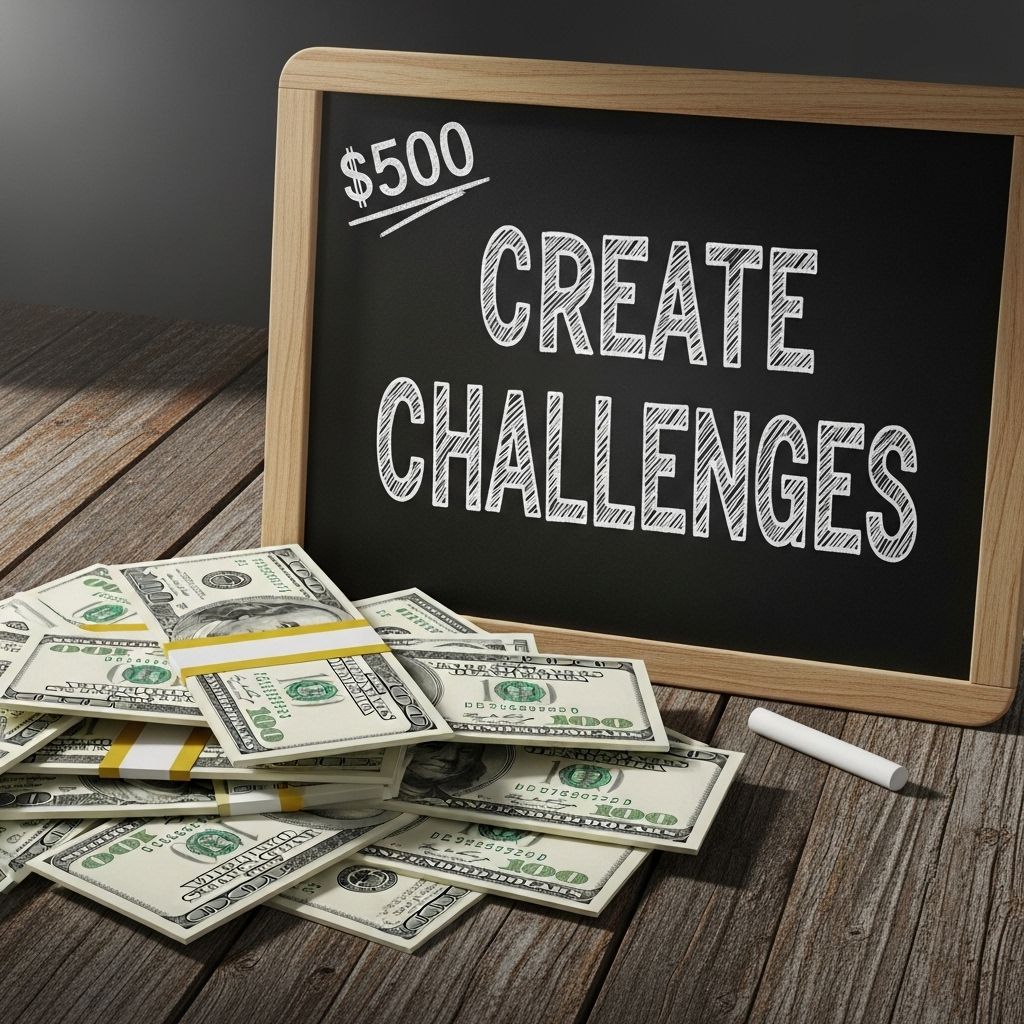
In today’s digital age, the opportunities to earn money online have expanded significantly. Among these, creating challenges can be a fun and lucrative way to engage with communities and generate income. This article explores the various platforms and methods to create challenges, how to promote them effectively, and tips to maximize your earnings.
Are you looking to make some extra cash? Earn $500 by creating engaging challenges that inspire creativity and participation. To help you with your project, check out these realistic bag mockup examples that can elevate your visual presentations.
Table of Contents
Understanding Challenges
Challenges are tasks or activities designed to encourage participation and interaction among users. They can take various forms, including fitness challenges, creative contests, educational quests, or even tech-based competitions. The beauty of challenges is that they tap into people’s competitive nature and desire for self-improvement.
Types of Challenges
- Fitness Challenges: These can include workout regimens, step count competitions, or diet plans.
- Creative Challenges: Photo challenges, writing prompts, or art contests fall into this category.
- Learning Challenges: Educational quests that encourage participants to learn new skills or concepts.
- Tech Challenges: Coding contests, hackathons, or innovation challenges in tech.
Platforms to Create Challenges
With a variety of platforms available, selecting the right one to launch your challenge is crucial. Here are some popular options:
Social Media Platforms
Social media is a powerful tool for creating and promoting challenges. Consider these platforms:
- Instagram: Utilize stories and posts to create visually engaging challenges.
- Facebook: Leverage groups and events to gather participants and foster a community.
- Twitter: Use hashtags to create trending topics around your challenge.
Dedicated Challenge Platforms
These platforms are specifically designed for challenges:
- ChallengeRunner: A platform for organizing various types of challenges, from fitness to competitions.
- MyChallenge: Focused on fitness and health-related challenges.
- Eventbrite: While mainly for events, it can be used to host paid challenges.
Steps to Create a Challenge
Creating a challenge involves several key steps:
1. Define Your Goal
Before launching, clarify what you aim to achieve. Is it community engagement, skill improvement, or revenue generation? Your goal will shape the challenge’s structure.
2. Choose a Format
Decide on the challenge’s format, length, and rules. Consider:
- Duration: One day, a week, or longer?
- Participants: Solo or teams?
- Rules: Clear guidelines to avoid confusion.
3. Set Up a Budget
Determine whether the challenge will be free or paid. If it’s a paid challenge, consider how to structure the pricing:
| Pricing Model | Description |
|---|---|
| Entry Fee | A one-time fee to participate. |
| Sponsorships | Involve brands to fund the challenge in exchange for promotion. |
| Rewards | Offer prizes for winners to incentivize participation. |
4. Promote Your Challenge
Effective promotion is critical to attract participants. Use a mix of the following strategies:
- Social Media Marketing: Share engaging content to create buzz.
- Email Marketing: Reach out to your network and potential participants.
- Influencer Collaboration: Partner with influencers to broaden your reach.
5. Engage Participants
Once your challenge begins, keep participants motivated:
- Share progress updates.
- Encourage sharing on social media.
- Host live sessions or Q&As to maintain interest.
Maximizing Earnings
To earn up to $500 or more, consider these strategies:
Offer Premium Content
Consider providing exclusive content or resources for participants who pay a fee. This can include:
- Extra tutorials or guides
- Personalized feedback
- Access to a private community
Leverage Sponsorships
Engage brands to sponsor your challenge. Brands often look for innovative ways to connect with potential customers, making this a win-win situation.
Create a Merchandising Opportunity
Sell merchandise related to your challenge. This could include:
- T-shirts
- Branded equipment
- Books or eBooks
Conclusion
Creating challenges is not just an engaging way to connect with others; it can also be a lucrative side project. By understanding your audience, leveraging the right platforms, and employing effective promotional strategies, you can turn your idea into a successful challenge that generates income. Whether you’re aiming for community building or financial gain, the potential is unlimited—get started today!
FAQ
What types of challenges can I create to earn $500?
You can create fitness challenges, creative writing contests, coding competitions, or even social media challenges. The key is to engage participants and offer appealing prizes.
How can I promote my challenges effectively?
Utilize social media platforms, email newsletters, and online communities related to your challenge theme. Engaging visuals and clear instructions will help attract participants.
Is there a specific platform I should use to host my challenges?
Consider using platforms like ChallengeRunner, Facebook Groups, or dedicated challenge websites that offer tools for tracking progress and managing participants.
What are some tips for making my challenges successful?
Set clear goals, provide regular updates to keep participants engaged, and create a supportive community. Offering incentives and recognizing achievements can also boost participation.
Can I monetize my challenges, and if so, how?
Yes, you can charge entry fees, seek sponsorships, or offer premium memberships for additional resources and support. Additionally, consider affiliate marketing or selling merchandise related to your challenge.
How long should my challenges last for best results?
Challenges can vary from a few days to several weeks. However, a duration of 2-4 weeks tends to work well, allowing enough time for participants to engage without losing interest.