

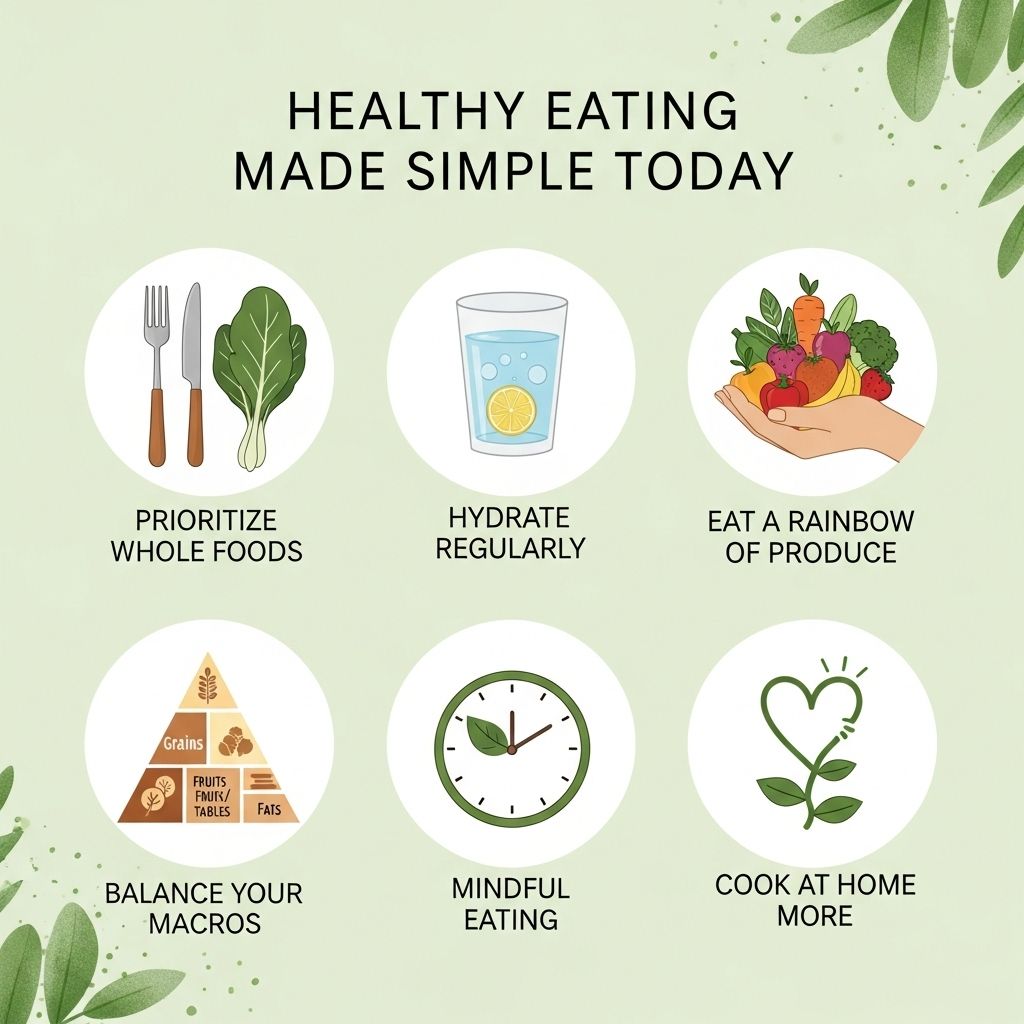
In today’s fast-paced world, maintaining a healthy diet can often feel like a daunting task. With so much information available, it’s easy to become overwhelmed by conflicting advice, fad diets, and the challenges of meal planning. However, adopting a healthy eating lifestyle doesn’t have to be complicated. By understanding the basics and making informed choices, anyone can eat well and enjoy delicious meals. This article will provide practical tips, strategies, and simple guidelines to make healthy eating accessible and enjoyable.
Making healthy eating simple starts with the basics: hydration and wholesome foods. By incorporating refreshing water into your daily routine, you not only support your body’s needs, but also set the stage for better nutrition choices. For inspiration, check out these Refreshing water mockups that can motivate you to keep hydration at the forefront of your healthy lifestyle.
Table of Contents
The Foundations of Healthy Eating
To start your journey towards healthier eating, it’s essential to understand the core principles that underpin a balanced diet. Here are the main components:
1. Balanced Macronutrients
Your body needs a mix of macronutrients to function optimally:
- Carbohydrates: Choose whole grains, fruits, and vegetables.
- Proteins: Incorporate lean meats, fish, beans, and legumes.
- Fats: Opt for healthy fats found in nuts, seeds, avocados, and olive oil.
2. Micronutrients Matter
Vitamins and minerals are crucial for overall health. Focus on getting a variety of these nutrients by:
- Eating a rainbow of fruits and vegetables.
- Including dairy or fortified alternatives for calcium and vitamin D.
- Choosing nuts and seeds for vitamin E and magnesium.
Simple Meal Planning Tips
Planning meals ahead of time can alleviate the stress of daily cooking and help you stick to healthy choices. Here’s how to simplify your meal planning:
1. Create a Weekly Menu
Spend a few minutes each week to outline your meals:
- Choose a mix of proteins, vegetables, and grains.
- Incorporate new recipes to keep things interesting.
- Plan for leftovers to save time and reduce waste.
2. Make a Grocery List
Once you have your meal plan, create a grocery list to ensure you have everything you need:
- Stick to the perimeter of the store for fresh produce, meats, and dairy.
- Limit processed foods found in the aisles.
- Don’t shop when you are hungry to avoid impulse buys.
Cooking at Home: Quick and Healthy Recipes
Cooking at home is one of the best ways to take control of your nutrition. Here are some quick and healthy recipes to get you started:
1. Quinoa Salad
A nutritious and filling option packed with protein.
| Ingredient | Amount |
|---|---|
| Quinoa | 1 cup (uncooked) |
| Cucumber | 1, diced |
| Tomato | 1, diced |
| Feta cheese | 1/2 cup |
| Olive oil | 2 tbsp |
| Lemon juice | 1 tbsp |
Instructions: Cook quinoa as per package instructions. Mix all ingredients in a bowl and serve cold.
2. Stir-Fried Vegetables and Tofu
This dish is quick to prepare and is full of flavor.
- 1 block of firm tofu, cubed
- 2 cups mixed vegetables (bell peppers, broccoli, carrots)
- 2 tablespoons soy sauce
- 1 tablespoon sesame oil
Instructions: Heat sesame oil in a pan, add tofu and cook until golden. Add vegetables and soy sauce, stirring until cooked.
Healthy Snacking Ideas
Snacking can easily derail your healthy eating efforts if you reach for processed snacks. Here are some wholesome options:
- Hummus with carrot sticks
- Greek yogurt with berries
- Apple slices with almond butter
- Nuts and seeds mix
The Importance of Hydration
Water is an often-overlooked component of a healthy diet. Staying hydrated is crucial for:
- Maintaining energy levels
- Supporting digestion
- Promoting healthy skin
Make it a habit to drink water throughout the day, aiming for at least 8 cups (64 oz), or more if you’re active.
Incorporating Exercise for Overall Health
While healthy eating is vital, combining it with regular physical activity enhances the benefits:
- Cardiovascular exercise: Aim for at least 150 minutes of moderate aerobic activity per week.
- Strength training: Include resistance exercises at least two days a week.
- Flexibility: Stretch regularly to maintain mobility.
Staying Motivated
It can be challenging to stay on track with healthy eating. Here are some tips to help you remain motivated:
- Set realistic goals and celebrate small achievements.
- Find a community or support group.
- Keep a food journal to track your progress.
Conclusion
Embracing healthy eating is a journey that requires patience and commitment. By simplifying your approach with meal planning, cooking at home, and making informed choices, you can create a sustainable and enjoyable eating pattern. Remember, it’s not about perfection but about making better choices consistently. Take small steps today, and you will pave the way for a healthier tomorrow.
FAQ
What are some easy healthy eating tips?
Incorporate more fruits and vegetables into your meals, choose whole grains, and opt for lean proteins. Planning your meals ahead of time can also simplify healthy eating.
How can I meal prep for healthy eating?
Start by selecting a day to prepare your meals for the week. Cook in bulk, portion out meals in containers, and store them in the fridge or freezer for easy access.
What are some healthy snack options?
Consider snacks like raw vegetables with hummus, Greek yogurt with fruit, or a handful of nuts. These options are nutritious and can keep you satisfied between meals.
How can I make healthier choices when dining out?
Look for meals that are grilled or baked rather than fried, ask for dressings on the side, and choose water or unsweetened beverages instead of sugary drinks.
What role do portion sizes play in healthy eating?
Understanding portion sizes helps you manage calorie intake. Use smaller plates, read nutrition labels, and listen to your body’s hunger cues to avoid overeating.
Can I still enjoy treats while eating healthy?
Yes! Moderation is key. Allow yourself occasional treats to satisfy cravings while maintaining a balanced diet overall.