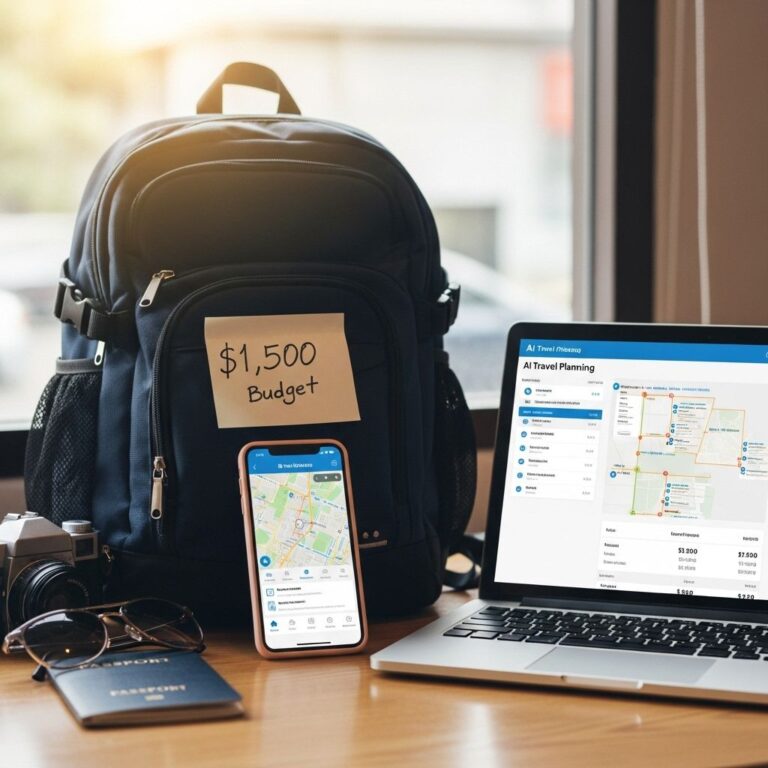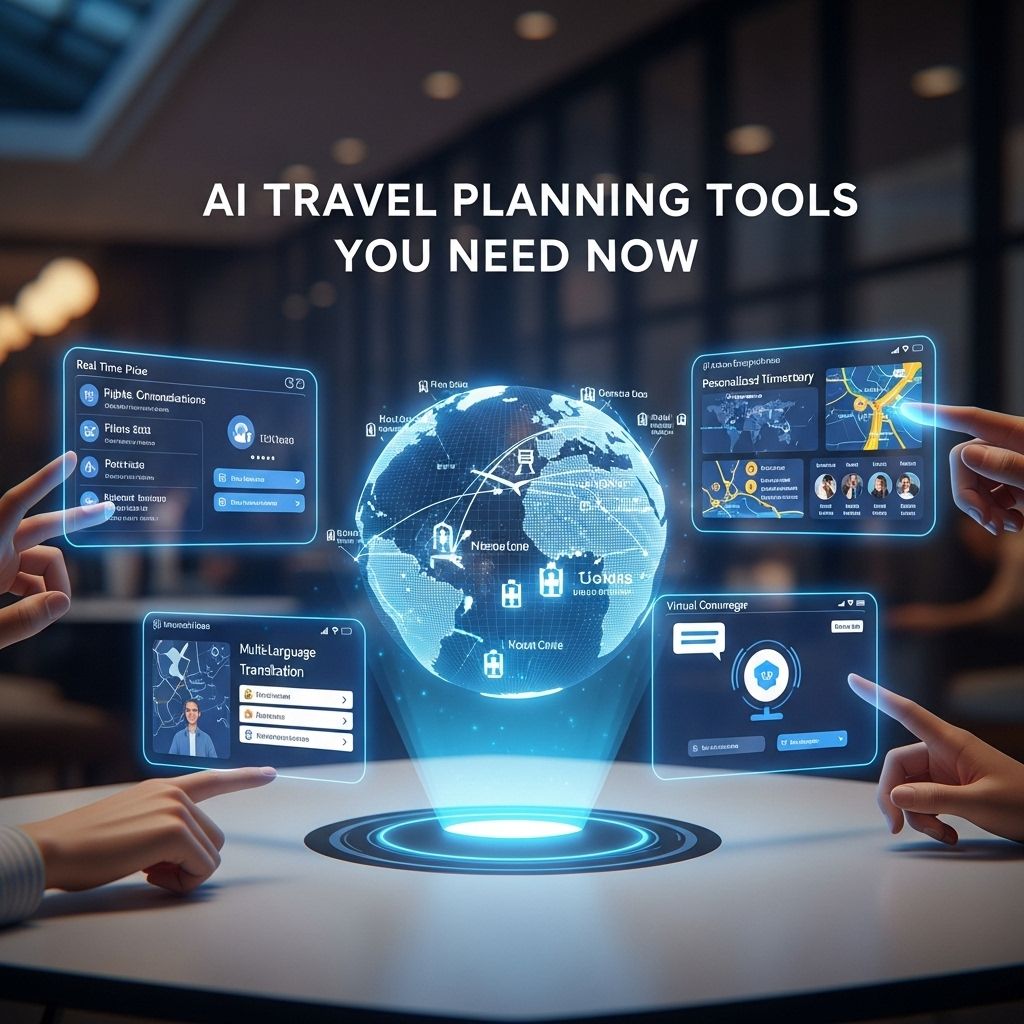
Traveling has always been an exhilarating experience, but with the advent of technology, particularly artificial intelligence (AI), planning a trip has become smoother and more efficient. Gone are the days of scouring countless websites for flights, accommodations, and activities. Today, AI travel planning tools can do the heavy lifting, allowing travelers to focus on the excitement of their upcoming adventures. In this article, we will explore the top AI-driven tools that are revolutionizing the travel planning process.
As we navigate the complexities of travel in 2023, leveraging essential AI travel planning tools can enhance our journey, optimizing everything from itinerary creation to accommodation selection. With innovations constantly emerging, it’s crucial to stay informed about the latest resources that streamline the planning process. For creative travelers, incorporating aesthetically pleasing elements like realistic bag mockup examples can also add a unique flair to your travel preparations.
Table of Contents
Understanding AI in Travel Planning
AI technology has permeated various sectors, and travel is no exception. From personalized recommendations to smart itineraries, AI is making travel planning a breeze. Here are some key areas where AI is making a significant impact:
- Data Analysis: AI can analyze vast amounts of data to provide insights about destinations, prices, and travel trends.
- Personalization: Travel tools can customize recommendations based on user preferences, past trips, and even personal interactions.
- Automation: Routine tasks such as booking flights and accommodations can be automated, saving time and effort.
Top AI Travel Planning Tools
Here are some cutting-edge AI travel planning tools that can enhance your travel experience:
1. Hopper
Hopper is an AI-powered mobile app that predicts flight and hotel prices using historical data. It alerts users when it’s the best time to buy, ensuring that travelers get the best deals possible.
Key Features:
- Price predictions: Hopper can forecast prices up to a year in advance.
- Watchlist: Users can track specific flights and receive notifications when prices drop.
- Flexible date options: It suggests the cheapest days to fly.
2. Kayak
Kayak is another popular travel search engine that utilizes AI to help users find the best travel deals. Its AI-powered assistant, Kayak Trip Huddle, allows friends to collaborate on trip choices.
Key Features:
- Travel search engine: Search for flights, hotels, and rental cars simultaneously.
- Trip Huddle: A collaborative tool that helps groups vote on travel options.
- Price alerts: Users can set alerts for specific searches.
3. Google Travel
Google Travel combines various Google services to help plan trips seamlessly. With AI, it tailors suggestions based on travel history and preferences.
Key Features:
- Itinerary management: Automatically organizes itineraries from your Gmail.
- Destination insights: Provides information on popular attractions, restaurants, and activities.
- Personalized travel suggestions: Tailors recommendations based on user interests.
Benefits of Using AI Travel Planning Tools
While traditional travel planning methods can be tedious, AI travel tools offer numerous benefits:
1. Time-Saving
AI can sift through a vast amount of data quickly, providing users with options in seconds.
2. Cost-Effective
By predicting price changes and suggesting the best booking times, travelers can save significantly on costs.
3. Enhanced Personalization
AI tools can analyze user behavior and preferences to offer tailored travel experiences.
Key Considerations When Using AI Travel Tools
While AI travel planning tools can be incredibly useful, it’s important to keep a few considerations in mind:
1. Data Privacy
When using AI-powered tools, be mindful of the data you share. Always review the privacy policy and ensure your information is handled securely.
2. Over-Reliance on Technology
While AI can provide valuable insights, it’s essential to balance its recommendations with personal judgment and flexibility.
Combining AI Tools with Traditional Methods
AI tools can drastically enhance the travel planning experience, but combining them with traditional planning methods can lead to even better outcomes. Here’s how:
1. Use AI for Research
Leverage AI tools for initial research, gathering flight and accommodation options, and destination insights.
2. Personalize Your Itinerary
Use the suggestions from AI tools as a base and then customize the itinerary based on your interests and travel style.
3. Stay Open to Changes
Travel plans can change unexpectedly. Be flexible, and allow room for spontaneous adventures, even if you have a well-planned itinerary.
Conclusion
The integration of AI in travel planning is transforming how travelers approach their journeys. Tools like Hopper, Kayak, and Google Travel provide invaluable assistance, enabling users to save time and money while enjoying personalized experiences. As technology continues to evolve, relying on AI for travel planning will only become more intuitive and efficient. Embrace these tools to make your next travel adventure as seamless as possible.
FAQ
What are AI travel planning tools?
AI travel planning tools are digital applications that utilize artificial intelligence to help users plan their trips, including itinerary creation, accommodation booking, and activity suggestions based on user preferences.
How do AI travel planning tools work?
These tools analyze vast amounts of data, including user input, travel trends, and destination information, to provide personalized recommendations and streamline the travel planning process.
What are the benefits of using AI travel planning tools?
Benefits include time-saving, personalized itineraries, cost-effectiveness through price comparisons, and access to real-time updates on travel conditions.
Can AI travel planning tools help with last-minute travel plans?
Yes, many AI travel planning tools are designed to provide quick solutions for last-minute trips, offering flexible options for flights, accommodations, and activities.
Are AI travel planning tools suitable for all types of travelers?
Absolutely! AI travel planning tools cater to various types of travelers, including solo adventurers, families, and business travelers, by offering tailored experiences based on individual needs.
How do I choose the best AI travel planning tool for my needs?
Consider factors such as user interface, features offered, customer reviews, and whether the tool aligns with your specific travel preferences and goals.