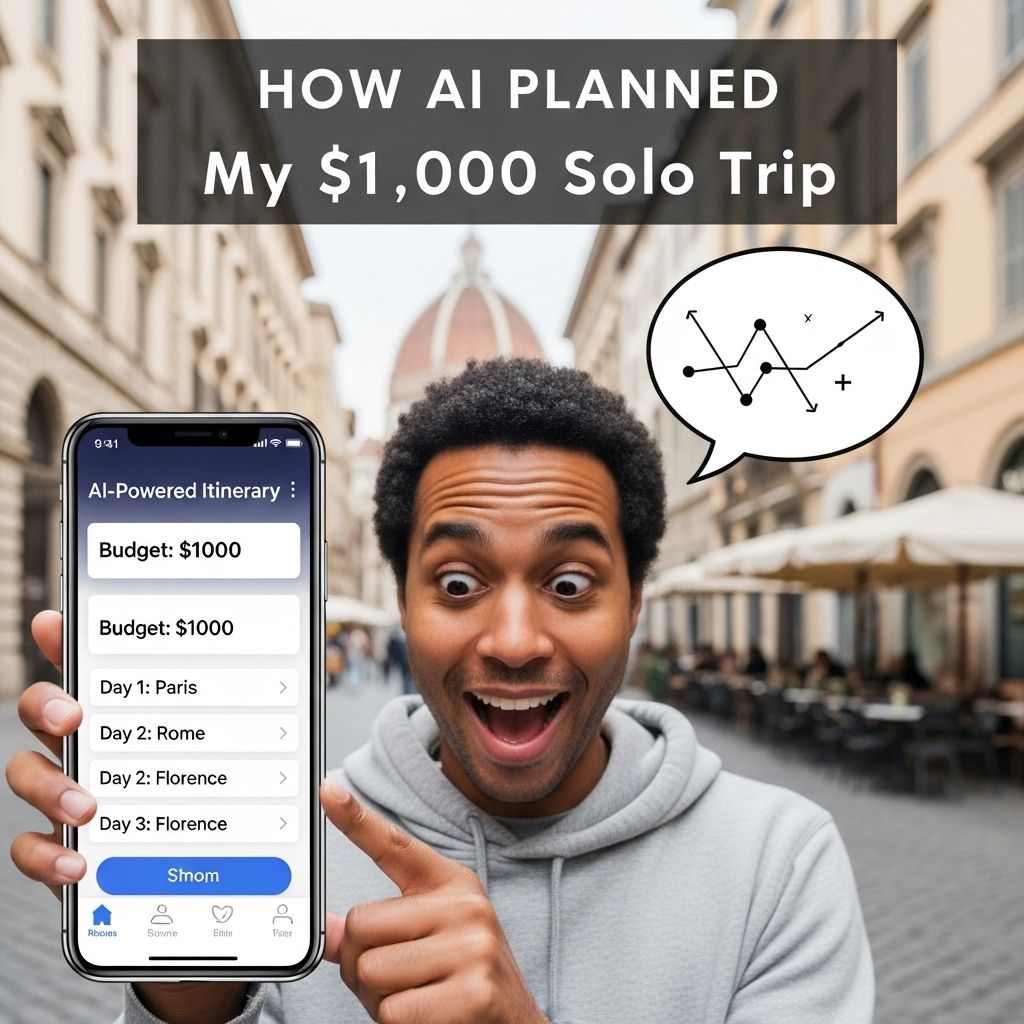
Embarking on a solo trip can be both exhilarating and daunting. With a budget of $1,000, the prospect of planning an entire itinerary might seem overwhelming. However, thanks to advancements in artificial intelligence (AI), the process can be streamlined and made efficient. AI can analyze vast amounts of data, optimizing travel routes, accommodation options, and even activities based on preferences and budget limitations. In this article, we delve into how AI meticulously crafted a personal travel plan, ensuring an unforgettable experience while staying within budget.
Planning my $1,000 solo trip was a breeze, thanks to AI’s innovative tools. With a few simple inputs, I received tailored itineraries, budget breakdowns, and even suggestions for unique experiences that fit my travel style. For instance, I discovered realistic bag mockup examples that helped me envision how my packing would look.
Table of Contents
The Benefits of Using AI in Travel Planning
Planning a trip traditionally involves hours of research, comparing prices, and reading reviews. With AI, travelers can significantly reduce the time and effort spent on planning. Here are some benefits:
- Personalization: AI can tailor travel itineraries based on personal preferences, past travel experiences, and current trends.
- Cost Efficiency: Leveraging AI can uncover hidden deals and discounts that may be missed during manual searches.
- Real-Time Updates: AI tools can provide real-time data on flight changes, weather updates, and local recommendations.
- Data Analytics: AI can analyze historical data to predict pricing trends and suggest the best times to book.
Setting Up the AI for Trip Planning
To harness the power of AI for planning the solo trip, the first step is to use a travel planning application or platform that offers AI features. Here’s how to get started:
Choosing the Right AI Tool
Several platforms utilize AI to help with travel planning. Here are some popular options:
| Tool | Features |
|---|---|
| Google Flights | Price tracking, flexible date search, and flight suggestions based on preferences. |
| Skyscanner | Searches multiple airlines, offers price alerts, and provides travel inspiration. |
| Couchsurfing | Connects travelers with locals for free accommodation and cultural exchange. |
| TripIt | Organizes travel plans in one place and updates in real-time. |
Inputting Preferences
Once the tool is chosen, inputting personal preferences is crucial. Here are some common parameters to consider:
- Travel dates.
- Destination(s).
- Budget constraints.
- Interests (e.g., nature, culture, gastronomy).
- Preferred mode of transport.
Building the Itinerary
With AI analyzing the preferences, the next step is to craft a comprehensive itinerary. The AI-generated plan should include:
Day-by-Day Breakdown
The AI can create a detailed schedule for each day of the trip. Here’s how a sample itinerary might look:
Day 1: Arrival
Arrive at the destination, check into accommodation, and explore local restaurants.
Day 2: Cultural Sites
Visit top cultural attractions using a pre-arranged itinerary based on distance and travel time.
Day 3: Outdoor Activities
Engage in outdoor adventures tailored to preferences, such as hiking or cycling.
Day 4: Local Cuisine
Try cooking classes or food tours to immerse in the local culture.
Day 5: Departure
Wrap up with some last-minute shopping or sightseeing before heading home.
Budgeting for the Trip
Staying within a $1,000 budget means careful monitoring of expenses. AI tools can help track costs in real-time, ensuring that no area is overspent. A sample budget breakdown might look like this:
| Category | Budget ($) |
|---|---|
| Flights | 300 |
| Accommodation | 200 |
| Food | 150 |
| Activities | 200 |
| Transportation | 100 |
Finding Accommodations
AI excels in finding suitable accommodations based on the traveler’s profile. When searching for a place to stay, consider the following:
Types of Accommodation
Here are some accommodation options that AI can evaluate:
- Hotels
- Hostels
- Airbnb rentals
- Bed and Breakfasts
Key Factors to Consider
AI can help you filter options based on:
- Price range.
- Location proximity to attractions.
- User ratings and reviews.
- Amenities (Wi-Fi, breakfast, etc.).
Activities and Experiences
Once accommodations are secured, the next focus area is activities. AI can suggest both popular and off-the-beaten-path experiences tailored to interests. Here’s how to evaluate activities:
Recommended Experiences
Consider activities like:
- Guided city tours.
- Workshops (crafting, cooking, etc.).
- Adventure sports (zip-lining, kayaking).
- Cultural events (festivals, local concerts).
Booking Activities
AI can automate bookings and often provide discounts for early reservations. Utilize tools like:
- Viator for excursions.
- Eventbrite for local events.
- GetYourGuide for unique local experiences.
Traveling Smart with AI
During the trip, continue leveraging AI for a smoother experience. Here are some tips:
Real-Time Assistance
Use AI-powered apps to navigate and discover nearby attractions. Apps like:
- Google Maps for navigation.
- Yelp for restaurant reviews.
- Travel Planner for itinerary adjustments.
Language Translation
Language barriers can be overcome with AI translation tools like Google Translate, which can help communicate in foreign languages seamlessly.
Reflections and Future Planning
After the trip, reflecting on experiences can help enhance future travel plans. AI can analyze feedback and suggest improvements or new destinations based on experiences. Here’s how to keep the cycle going:
- Document experiences with travel journals or blogs.
- Use social media to share insights and tips.
- Engage with travel forums for community feedback.
Conclusion
With AI’s ability to analyze preferences, optimize routes, and suggest cost-effective options, planning a solo trip can be both efficient and enjoyable. As technology continues to evolve, the travel planning experience will only become more user-friendly, allowing travelers to focus on what truly matters – creating memories.
FAQ
How can AI help in planning a solo trip?
AI can analyze your preferences, suggest destinations, create itineraries, and find the best deals on flights and accommodations.
What are the benefits of using AI for travel planning?
Using AI for travel planning saves time, provides personalized recommendations, and can help you discover unique experiences tailored to your interests.
Can AI assist with budgeting for my solo trip?
Yes, AI tools can help you create a budget by estimating costs for flights, lodging, activities, and meals based on your travel preferences.
Are there specific AI tools for solo travelers?
Yes, there are several AI-driven apps and websites designed specifically for solo travelers, offering personalized itineraries and safety tips.
How does AI enhance the travel experience during the trip?
AI can provide real-time updates on travel conditions, suggest activities based on your location, and assist with language translation, enhancing your overall travel experience.