In the rapidly evolving world of cryptocurrency, yield farming has emerged as a lucrative strategy for investors looking to maximize their returns. By leveraging DeFi platforms, users can lend or stake their assets to earn additional cryptocurrency rewards. Yet, success in yield farming requires an understanding of various protocols, risks, and strategies. This article delves into the secrets of yield farming to help you boost your crypto income effectively.
Table of Contents
Understanding Yield Farming
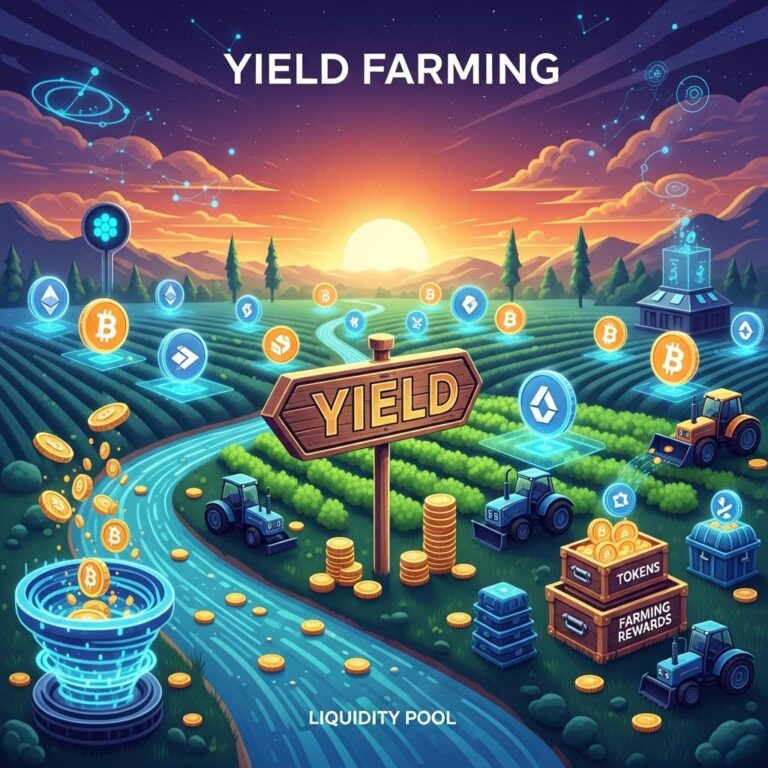
Yield farming refers to the practice of earning rewards with cryptocurrency holdings. It typically involves lending, staking, or providing liquidity to decentralized finance (DeFi) protocols. Here’s how it works:
- Users lock their crypto assets in a smart contract, allowing the protocol to use their funds.
- In return, users earn interest or additional tokens based on the amount and duration of their investment.
- Yield farming can also involve liquidity pools, where users provide liquidity to decentralized exchanges (DEX) in exchange for transaction fees.
Key Concepts in Yield Farming
Before diving into yield farming, it’s essential to grasp several key concepts:
- APY (Annual Percentage Yield): This indicates how much you can earn through farming over a year. It varies widely across different platforms.
- Liquidity Pools: These are funds locked in smart contracts that facilitate trading on DEXs. Users share the fees generated from these trades.
- Impermanent Loss: This occurs when the price of your staked assets changes compared to when you deposited them, potentially leading to losses.
Choosing the Right Platform
Not all DeFi platforms are created equal. Here are some criteria to consider when selecting a yield farming platform:
| Criteria | Details |
|---|---|
| Security | Investigate the security measures employed by the platform. Look for audits and community trust. |
| Fees | Review transaction fees, withdrawal fees, and any hidden costs that may affect your returns. |
| Supported Assets | Ensure the platform supports the crypto assets you wish to farm. |
| Liquidity | A higher liquidity pool is generally more stable and less susceptible to significant price fluctuations. |
| Community and Support | A strong community and responsive support can enhance your experience and provide assistance when needed. |
Popular Yield Farming Strategies
Once you have chosen a suitable platform, you can explore various yield farming strategies:
1. Single Asset Staking
This involves staking a single cryptocurrency in a protocol to earn rewards. It’s less complicated and carries lower risk compared to liquidity pairs.
2. Liquidity Providing
By supplying liquidity to a DEX, you earn a share of the trading fees and potentially the platform’s governance tokens. However, be wary of impermanent loss.
3. Flash Loans
Flash loans allow users to borrow assets without collateral, provided they are repaid within a single transaction. This strategy is advanced and suitable for experienced users.
4. Multi-Token Strategies
Comprising multiple tokens can diversify risk while maximizing returns. However, it requires deeper analysis and understanding of different protocols.
Risks in Yield Farming
Every investment comes with risks, and yield farming is no exception. Here are the key risks to consider:
- Smart Contract Vulnerabilities: Bugs or exploits in the code can lead to significant losses.
- Market Volatility: The crypto market is notoriously volatile. Price drops can affect your overall returns.
- Liquidity Risks: In cases of sudden market movements, you may not be able to withdraw your funds easily.
- Regulatory Risks: Changes in regulations can impact the viability of certain farming platforms.
Maximizing Your Yield Farming Returns
To get the most out of your yield farming efforts, consider these tips:
- Diversify Your Portfolio: Don’t put all your eggs in one basket. Spread your investments across multiple platforms and cryptocurrencies.
- Stay Informed: Follow industry news and updates. Changes in protocol or market conditions may create new opportunities.
- Utilize Tools: Use yield farming calculators and monitoring tools to keep track of your investments and returns.
- Participate in Governance: Engage with the platform’s community and participate in governance decisions to influence outcomes.
Conclusion
Yield farming presents a compelling opportunity for crypto enthusiasts to enhance their income. By understanding the mechanics, choosing the right platforms, and employing effective strategies, you can navigate this complex landscape successfully. Remember to stay informed, weigh the risks, and continuously optimize your approach to yield farming. As the DeFi ecosystem continues to evolve, those who adapt and innovate will reap the greatest rewards.
FAQ
What is yield farming in cryptocurrency?
Yield farming is a strategy used in decentralized finance (DeFi) where users lend or stake their cryptocurrencies to earn rewards or interest, typically in the form of additional tokens.
How can I start yield farming?
To start yield farming, you need to choose a DeFi platform, create a cryptocurrency wallet, acquire the desired tokens, and then deposit or stake them in the platform to earn rewards.
What are the risks associated with yield farming?
The risks of yield farming include smart contract vulnerabilities, impermanent loss, liquidity issues, and market volatility that can affect the value of your staked assets.
What are the best platforms for yield farming?
Some of the best platforms for yield farming include Uniswap, Aave, Compound, and SushiSwap, each offering different rewards and risk profiles.
Can yield farming guarantee profits?
No, yield farming does not guarantee profits; returns can vary widely based on market conditions, the specific platform’s performance, and the assets involved.
What are liquidity pools in yield farming?
Liquidity pools are collections of funds locked in a smart contract that provide liquidity for trading on decentralized exchanges, allowing yield farmers to earn fees and rewards for supplying capital.