In today’s rapidly evolving digital landscape, understanding your audience is more crucial than ever. With the vast amount of content being produced daily, knowing who your audience is, what they want, and how they engage with your material can make or break your marketing strategy. This article explores five powerful tools that can help you dive deep into audience insights, refine your approach, and ultimately enhance your content’s effectiveness.
Understanding your audience is crucial for effective communication and engagement. By utilizing powerful tools, you can gain insights into their preferences and behaviors, allowing you to tailor your approach accordingly. For instance, visual assets like best bag mockup designs can help you see how your ideas resonate with your target demographic.
Table of Contents
1. Google Analytics
Google Analytics is a free tool that provides detailed statistics about website traffic and traffic sources. With its robust analytics capabilities, users can track audience behavior, demographics, and interests.
Key Features:
- Real-Time Data: Monitor live user activity on your site.
- Audience Segmentation: Break down users by age, gender, location, and device.
- User Flow Visualization: Understand how users navigate through your site.
By utilizing Google Analytics, marketers can tailor their content strategies based on real user data, ensuring that they meet their audience’s needs effectively.
2. Facebook Audience Insights
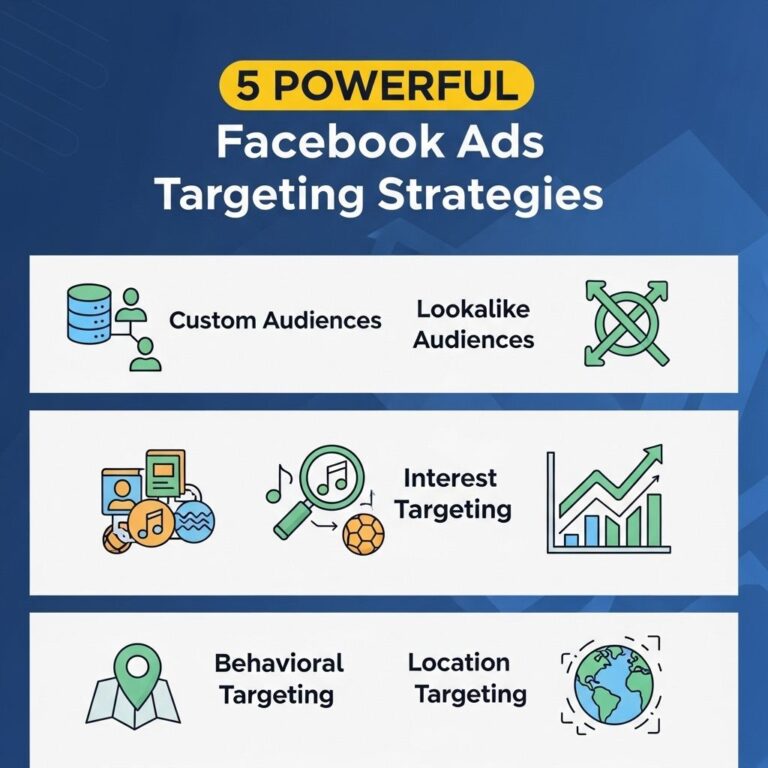
Facebook Audience Insights is a powerful tool for understanding the demographics and interests of your potential audience on the world’s largest social media platform. This can be especially useful for businesses looking to refine their Facebook marketing strategies.
Key Features:
- Demographic Breakdown: Explore insights on location, age, gender, and relationship status.
- Interests and Behaviors: Discover what your audience is interested in and the activities they engage in.
- Page Likes: Understand what other Facebook pages your audience engages with, providing further targeting opportunities.
Facebook Audience Insights allows businesses to create custom audiences based on detailed profiles, enabling more targeted and effective advertising campaigns.
3. HubSpot
HubSpot is an all-in-one marketing platform that provides comprehensive data analytics, customer relationship management (CRM), and content management tools. With HubSpot, users can gain insightful data on their audience’s behavior, preferences, and interactions with various campaigns.
Key Features:
- Segmentation: Create segmented lists based on user behavior, demographics, and more.
- Lead Tracking: Monitor user engagement through forms, emails, and website visits.
- Attribution Reporting: Understand which marketing channels are most effective in driving conversions.
The ability to integrate various marketing efforts into one platform makes HubSpot an invaluable tool for any marketer seeking to understand their audience better.
4. SEMrush
SEMrush is primarily known for its keyword research and SEO capabilities, but it also offers fantastic tools for audience analysis. Marketers can use SEMrush to understand competitor strategies and gain insights into audience behavior in their niche.
Key Features:
- Traffic Analytics: Analyze competitors’ traffic sources and user engagement.
- Keyword Research: Discover keywords that resonate with your target audience.
- Content Audit: Review existing content and assess its performance with your audience.
By understanding what works for competitors, brands can adapt their strategies to attract and engage their audience more effectively.
5. SurveyMonkey
While analytics tools provide data-driven insights, direct feedback from your audience can offer qualitative information that numbers can’t capture. SurveyMonkey enables users to create and distribute surveys to gain valuable insights from their audience.
Key Features:
- Customizable Surveys: Design surveys that cater to your specific questions and audience.
- Data Analysis Tools: Analyze responses easily with built-in tools.
- Integration Capability: Connect with other platforms like Google Sheets, Mailchimp, and more.
Best Practices for Using Surveys:
- Keep surveys concise to encourage completion.
- Use a mix of multiple-choice and open-ended questions for richer data.
- Incentivize participation to increase response rates.
Surveys can provide direct insights about customer satisfaction, preferences, and feedback on products or services.
Conclusion
Understanding your audience is a multifaceted endeavor that requires leveraging various tools and strategies. From data analysis platforms like Google Analytics and SEMrush to empirical feedback tools like SurveyMonkey, the options are vast. By utilizing these powerful tools, marketers can not only enhance their content and outreach strategies but also foster deeper connections with their audience, driving engagement and conversions in a competitive digital environment.
Ultimately, the key to successful audience engagement lies in a combination of quantitative data and qualitative feedback. By continuously assessing and adapting strategies based on audience insights, brands can create more targeted, relevant, and impactful content.
FAQ
What are the top tools to analyze audience insights?
Some of the top tools include Google Analytics, Facebook Audience Insights, HubSpot, SurveyMonkey, and BuzzSumo.
How can Google Analytics help me understand my audience?
Google Analytics provides detailed insights into user behavior, demographics, interests, and engagement, allowing you to tailor your content effectively.
What is Facebook Audience Insights and how can it benefit my marketing strategy?
Facebook Audience Insights helps you understand your target audience on Facebook by providing data on demographics, behaviors, and purchase activity, enabling more effective ad targeting.
Why should I use SurveyMonkey for audience research?
SurveyMonkey allows you to create custom surveys to gather direct feedback from your audience, helping you understand their preferences and needs.
How does BuzzSumo aid in audience analysis?
BuzzSumo helps you analyze what content performs best for your audience by tracking social shares and engagement, providing insights into their interests.
Can I use these tools for both B2B and B2C audience analysis?
Yes, these tools are versatile and can be used for analyzing both B2B and B2C audiences, helping you refine your marketing strategies regardless of your target market.