As we step into 2025, the digital marketing landscape continues to evolve at a breakneck pace, driven by technological advancements, changing consumer behaviors, and new platforms. Brands must adapt to remain competitive, and a well-defined roadmap can guide organizations through the complexities of digital marketing. This article outlines a comprehensive digital marketing roadmap, emphasizing key strategies, essential tools, and emerging trends to harness for success in the upcoming year.
As we venture into 2025, having a clear digital marketing roadmap is essential for navigating the ever-evolving landscape. This guide will outline key strategies to enhance your brand’s online presence, ensuring you’re well-prepared to adapt to new trends and technologies. Discover useful resources, like custom jar graphics, to elevate your visual marketing efforts.
Table of Contents
Understanding the Digital Marketing Ecosystem
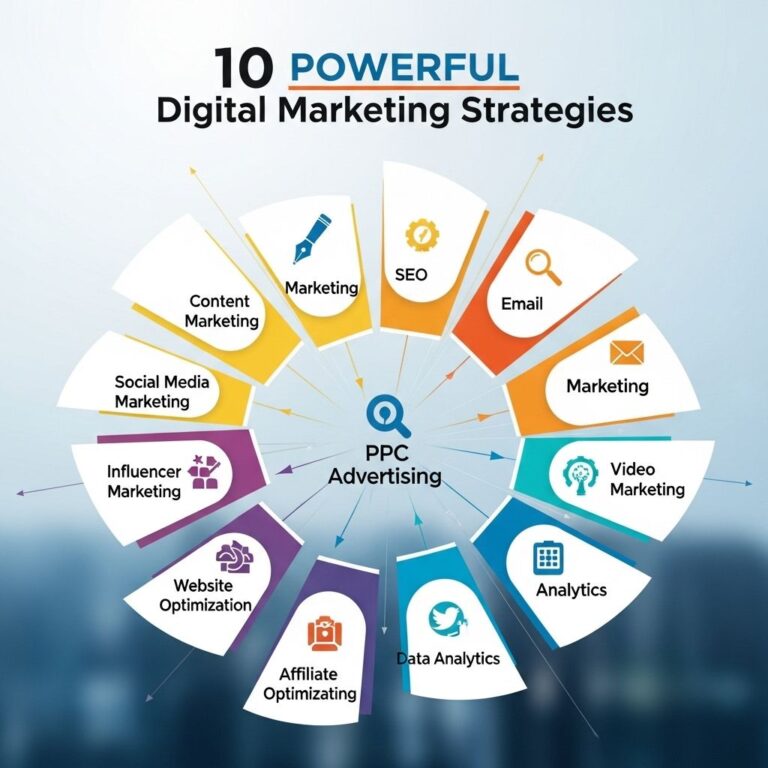
Digital marketing is more than just social media posts and email campaigns. It encompasses a wide range of strategies and channels designed to connect businesses with their target audiences. Here are the core components:
- Content Marketing: Creating valuable content to attract and engage audiences.
- SEO (Search Engine Optimization): Optimizing online content to rank higher in search engine results.
- PPC (Pay-Per-Click): Paid advertising to drive traffic and conversions.
- Social Media Marketing: Utilizing platforms to connect and engage with customers.
- Email Marketing: Direct communication with customers to build relationships and drive conversions.
- Analytics: Measuring and analyzing data to refine strategies.
Key Strategies for 2025
To thrive in the competitive digital marketing realm, businesses should adopt the following strategies:
1. Embrace AI and Automation
Artificial Intelligence (AI) and automation tools are revolutionizing digital marketing. By automating repetitive tasks, businesses can focus on more strategic initiatives. Key applications include:
- Chatbots: For customer service and engagement.
- Email Automation: Sending personalized emails based on user behavior.
- Content Creation: Using AI to generate blogs, social media posts, and more.
2. Focus on Personalization
Consumers are more likely to engage with brands that tailor their messages and offers. Implementing personalization tactics can significantly enhance customer experience. Consider these approaches:
- Utilizing data from user interactions to customize content.
- Segmenting email lists for targeted campaigns.
- Creating dynamic website content based on user preferences.
3. Invest in Video Marketing
Video content continues to dominate engagement metrics. According to recent studies, videos are expected to account for over 80% of all online traffic in 2025. Strategies to leverage video include:
- Creating how-to guides and tutorials.
- Hosting live Q&A sessions or webinars.
- Utilizing short-form video on platforms like TikTok and Instagram Reels.
Emerging Trends to Watch
Staying ahead of trends is crucial for maintaining a competitive edge. Here are some emerging trends that will shape digital marketing in 2025:
1. Voice Search Optimization
With the rise of voice-activated devices, optimizing for voice search is becoming increasingly important. Techniques include:
- Using natural language and conversational tone in content.
- Focusing on long-tail keywords.
- Answering common questions directly in content.
2. Sustainability and Ethical Marketing
Modern consumers are more conscious of the brands they support. Focusing on sustainability and ethical practices can enhance brand loyalty.
| Strategy | Example |
|---|---|
| Eco-Friendly Products | A brand that uses sustainable materials in their packaging. |
| Transparent Supply Chains | A clothing brand that shares the story behind their sourcing. |
3. Augmented Reality Experiences
Augmented Reality (AR) offers immersive experiences that can significantly enhance marketing efforts. Brands can utilize AR for:
- Virtual try-ons for retail products.
- Interactive experiences at events or in-store.
- Gamified content that encourages engagement.
Essential Tools for Digital Marketing
To effectively implement strategies and manage campaigns, leveraging the right tools is essential. Here’s a curated list of must-have tools:
Analytics Tools
Understanding data is key to refining marketing strategies. Some top analytics tools include:
- Google Analytics: Comprehensive tracking and reporting.
- Hotjar: User behavior analytics and insights.
- SEMrush: SEO and competitive analysis.
Social Media Management Tools
To streamline social media efforts, consider these tools:
- Hootsuite: Schedule and manage multiple accounts.
- Buffer: Simplified social media posting and analytics.
- Canva: Design stunning graphics for social media posts.
Email Marketing Platforms
For effective email campaigns, explore these platforms:
- Mailchimp: User-friendly email marketing tools.
- ActiveCampaign: Advanced automation for customer journeys.
- HubSpot: Comprehensive CRM and email marketing integration.
Measuring Success in Digital Marketing
To ensure the effectiveness of your digital marketing efforts, it’s vital to measure success through key performance indicators (KPIs). Some important KPIs to track include:
- Website Traffic: Monitor unique visitors and page views.
- Conversion Rate: Measure the percentage of visitors who take a desired action.
- Customer Acquisition Cost (CAC): Calculate the cost of acquiring a new customer.
- Return on Investment (ROI): Assess the profitability of marketing campaigns.
Conclusion
In 2025, digital marketing will continue to transform, presenting new opportunities and challenges for businesses. By embracing cutting-edge technology, personalizing customer experiences, and staying ahead of trends, companies can navigate this dynamic landscape successfully. The right roadmap, paired with the essential tools and strategies outlined in this guide, will ensure that businesses are well-equipped to thrive in the rapidly changing digital world.
FAQ
What is a digital marketing roadmap?
A digital marketing roadmap is a strategic plan that outlines the goals, tactics, and timeline for your digital marketing efforts, helping to guide your campaigns effectively.
Why is a digital marketing roadmap important for 2025?
In 2025, a digital marketing roadmap is crucial as it provides direction in a rapidly evolving digital landscape, ensuring that businesses can adapt to new trends and technologies.
What key components should be included in a digital marketing roadmap?
Key components include target audience analysis, content strategy, SEO plans, social media strategies, email marketing tactics, and performance metrics.
How often should I update my digital marketing roadmap?
You should update your digital marketing roadmap at least quarterly to reflect changes in market trends, customer behavior, and technological advancements.
What are the benefits of having a digital marketing roadmap?
Benefits include improved alignment of marketing efforts, better resource allocation, enhanced tracking of performance, and a clearer understanding of your marketing objectives.
Can small businesses benefit from a digital marketing roadmap?
Absolutely! A digital marketing roadmap helps small businesses prioritize their marketing efforts, optimize their budgets, and effectively reach their target audiences.