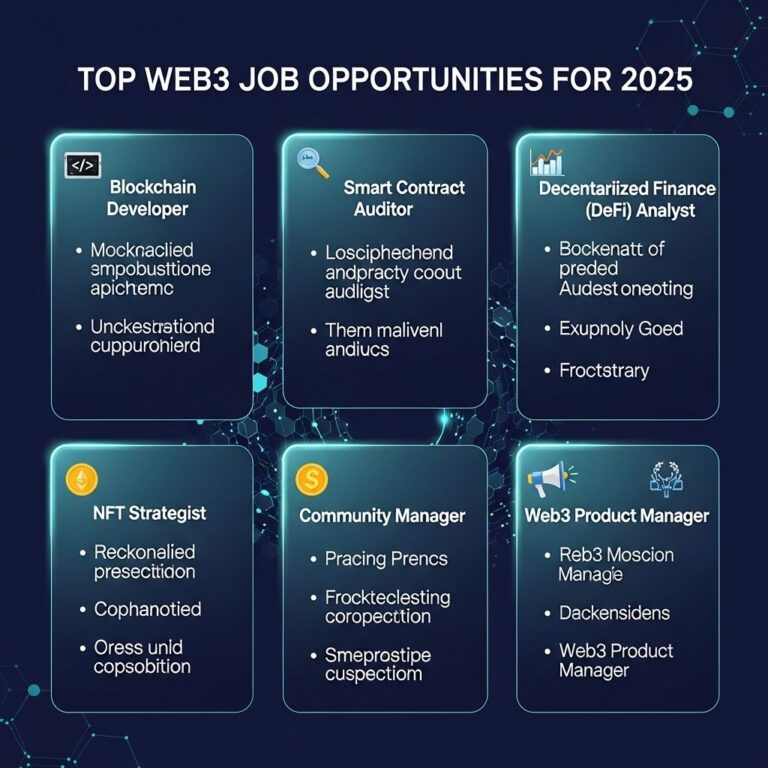
As we step into an era characterized by rapid technological advancements and a dynamic job market, crafting a career plan for 2025 becomes a paramount task for professionals and job seekers alike. A well-structured career plan not only aligns your personal ambitions with industry trends but also equips you with a strategy to navigate the evolving landscape of work. This article will guide you through the essential steps to create a comprehensive career plan designed for success in 2025 and beyond.
Table of Contents
Understanding the Importance of a Career Plan
A career plan serves as a roadmap for your professional journey. Here are some compelling reasons why having a structured career plan is crucial:
- Goal Setting: It helps you define short-term and long-term goals.
- Skill Development: Identifies the skills you need to acquire to reach your objectives.
- Adaptation to Change: Prepares you for industry shifts and technological changes.
- Increased Motivation: Keeps you focused and motivated towards achieving your career aspirations.
Current Trends Shaping the Job Market
To effectively plan for your career, it’s essential to understand the current trends influencing the job market. Here are some significant trends to consider:
1. Remote Work
The COVID-19 pandemic has accelerated the acceptance of remote work. As we move towards 2025:
- Many companies are adopting hybrid work models.
- Skills in remote collaboration and communication tools will be in high demand.
2. Technology and Automation
With advancements in AI and automation:
- Job roles will evolve, requiring upskilling in new technologies.
- Focus areas include data analysis, cybersecurity, and software development.
3. Sustainability
As businesses increasingly prioritize sustainability:
- There will be a surge in green jobs and roles in renewable energy.
- Understanding environmental regulations and sustainable practices will be essential.
Steps to Create Your Career Plan
Creating a career plan requires a structured approach. Here’s a step-by-step guide:
Step 1: Self-Assessment
Begin by evaluating your current skills, interests, and values. You can use tools such as:
- Personality assessments (e.g., Myers-Briggs Type Indicator)
- Skills inventories
Step 2: Research and Identify Opportunities
Conduct thorough research on industries that interest you. Consider:
- Emerging roles and sectors
- Potential employers and their culture
- Job market demand and salary expectations
Step 3: Set SMART Goals
Your goals should be:
| Criteria | Description |
|---|---|
| Specific | Clearly define what you want to achieve. |
| Measurable | Establish metrics to track progress. |
| Achievable | Set realistic goals based on your current situation. |
| Relevant | Ensure your goals align with your career aspirations. |
| Time-bound | Set deadlines for your goals. |
Step 4: Develop Skills
Identify the skills required for your desired roles and create a development plan. Consider:
- Online courses and certifications related to your field
- Networking opportunities for mentorship
Step 5: Create a Timeline
Outline a timeline for achieving your goals. This should include milestones and deadlines for:
- Skill acquisition
- Networking efforts
- Job applications
Step 6: Network Strategically
Building a professional network is essential. Engage in:
- Industry events and online webinars
- Social media platforms like LinkedIn
Monitoring and Adjusting Your Career Plan
Your career plan is not static; it requires regular review and adjustments. Here’s how to stay on track:
Regular Check-Ins
Schedule periodic reviews of your progress. Reflect on:
- Your achievements
- The challenges you’ve faced
Be Open to Change
Stay adaptable in the face of new opportunities or market shifts. Consider:
- Revisiting your goals
- Exploring new interests
Conclusion
Creating a career plan for 2025 is essential for navigating the complexities of the modern job market. By understanding industry trends, setting clear goals, and remaining adaptable, you can position yourself for success. Embrace the journey of continuous learning and networking, and remember that your career path is a dynamic process requiring persistence and flexibility. Start planning today to shape a rewarding future!
FAQ
What is a career plan and why is it important?
A career plan is a strategic guide that outlines your career goals and the steps needed to achieve them. It is important because it helps you stay focused, make informed decisions, and navigate your career path effectively.
How do I start creating a career plan for 2025?
Begin by assessing your skills, interests, and values. Research potential career paths that align with your findings, set specific goals, and outline actionable steps to reach those goals by 2025.
What tools can I use to create an effective career plan?
You can use various tools like career assessment tests, online career planning software, spreadsheets for tracking goals, and professional networking sites to connect with mentors in your desired field.
How often should I update my career plan?
It’s advisable to review and update your career plan at least annually or whenever you experience significant changes in your career or personal life that might affect your goals.
What are common mistakes to avoid when creating a career plan?
Common mistakes include setting vague goals, failing to research career options thoroughly, not being flexible with your plan, and neglecting to seek feedback from mentors or peers.
How can I ensure my career plan aligns with industry trends for 2025?
Stay informed about industry trends through research, networking, and attending relevant workshops or conferences. Incorporate skills and experiences that are in demand to ensure your plan is relevant.