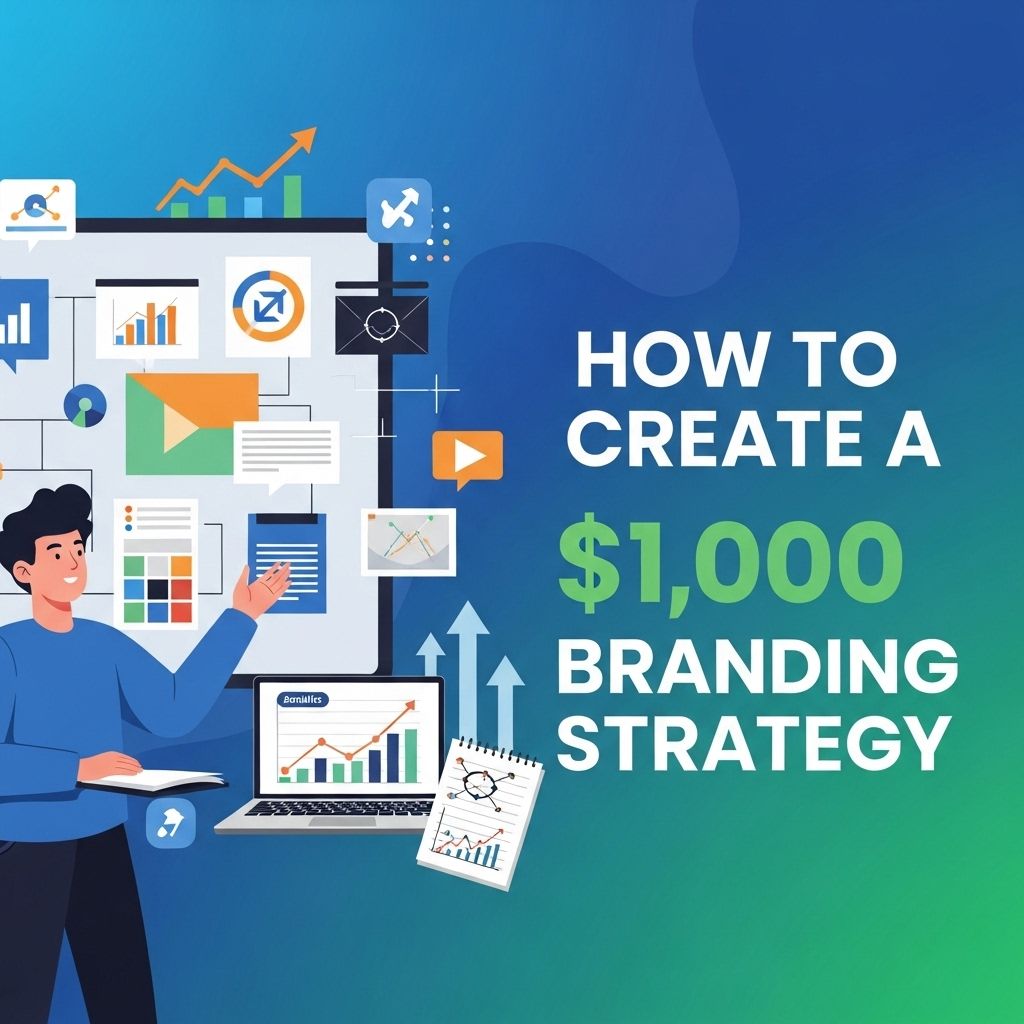
In today’s digital marketplace, branding is more crucial than ever. For startups and small businesses, having a strong brand identity can make all the difference in standing out from the competition. However, many believe that creating a branding strategy requires a hefty budget. The reality is, a well-planned branding strategy can be established for as little as $1,000. This article delves into effective and innovative strategies that can be employed to create a powerful branding presence without breaking the bank.
Creating a strong branding strategy doesn’t have to break the bank. With just $1,000, you can establish a compelling identity for your business, starting with essential elements like a professional logo. Explore options for professional logo designs that can help you make a memorable first impression.
Table of Contents
Understanding Branding
Branding is the process of creating a unique identity for your business that differentiates it from competitors. It encompasses various elements such as:
- Brand name
- Logo and visual design
- Brand voice
- Customer experience
- Online presence
Setting Your Branding Goals
Before diving into the specifics of branding strategy, it’s essential to outline your goals. Ask yourself:
- What do I want my brand to represent?
- Who is my target audience?
- What makes my product or service unique?
Clearly defined goals will provide a roadmap for your branding efforts.
Creating a Brand Identity
Your brand identity is how you communicate your brand to the world. Establishing a strong brand identity requires thoughtful consideration of various components:
Step 1: Choose a Brand Name
Your brand name should be memorable, resonate with your audience, and reflect the essence of your business. Consider the following tips:
- Keep it short and simple
- Ensure it’s easy to pronounce and spell
- Check for domain availability
Step 2: Designing Your Logo
A logo is often the first impression potential customers have of your brand. To create a compelling logo:
- Use online design tools (e.g., Canva, Adobe Spark)
- Consider hiring a freelance graphic designer
- Make sure it is versatile and scalable
Step 3: Establishing Brand Colors and Fonts
Your brand colors and fonts should be consistent across all platforms. Here’s how to choose:
- Select colors that evoke the desired emotions
- Limit your palette to three main colors
- Choose fonts that are legible and represent your brand’s personality
Developing a Brand Voice
Your brand voice is how you communicate with your audience. It should reflect your brand’s personality and connect with your target market. Here’s how to define it:
- Determine your brand personality (e.g., professional, casual, playful)
- Choose the tone of your communication (e.g., formal, friendly, assertive)
- Be consistent across all channels (social media, website, customer service)
Implementing Your Branding Strategy
Once you have established your brand identity and voice, it’s time to implement your strategy. Here are essential components to consider:
Building Your Online Presence
A robust online presence is critical for modern branding. Here’s what to do:
- Create a professional website
- Utilize social media platforms effectively
- Consider content marketing to establish authority
Engaging with Your Audience
Engagement is key to building brand loyalty. Here are some strategies:
- Regularly update social channels with quality content
- Respond to comments and messages promptly
- Host online events or webinars to connect personally
Networking and Collaborations
Connecting with others in your industry can strengthen your brand’s credibility. Consider:
- Collaborating with influencers
- Participating in industry events and seminars
- Joining local business groups or online forums
Budgeting Your Branding Strategy
With a $1,000 budget, here’s how you can allocate funds effectively:
| Item | Cost | Description |
|---|---|---|
| Brand Name Registration | $100 | Secure your business name legally. |
| Logo Design | $300 | Design a professional logo using a designer or software. |
| Website Development | $400 | Create a simple yet functional website using platforms like WordPress. |
| Social Media Setup | $100 | Create profiles on essential platforms. |
| Marketing Materials | $100 | Design business cards, brochures, and more. |
Evaluating Your Branding Strategy
After implementing your strategy, it’s crucial to evaluate its effectiveness. Here’s how:
- Track website analytics (traffic, bounce rate, conversions)
- Monitor social media engagement (likes, shares, comments)
- Gather customer feedback through surveys
Conclusion
Creating a branding strategy on a budget doesn’t have to be daunting. By following the structured approach outlined in this article, you can build a compelling brand identity that resonates with your target audience, enhances customer loyalty, and ultimately drives growth. With creativity, strategic planning, and effective execution, your $1,000 investment can yield significant returns in brand recognition and customer engagement.
FAQ
What is a branding strategy?
A branding strategy is a long-term plan that outlines how a company will build and manage its brand to achieve specific goals.
How can I create a branding strategy on a budget?
You can create a branding strategy on a budget by focusing on key elements such as target audience research, unique value propositions, and leveraging free or low-cost marketing tools.
What are the essential components of a $1,000 branding strategy?
Essential components include market research, logo design, brand messaging, social media presence, and basic website setup.
Why is branding important for small businesses?
Branding is crucial for small businesses as it helps differentiate them from competitors, builds customer loyalty, and enhances recognition in the marketplace.
How can I measure the effectiveness of my branding strategy?
You can measure the effectiveness of your branding strategy by tracking metrics such as brand awareness, customer engagement, and sales growth.
What tools can help me execute my branding strategy for $1,000?
Tools like Canva for design, Hootsuite for social media management, and Google Analytics for tracking can help execute your branding strategy effectively within a limited budget.