In the digital age, the opportunity to generate passive income through online courses has never been more accessible. With a wealth of knowledge at our fingertips and platforms that facilitate learning, creating an online course can be a lucrative venture. In this article, we will explore ten innovative e-course ideas that have the potential to earn you $1,000 or more each month. From programming to arts, these courses cater to a wide range of interests and skills.
Table of Contents
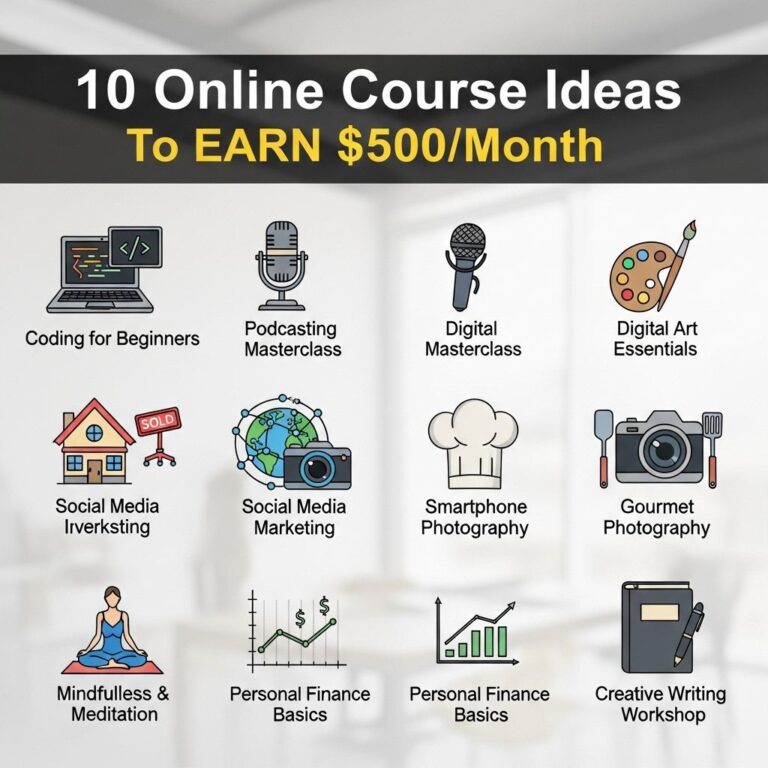
1. Programming for Beginners
As technology continues to evolve, the demand for programming skills is on the rise. An introductory course covering the basics of popular programming languages like Python, JavaScript, or Ruby can attract a wide audience. Here’s how to structure your course:
Course Outline:
- Understanding Programming Languages
- Setting Up Your Development Environment
- Basic Syntax and Variables
- Control Structures: Loops and Conditionals
- Functions and Modules
- Final Project: Build a Simple Application
2. Digital Marketing Strategies
With businesses increasingly moving online, knowledge in digital marketing is invaluable. This course could cover SEO, social media marketing, email marketing, and analytics.
Key Components:
- Introduction to Digital Marketing
- Creating a Marketing Plan
- Search Engine Optimization Techniques
- Social Media Marketing Strategies
- Email Campaigns That Convert
- Analyzing Your Marketing Efforts
3. Financial Literacy for Young Adults
Teaching young adults how to manage their finances is an essential skill. This course could cover budgeting, saving, investing, and understanding credit.
Course Modules:
| Module | Description |
|---|---|
| Understanding Money | Basics of currency, saving, and spending. |
| Budgeting 101 | Creating and maintaining a personal budget. |
| Investing Basics | Introduction to stocks, bonds, and mutual funds. |
| Managing Debt | Understanding credit cards and loans. |
| Future Planning | Setting financial goals and retirement planning. |
4. Graphic Design for Non-Designers
Many people want to learn graphic design to create their own marketing materials, social media posts, or personal projects. This course can be tailored for beginners without any prior design experience.
Course Highlights:
- Understanding Design Principles
- Introduction to Graphic Design Software (e.g., Canva, Adobe Suite)
- Creating Effective Visuals
- Branding Yourself or Your Business
- Portfolio Creation Techniques
5. Mindfulness and Meditation
As stress levels rise in the modern world, mindfulness and meditation have become essential tools for mental wellness. This course could guide participants through various techniques.
Course Structure:
- Introduction to Mindfulness
- Breathing Techniques for Stress Relief
- Guided Meditation Sessions
- Creating a Personal Practice
- Incorporating Mindfulness in Daily Life
6. Video Editing Made Easy
With the rise of content creation on platforms like YouTube, learning video editing can be a valuable skill. This course could cover the essentials of video editing software.
Curriculum Overview:
- Choosing the Right Video Editing Software
- Importing and Organizing Footage
- Basic Editing Techniques (Cuts, Transitions)
- Adding Audio and Effects
- Exporting Your Final Project
7. Photography Basics for Aspiring Photographers
This course could help beginners understand the art of photography, from camera settings to composition and editing techniques.
Course Components:
- Understanding Your Camera
- Composition Techniques
- Lighting Considerations
- Post-Processing Basics
- Building Your Photography Portfolio
8. Home Cooking for Beginners
With many people looking to improve their cooking skills, a course that covers basic recipes, cooking techniques, and meal planning can be quite appealing.
Topics to Cover:
- Essential Cooking Techniques
- Meal Prep Strategies
- Quick and Simple Recipes
- Understanding Ingredients
- Healthy Eating Tips
9. Public Speaking and Communication Skills
Many individuals struggle with public speaking. A course that offers practical tips and techniques can significantly boost their confidence and skills.
Course Modules:
- Overcoming Fear of Public Speaking
- Structuring Your Presentation
- Engaging Your Audience
- Using Visual Aids Effectively
- Handling Q&A Sessions
10. Crafting a Successful YouTube Channel
With millions of users on YouTube, this course could guide aspiring content creators on how to start and grow their channel, covering content creation, branding, and monetization strategies.
Course Outline:
- Finding Your Niche
- Content Planning and Filming Techniques
- Editing and Post-Production
- Building Your Audience
- Monetizing Your Channel
Conclusion
Creating an online course can be a rewarding venture, both personally and financially. By choosing a topic that resonates with your expertise and audience needs, you can build a sustainable income stream. The ten e-course ideas outlined above offer a diverse range of opportunities, making it easier for anyone to take the plunge into the world of online education.
FAQ
What are some profitable e-course ideas?
Profitable e-course ideas include digital marketing strategies, personal finance management, coding for beginners, wellness and yoga practices, and social media branding.
How can I create an e-course that generates income?
To create an e-course that generates income, identify a niche with demand, structure the course content effectively, use engaging multimedia, and market it through social media and email campaigns.
What platforms can I use to sell my e-course?
You can use platforms like Udemy, Teachable, Thinkific, and Kajabi to create and sell your e-course.
How much should I charge for my e-course?
The pricing of your e-course can vary, but typically ranges from $50 to $500 depending on the value, length, and depth of content provided.
What marketing strategies can I use to promote my e-course?
Effective marketing strategies for promoting your e-course include content marketing, social media advertising, offering free webinars, and building an email list.
How can I ensure my e-course is successful?
To ensure your e-course is successful, focus on providing value, gather feedback from early users, continuously update content, and build a strong community around your course.